The magnesium membrane is strong and resorbable at the same time. It can be trimmed to size and shaped for treating individual bone defects. Because the NOVAMag® membrane is completely resorbed within a few months after implantation, a second surgical intervention to remove the membrane is not necessary
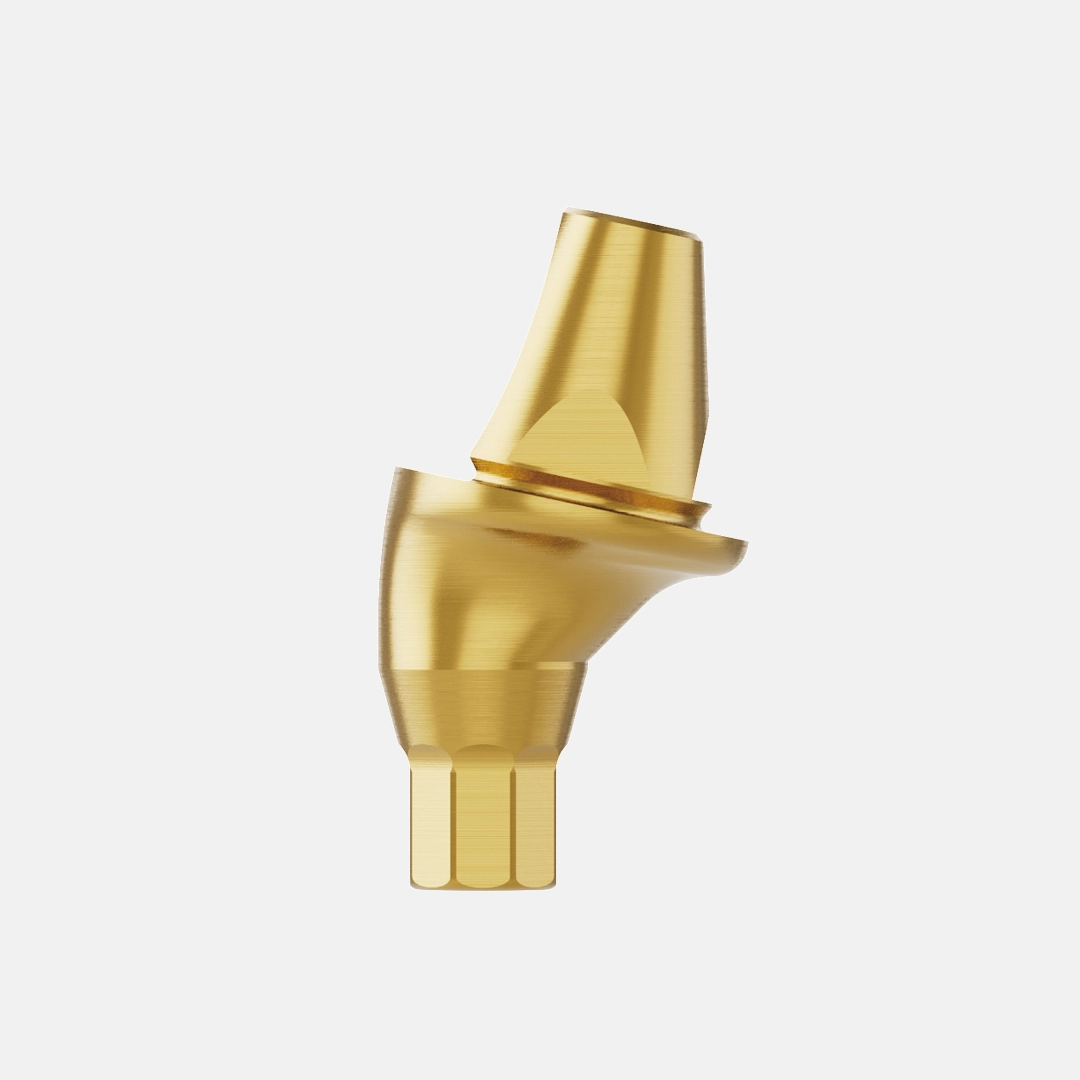
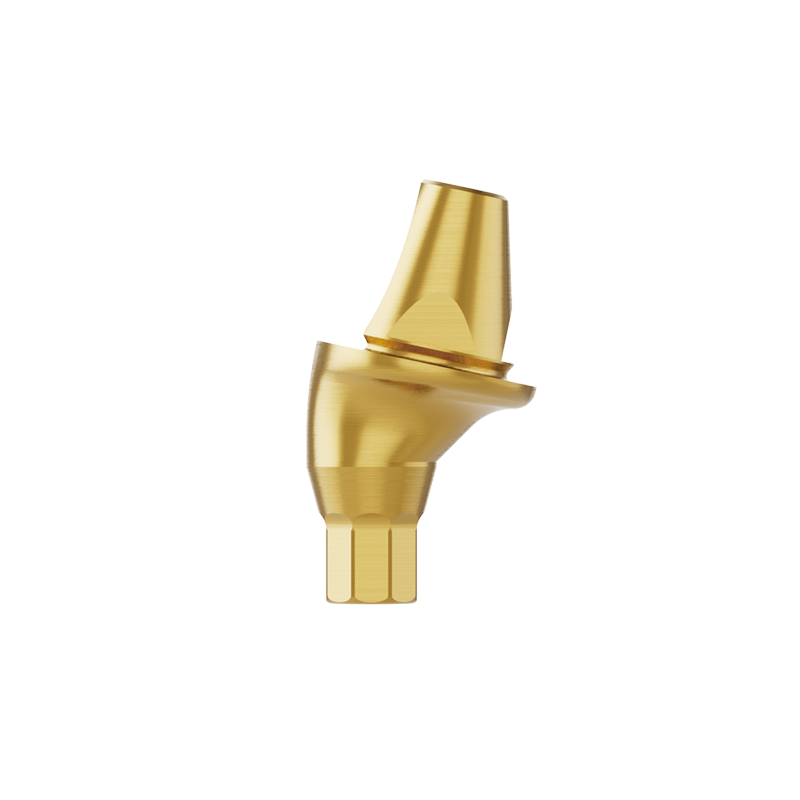
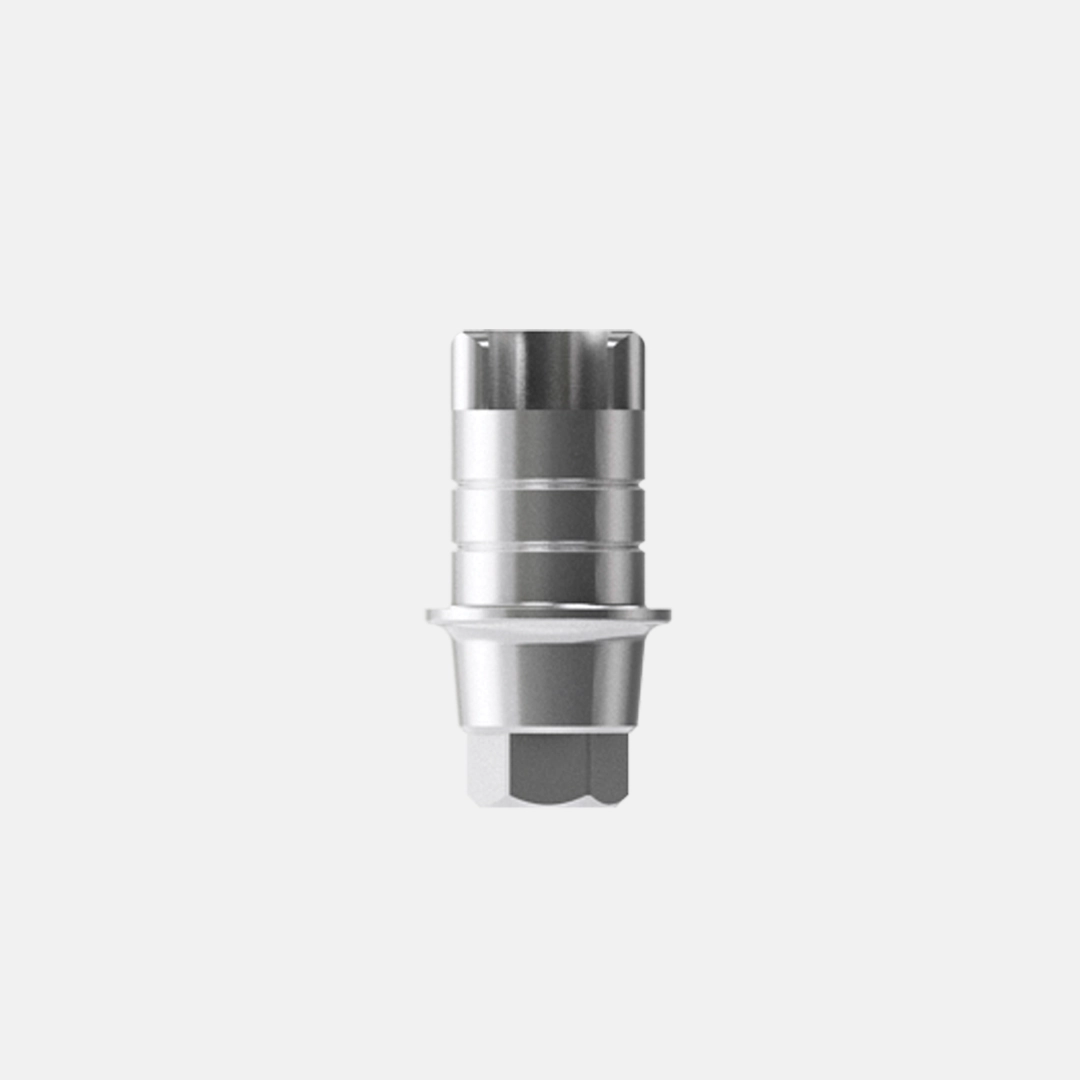
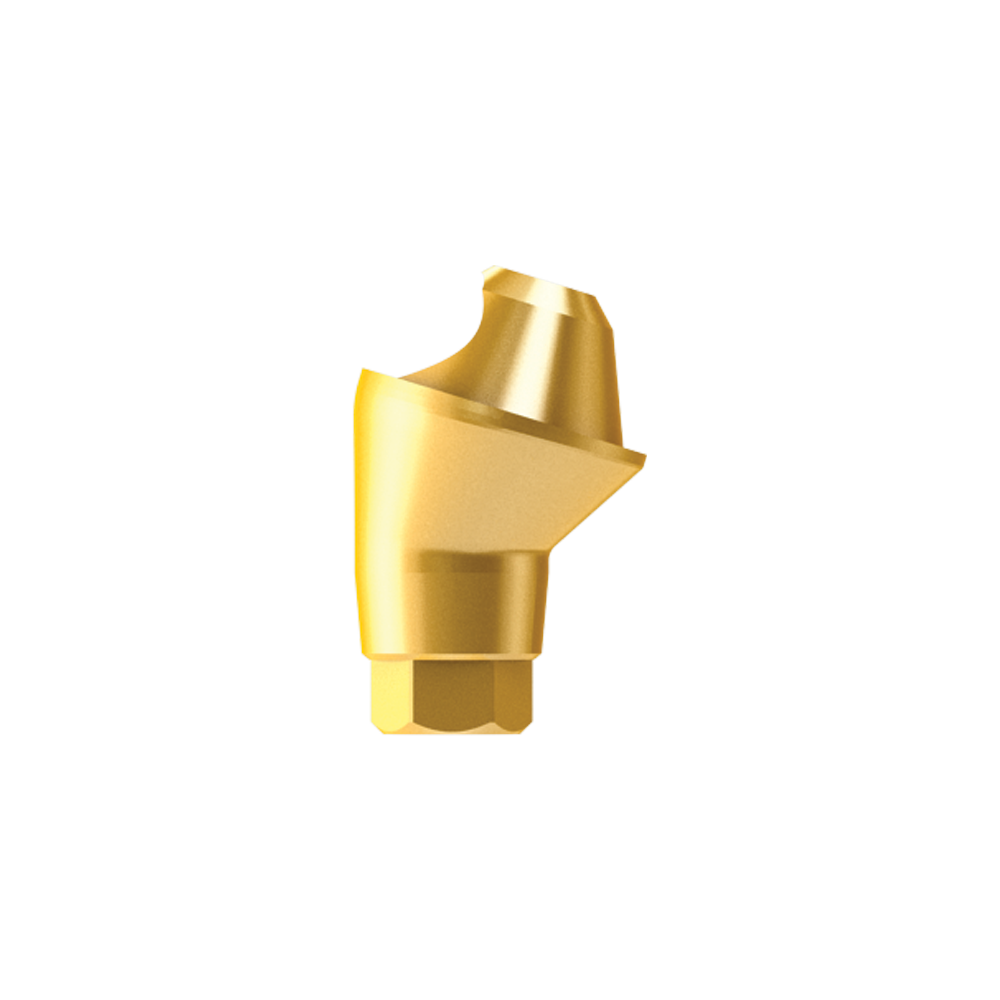
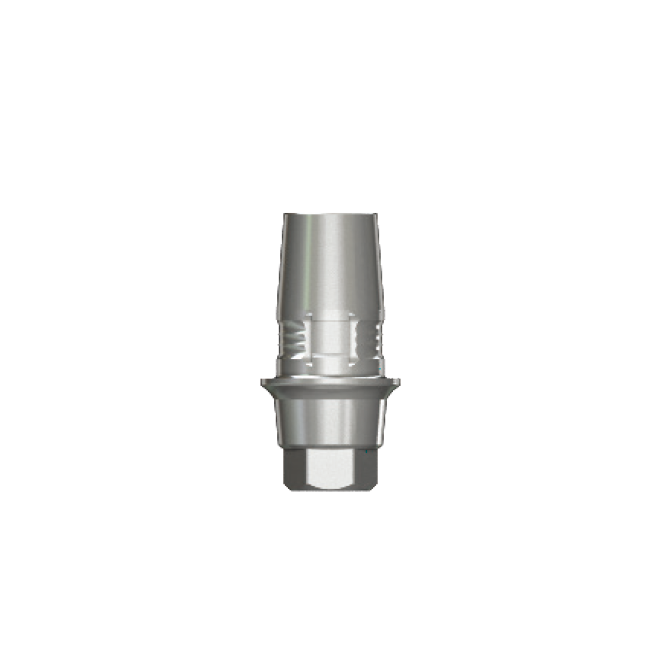
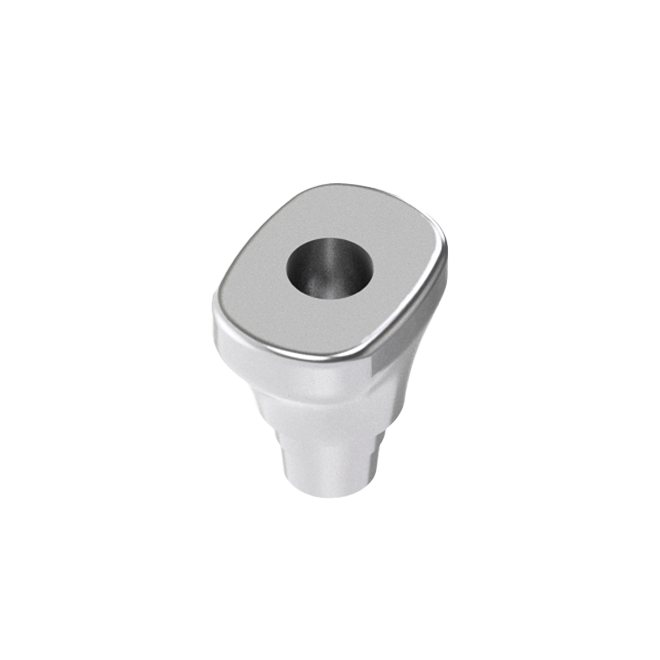
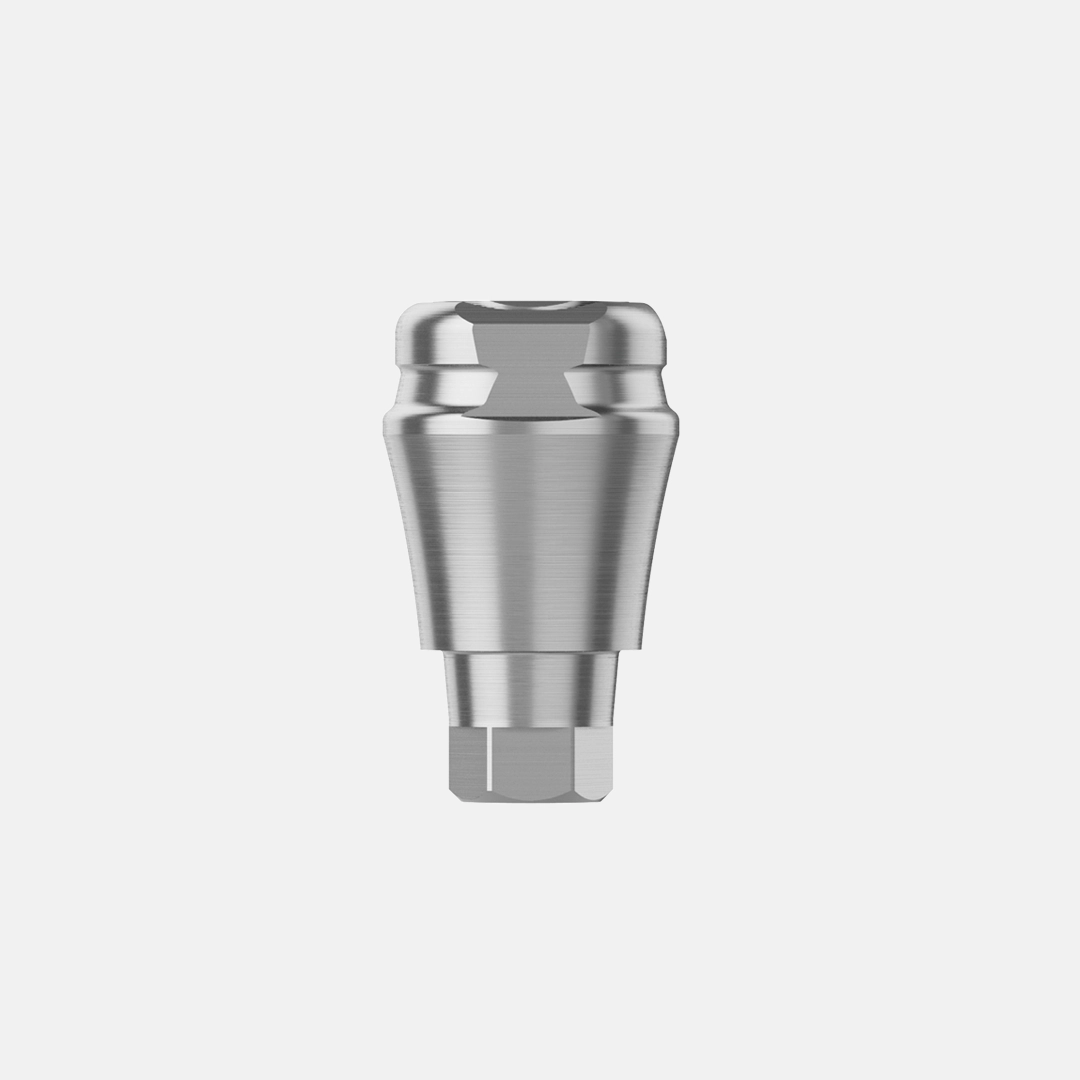
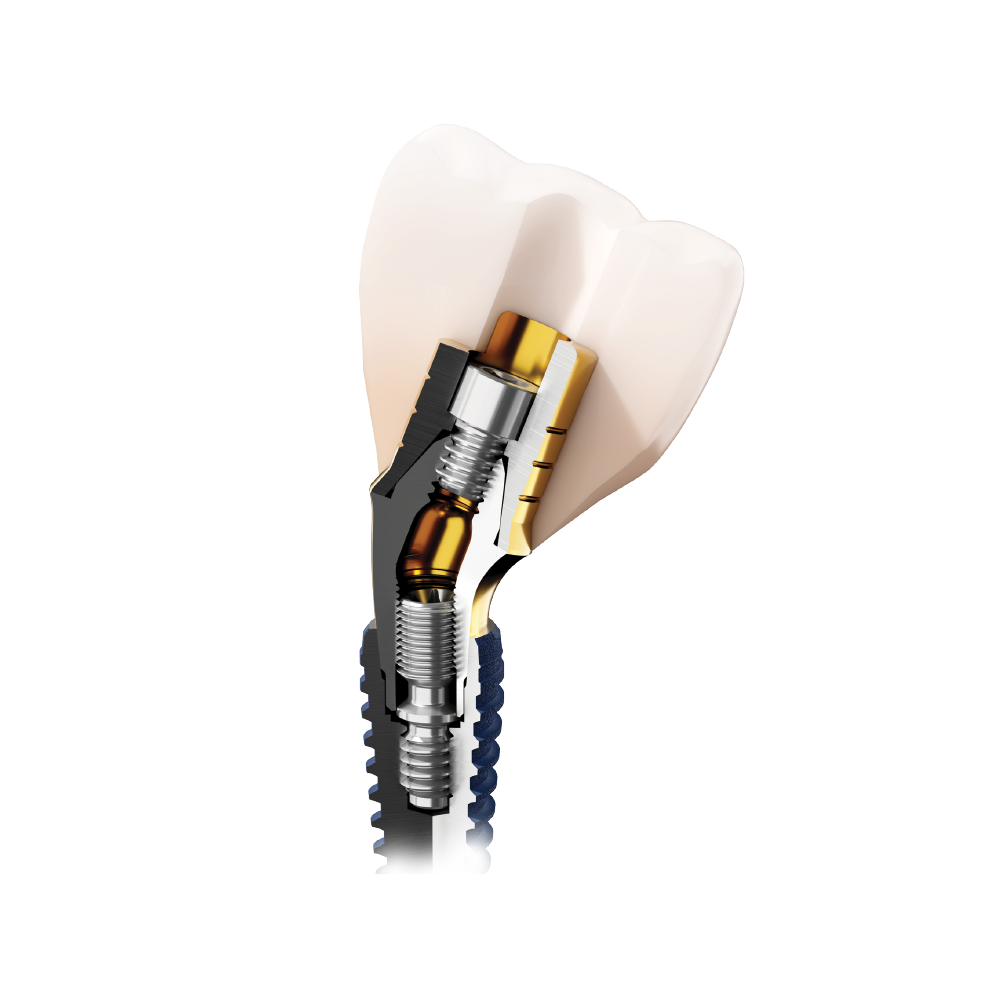
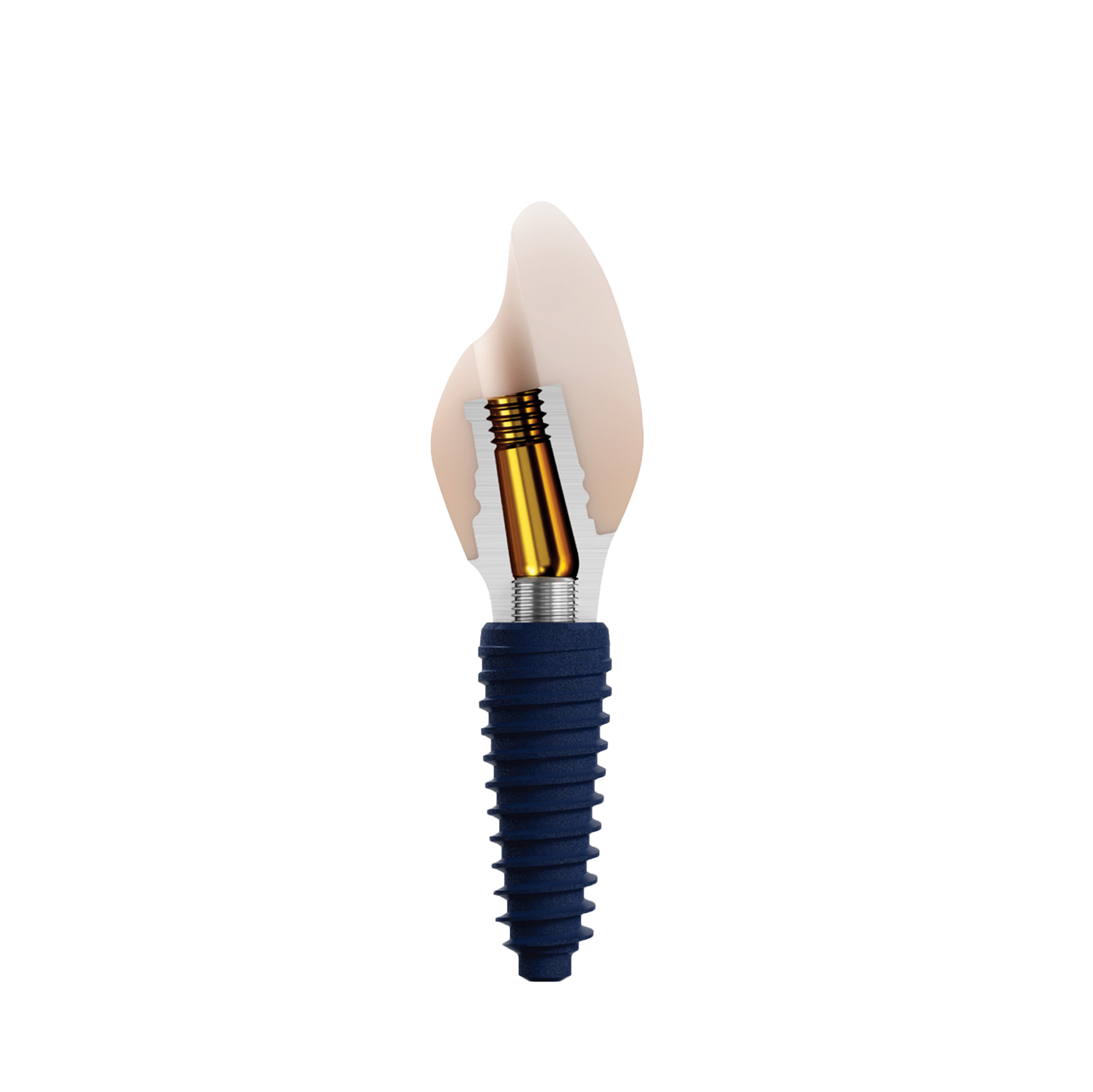
Designed to simplify and strengthen full-arch restorative workflows. It offers a wide range of angled abutments that enable direct crown connection, reducing chair time and improving fabrication efficiency. Its structure is engineered for optimal stress distribution and fracture prevention, supported by FEA analysis, and it accommodates multiple restorative techniques without the need for intraoral or extra-oral cementation.
Optimised mechanical stability – geometry designed for improved stress distribution and fracture prevention Higher torque capability – supports torque values up to 35 Ncm Multiple angulations – available in 0°, 12°, 20° and 30° options Direct crown connection – supports a truly cementless restorative workflow Simplified temporisation – Click-On connection enables easier attachment and removal of temporary crowns Digital workflow ready – designed for precise scanning and prosthetic fabrication
×
AXA Benefits
→ Reduces chair time through a simplified full-arch prosthetic workflow
→ Helps minimise mechanical complications through optimised geometry and screw design
→ Provides greater restorative flexibility across different implant positions and clinical situations
×
Indications
→ Full-arch and full-mouth implant restorations
→ Immediate loading protocols, including molar-zone placement
→ Cases requiring angulation correction and optimised prosthetic access
→ Cementless screw-retained restorations
×
Technical Approach
Enhanced abutment geometry – AXA's increased contact area and optimised geometry allow higher torque values while helping minimise fracture risk. 45° prosthetic screw – The redesigned screw supports torque values of up to 35 Ncm, helping reduce the risk of loosening and fracture over time. Ti-base-free framework – Eliminating the Ti base allows greater use of zirconia within the prosthetic framework, helping reduce one of the common mechanical complications in full-arch restorations. Optimised scanning – The scan bar design helps minimise scanning errors and supports more precise framework fabrication.
×
Meet with Your Local Representative
Be the first to know about our discount offers, events and giveaways.