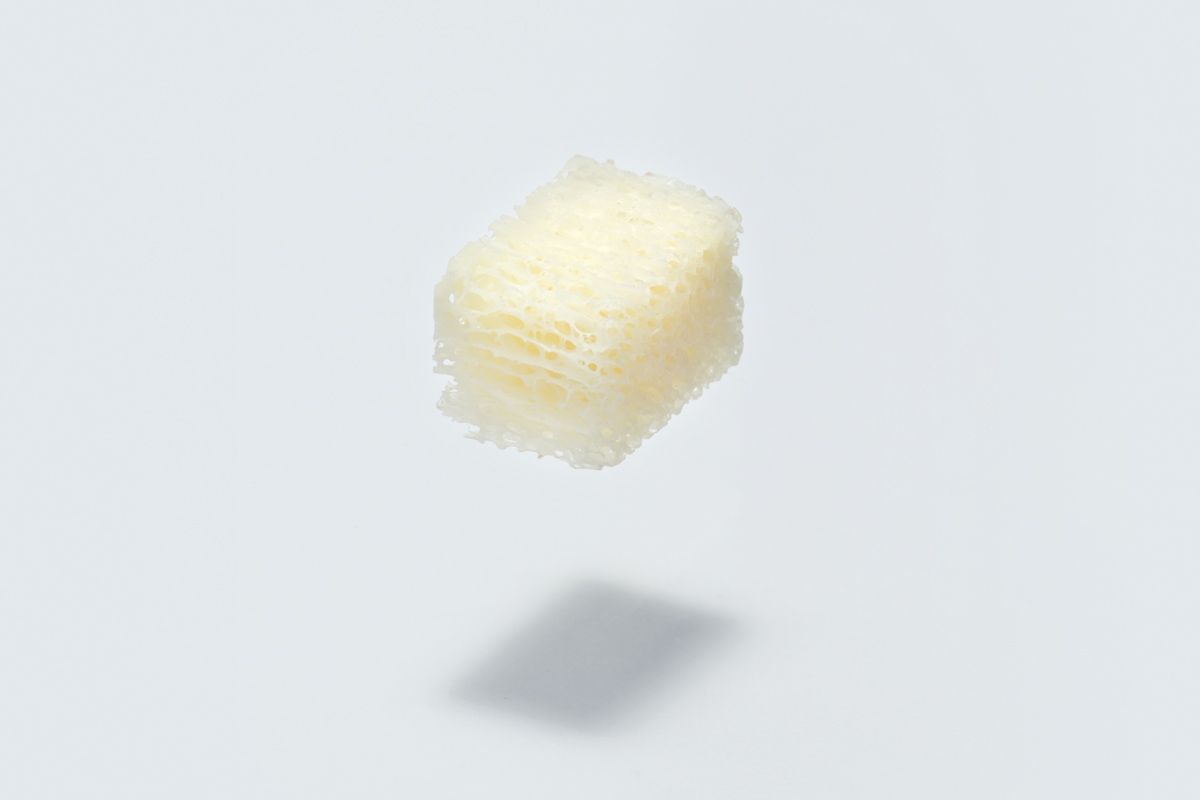
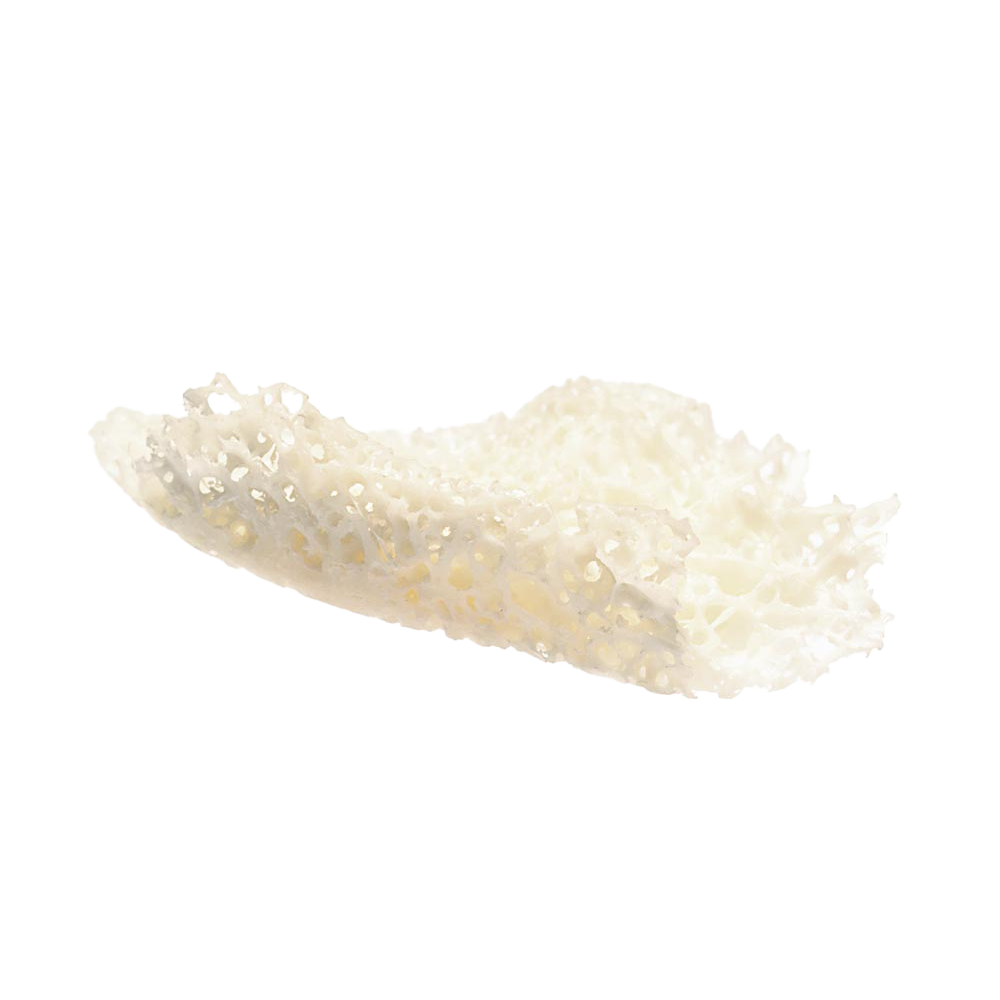
maxgraft® granules are allograft bone substitute from human donor bone, processed by the Cells+Tissuebank Austria with a special cleaning process (Allotec® process) and available in cancellous and cortico-cancellous form. Due to its preserved natural bone structure and collagen content, it serves as a scaffold for natural bone regeneration and has the potential of complete remodeling into patients’ own bone 1,2.
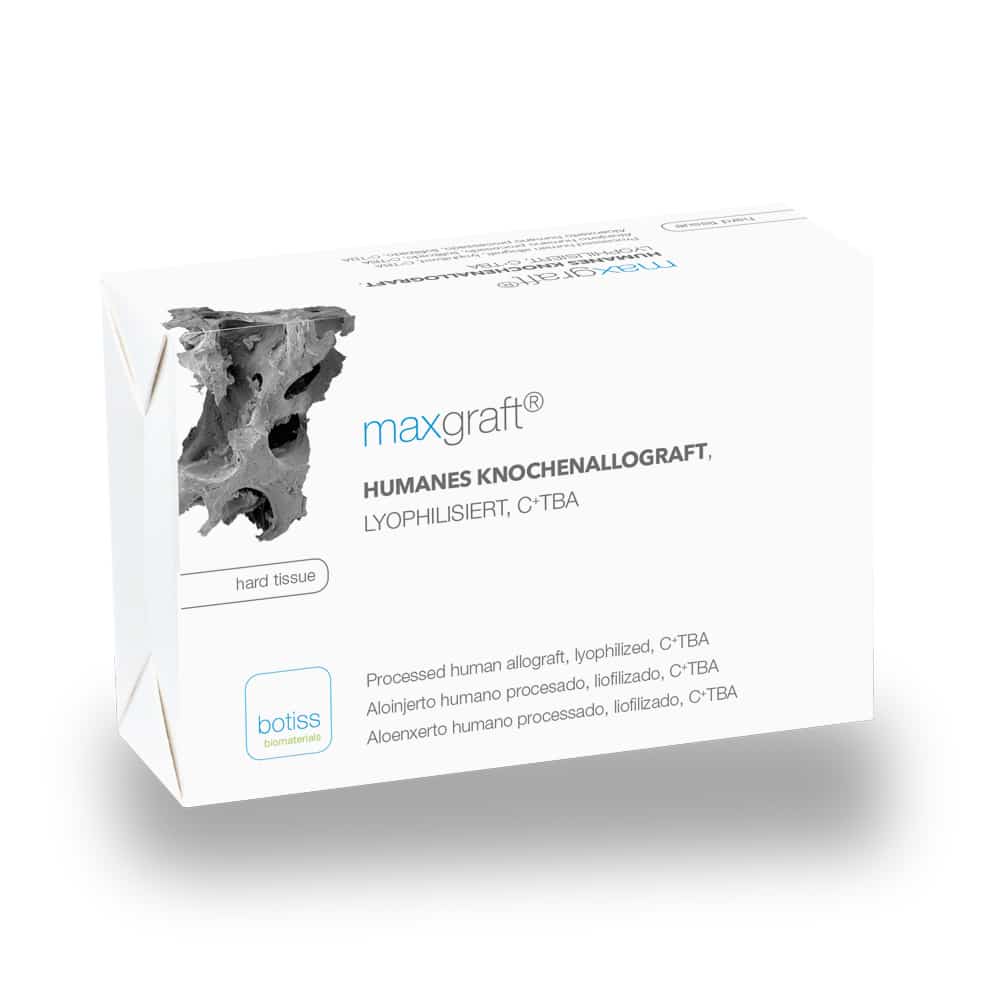
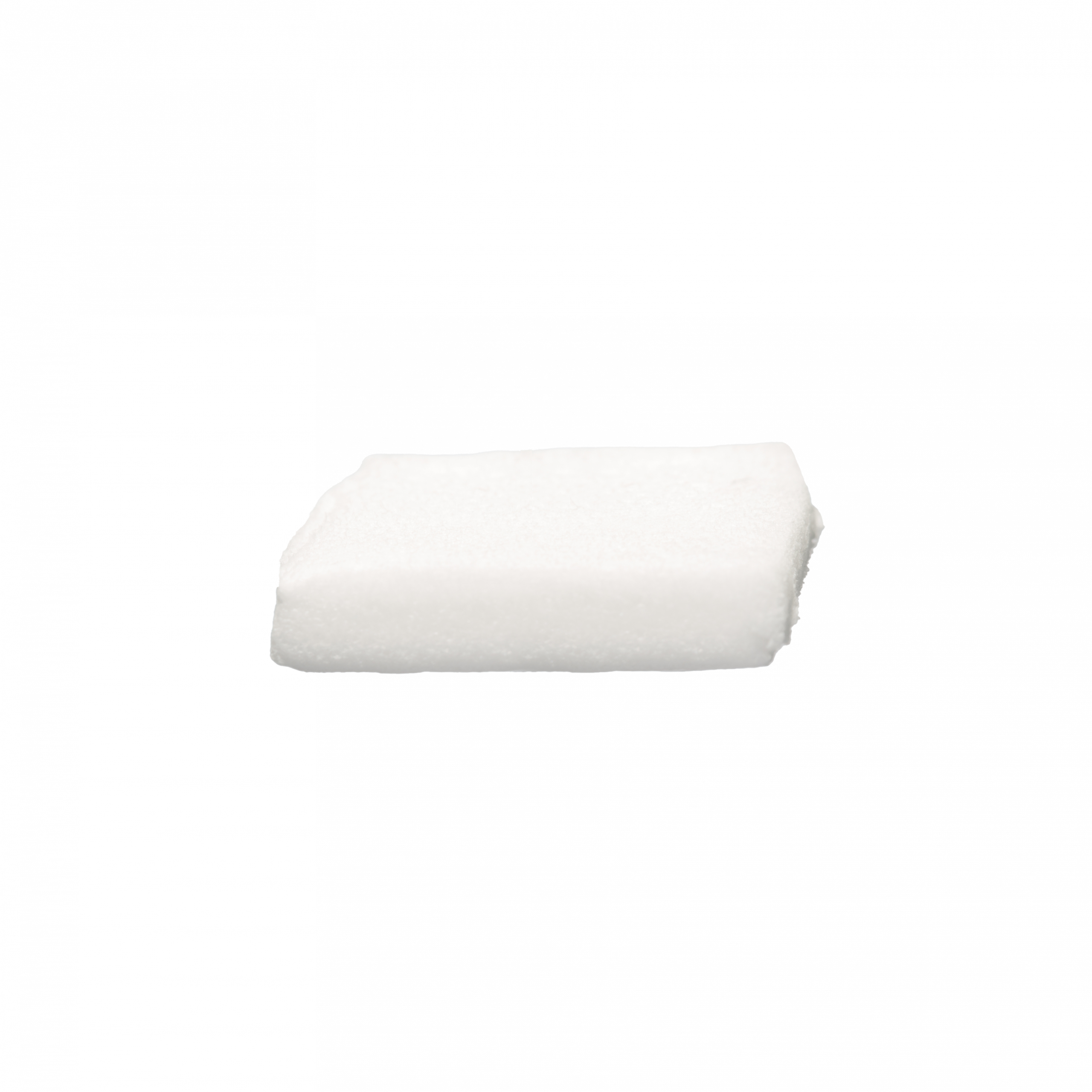
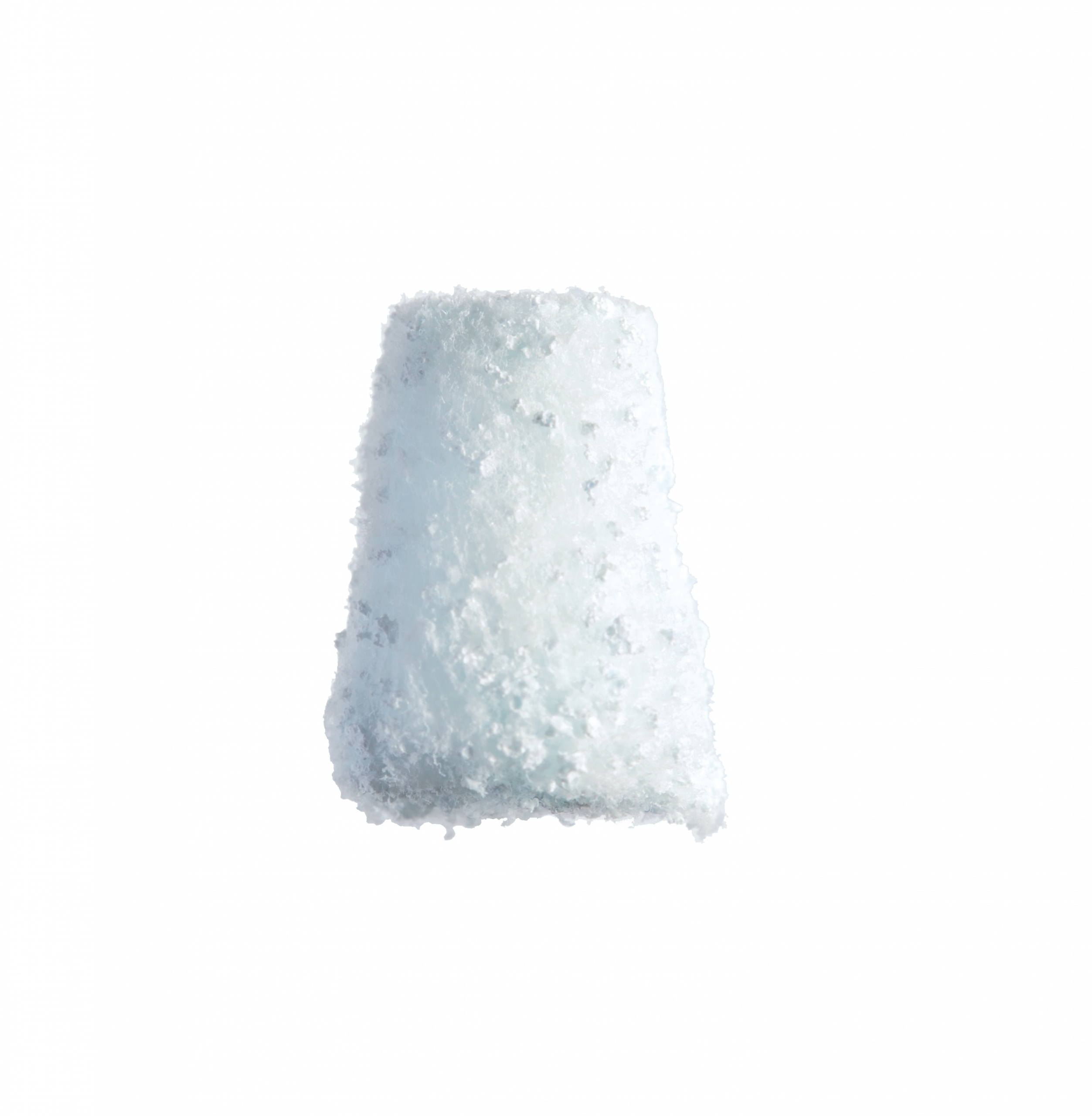
maxgraft® blocks are allogenic bone grafts from human donor bone, processed by the Cells+Tissuebank Austria in a special purification process (Allotec® process) and are available in cancellous and cortico-cancellous forms. Due to the preserved bone structure and collagen content of human bone, maxgraft® blocks serve as a osteoconductive scaffold for natural bone regeneration and have the potential to be completely remodeled into the patient’s own bone.
NATURAL BONE REGENERATION
ALTERNATIVE TO PATIENT’S OWN BONE
SHORTER TREATMENT TIMES
×
ALLOGENIC ALTERNATIVE
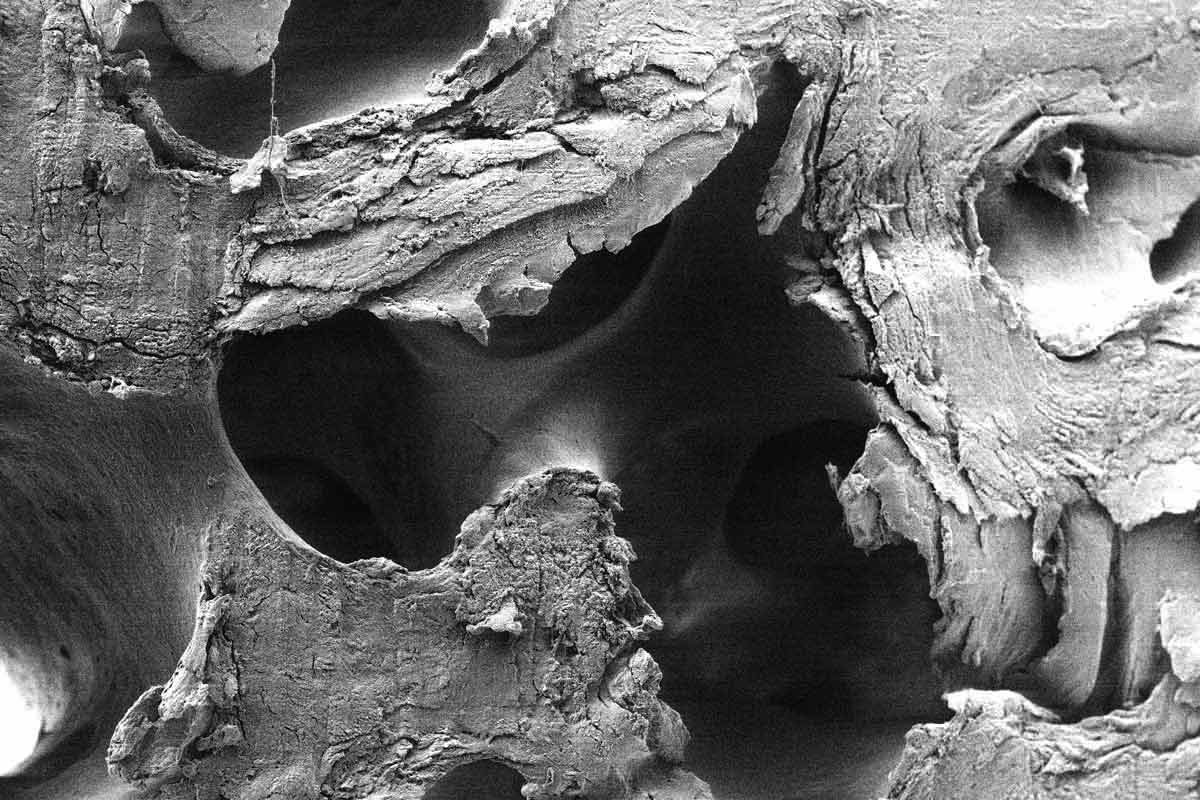
The cancellous structure of maxgraft® enables optimal revascularization and supply of vital cells and thus rapid regeneration of vital bone tissue. With maxgraft® uni-cortical blocks, greater volume stability is provided due to a compact and dense bone part on one side. maxgraft® blocks are a valid alternative to autologous bone harvesting for bone augmentation procedures. The harvesting morbidity of a second surgical site and the associated risks of infection, postoperative pain and the risk of loss of bone stability at the harvesting site can be avoided or prevented. For experienced oral and maxillofacial surgeons, customized allogenic bone blocks, maxgraft® bonebuilder, are an additional treatment option to avoid time-consuming block design
×
maxgraft® blocks
High Patient Acceptance – Shorter Treatment Times
Due to its high biological regenerative capacity and complete remodeling, maxgraft® represents an alternative to the patient’s own bone. The need for a second surgical site is eliminated, surgical time is shortened, and postoperative pain and morbidity for the patient are significantly reduced.
×
maxgraft® blocks
Properties & Advantages
• Preserved trabecular structure of human bone
• Osteoconductive properties that support natural and controlled remodeling
• Natural mineralized collagen
×
maxgraft® blocks
Indications
IMPLANTOLOGY, ORAL AND CMF SURGERY
• Reliable, effective alternative to traditional block augmentation techniques with autologous blocks
• Three-dimensional (horizontal and/or vertical) alveolar ridge augmentation
×
Privacy Policy
EFFECTIVE DATE: DECEMBER 10, 2024
SPECIFIC FACTS
Variants Depending on Clinical Situations
maxgraft® blocks are available in pure cancellous and uni-cortical forms. For the regeneration of bone defects, the cancellous structure of the purely cancellous blocks enables rapid regeneration of vital bone tissue, whereas the uni-cortical blocks offer more volume stability, for example in augmentations outside the ridge contour.
Rehydration
maxgraft® blocks consist of a mineralized collagen matrix with a residual moisture content of <10%. Nevertheless, rehydration is recommended (10 minutes in physiological saline solution). maxgraft® blocks can also be briefly rehydrated in a disposable syringe under vacuum in physiological saline solution (technique according to Dr. Blume). Rehydration can improve the adaptability of the material (especially with large blocks) to the defect.
Origin
maxgraft® is processed allograft from human donors. All cancellous blocks originate from femoral heads of living donors donated during hip arthroplasty surgery. Uni-cortical blocks with a cortical component are from post-mortem donors. Procurement is standardized according to a predefined protocol and is performed by certified procurement centers. All tissue donations are performed only after the donor has given written consent. In addition, the health status of each potential donor is assessed in advance as part of a risk analysis and the donor is then selected on the basis of strict exclusion criteria.
Safe and Sterile
After a thorough analysis of the donors’ medical history, the high safety of maxgraft® is ensured by a series of stringent serological tests in combination with C+TBA’s Allotec® purification process and final radiological sterilization.
C+TBA is certified as a tissue procurement facility and tissue bank according to §19 and §22 of the Austrian Tissue Safety Act.
Contact Us
If you have any questions about this Privacy Policy, please contact us at office@megagen.co.uk
HANDLING TIPS
Rehydration
The maxgraft® production process preserves the natural collagen and a residual moisture of Fixation – Lag screw technique
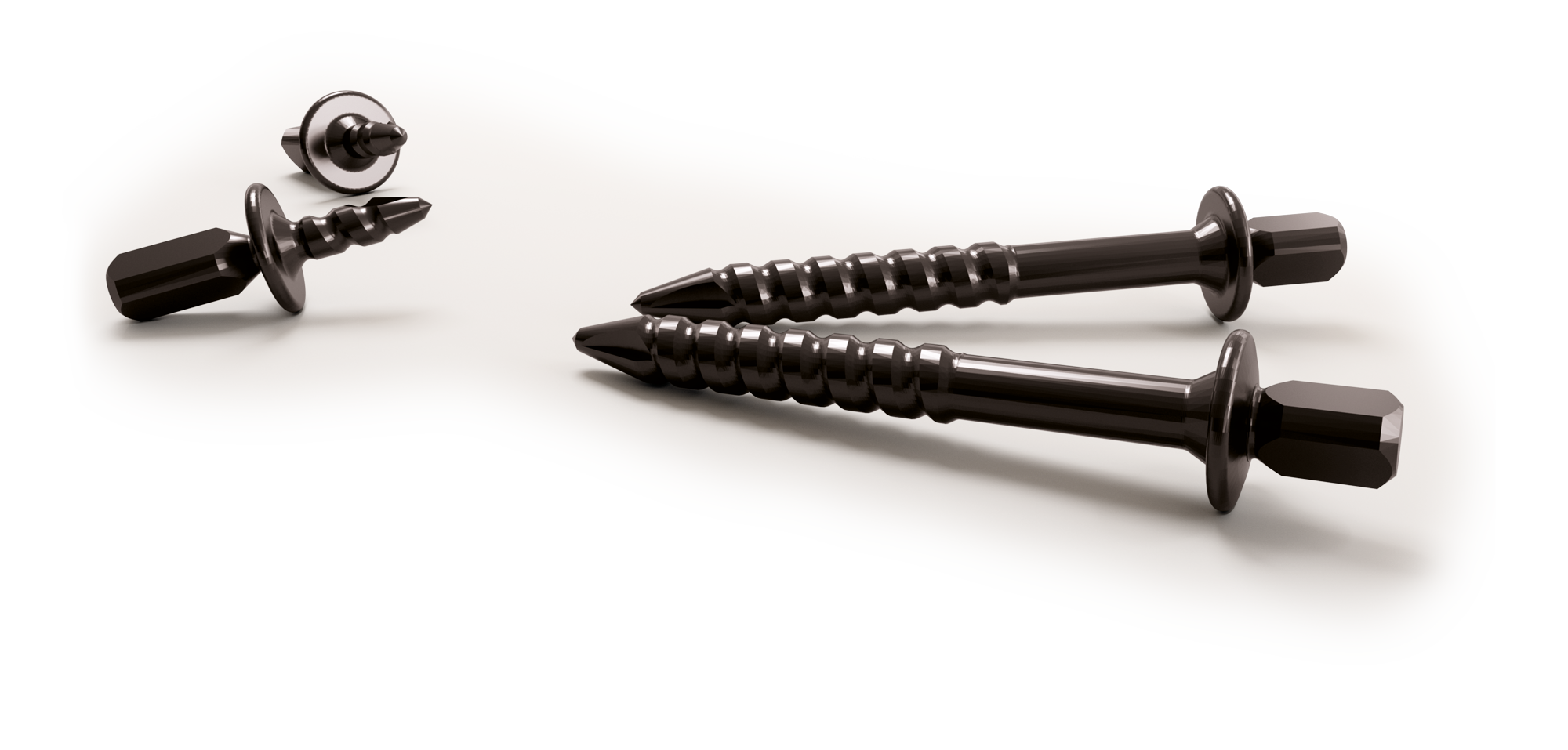
maxgraft® blocks must be stabilized to avoid any micro-movement and thus ensure good healing. Direct contact between the local bone and the maxgraft® block ensures safe incorporation and rapid regeneration. With the lag screw technique, a gliding hole is drilled into the bone block (drill diameter corresponds to screw diameter), while a drill with a minimally smaller diameter is used for the local bone. Before fixation, a suitable head space for the screws should be created, e.g. with a diamond-coated ball burr, to avoid soft tissue irritation due to protruding screw heads. Flat-headed osteosynthesis screws are recommended to avoid sharp edges.
Combination with cerabone® or maxgraft® granules
Particulate bone substitute material (e.g. cerabone® or maxgraft® granules) can be used at the edges of the maxgraft® block for contouring. Volume-stable bone substitute materials such as cerabone® can also be used as resorption protection, e.g. especially in the esthetic zone.
Guided Bone Regeneration – Use of a barrier membrane
maxgraft® blocks should be covered with a membrane with sufficient long barrier function (e.g. Jason® membrane) to achieve guided bone regeneration and prevent soft tissue ingrowth.
Wound closure
Consideration of the soft tissue situation prior to surgery is necessary. Proper soft tissue management is critical to the success of the surgical procedure. Tension-free wound closure and adequate soft tissue management help to significantly reduce the risk of complications such as dehiscence. Overlapping mobilization of the soft tissue before suturing should be possible.
Reentry
The healing time for maxgraft® blocks is approx. six months (depending on the location, geometry and extent of the defect). The appropriate time for reentry is determined individually by the practitioner. A radiological control scan is recommended prior to reentry. During reentry, the osteosynthesis screws are removed.
×
OUR BOTISS PRODUCTS
01 — 07
NOVAMag® membrane
Resorbable Magnesium Membrane
Jason® membrane
Native Pericardium GRB/GTR Membrane
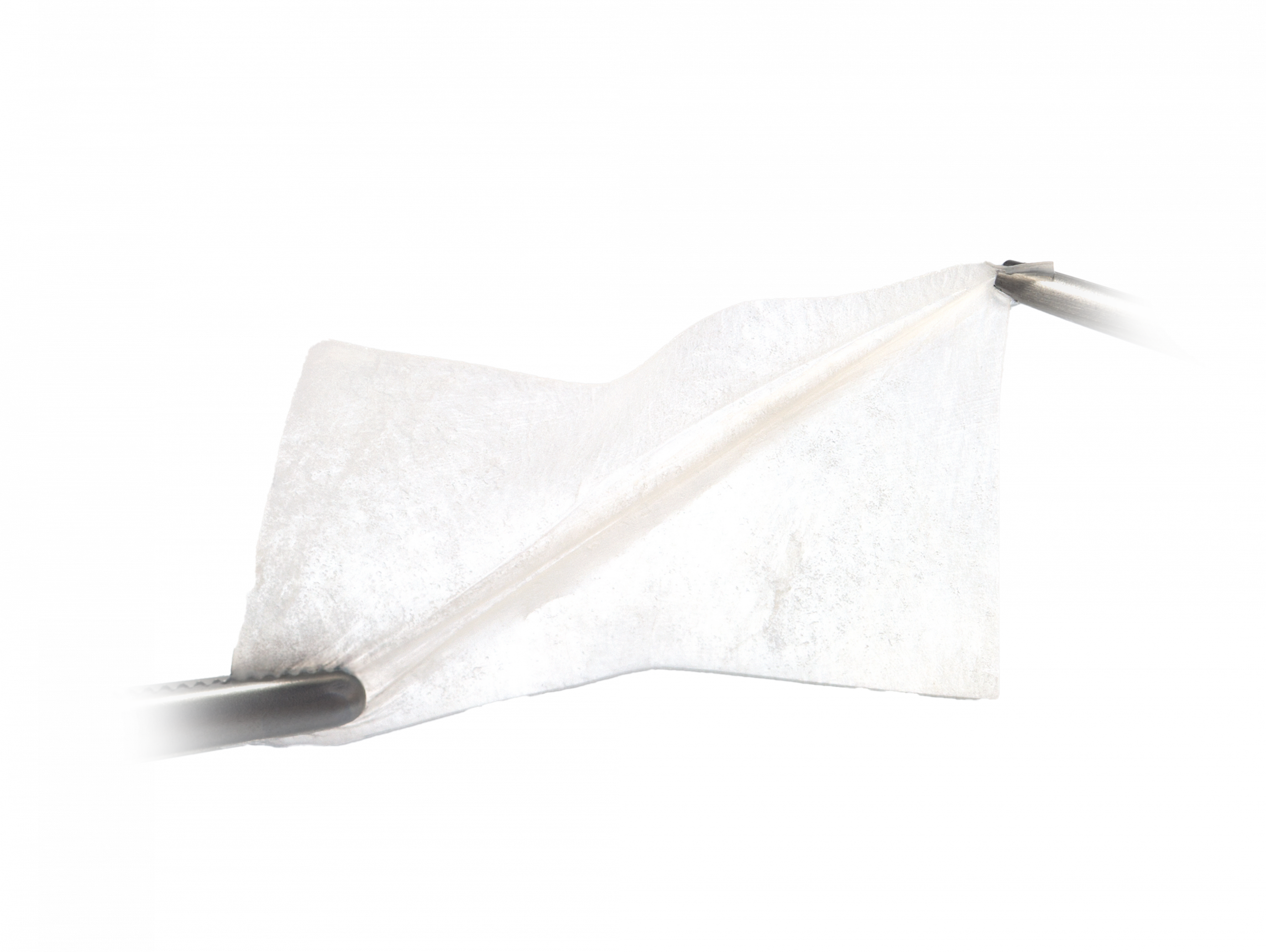
maxgraft® granules
Processed Human Allograft
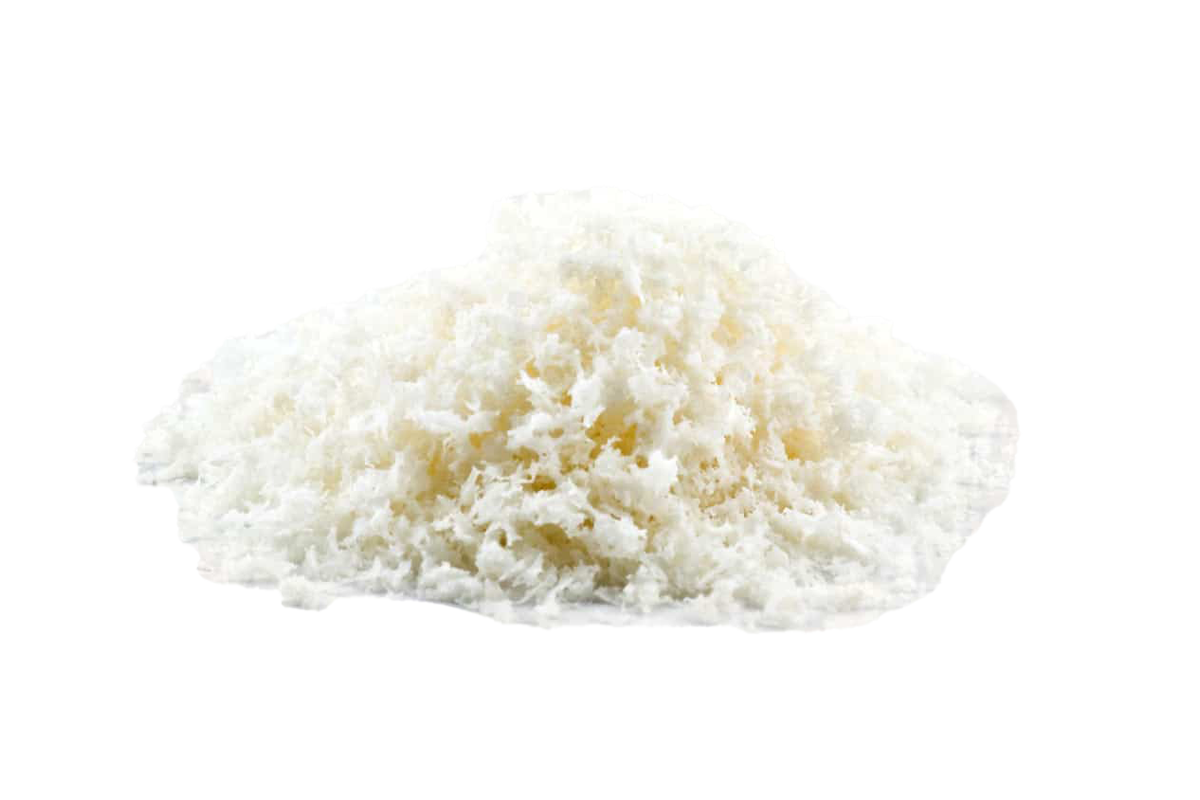
maxgraft® blocks
Processed Human Allograft
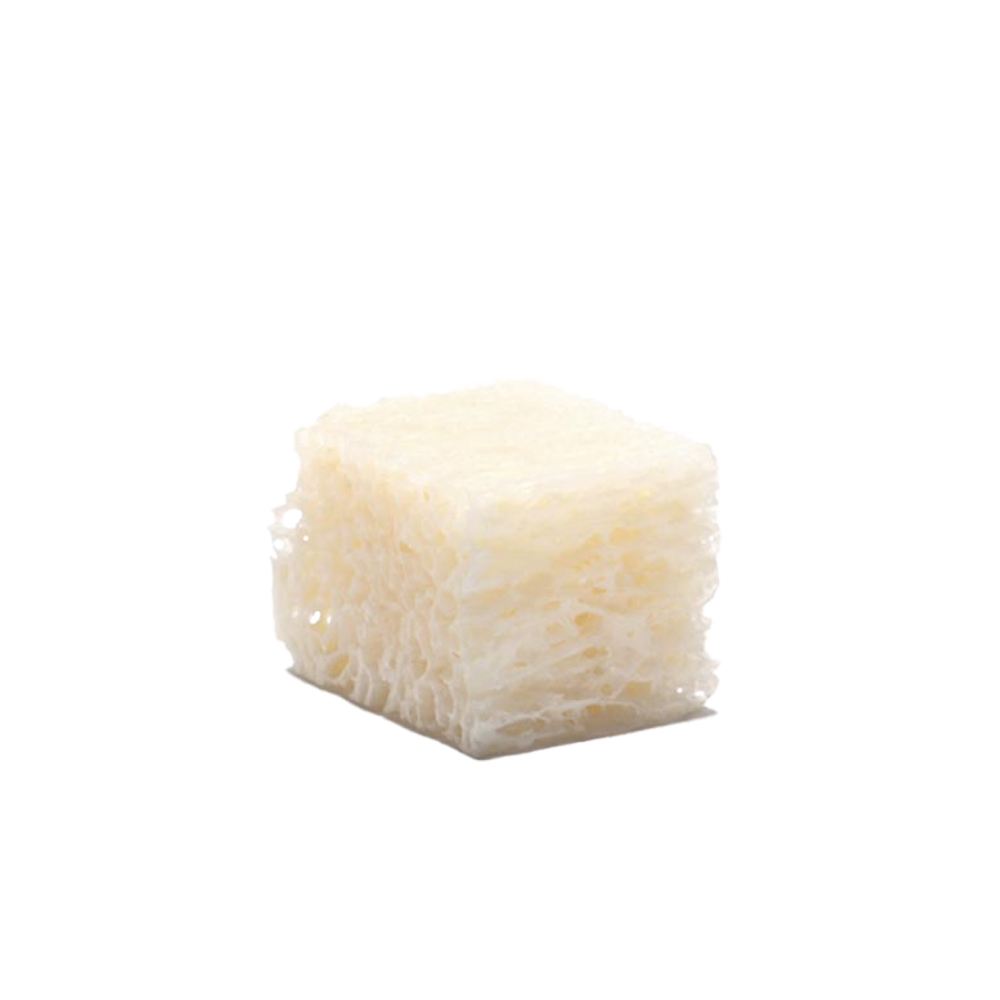
maxgraft® cortico
Bone augmentation with the shell technique
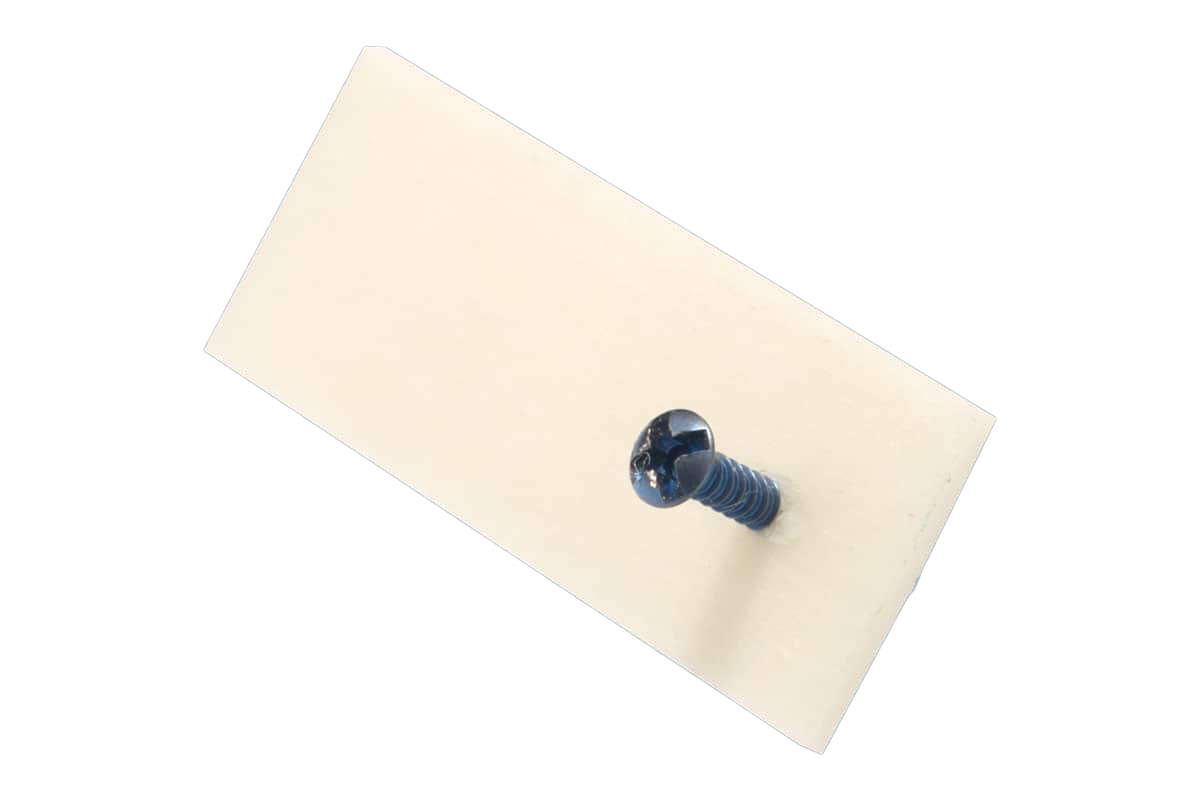
maxgraft® bonebuilder
Customized Allogenic bone block
NOVAMag® fixation screw
Resorbable magnesium screws
mucoderm®
Acellular dermal collagen matrix
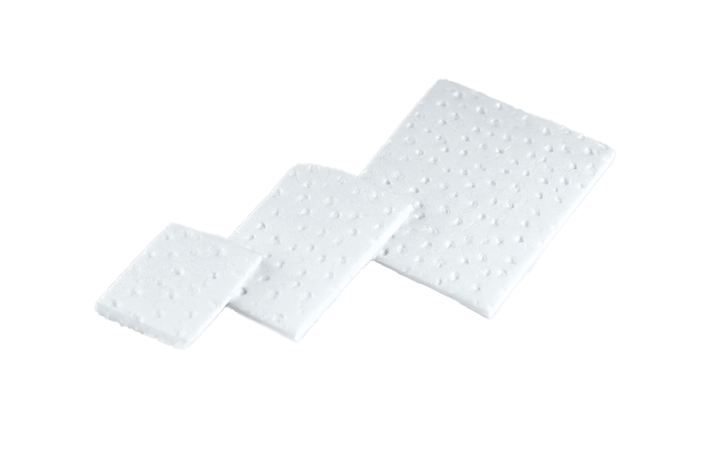
collafleece®
Resorbable collagen for wound management
collacone®
High-Density PTFE Barrier Membrane

Meet with Your Local Representative
Be the first to know about our discount offers, events and giveaways.
THE FUTURE IS HERE
Join Megagen Community
Discover the latest in dental technology.
Join our community for exclusive offers and events.