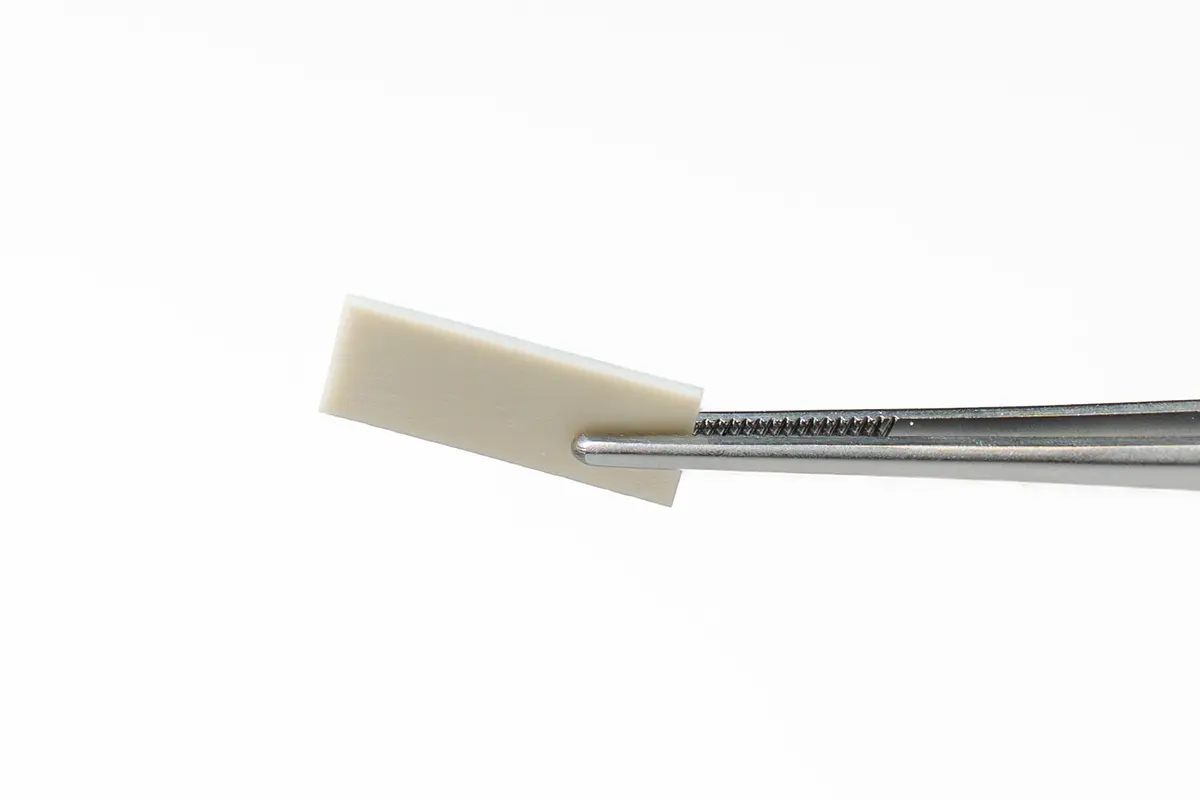
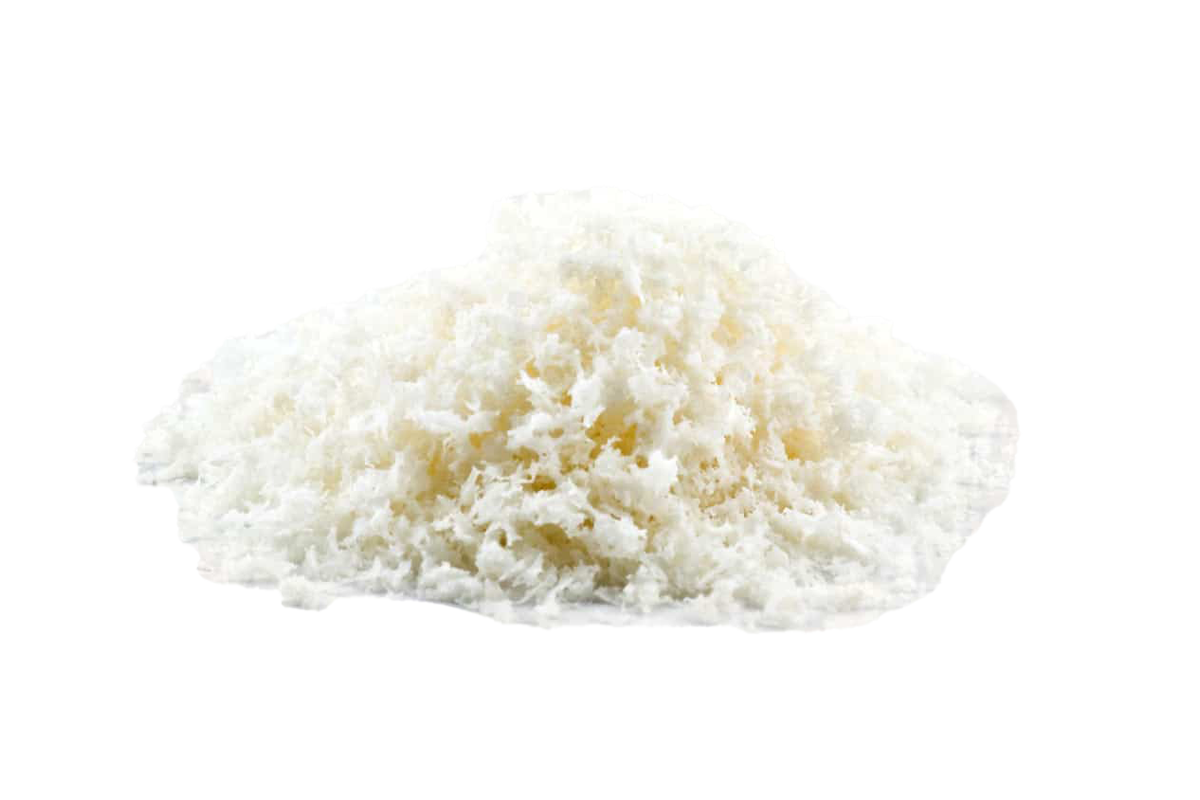
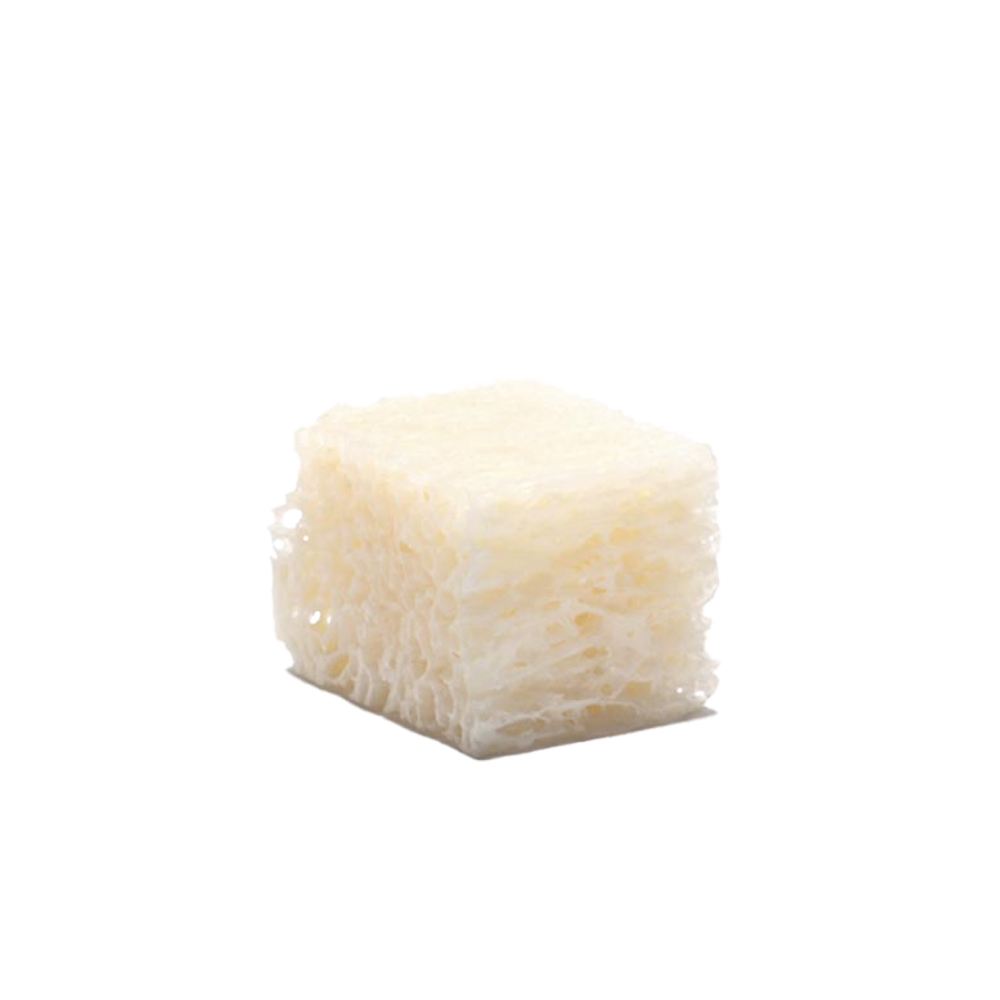
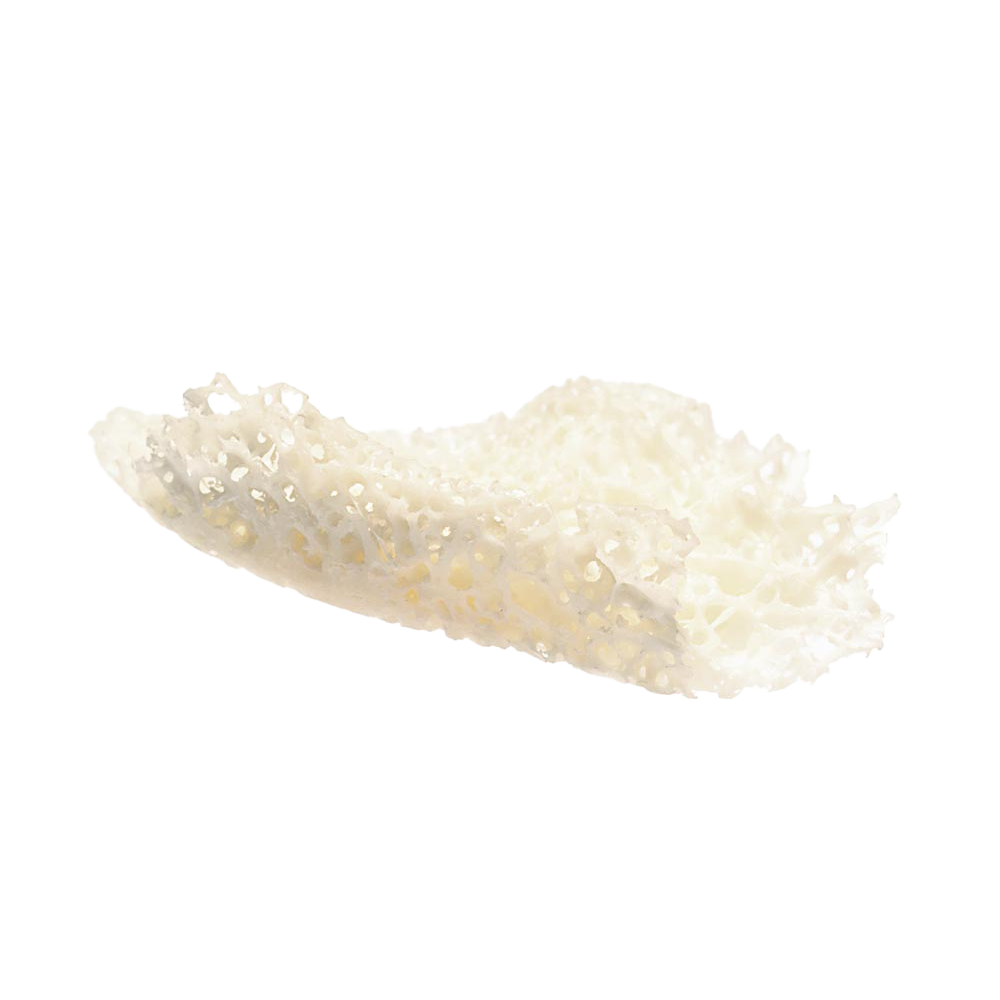
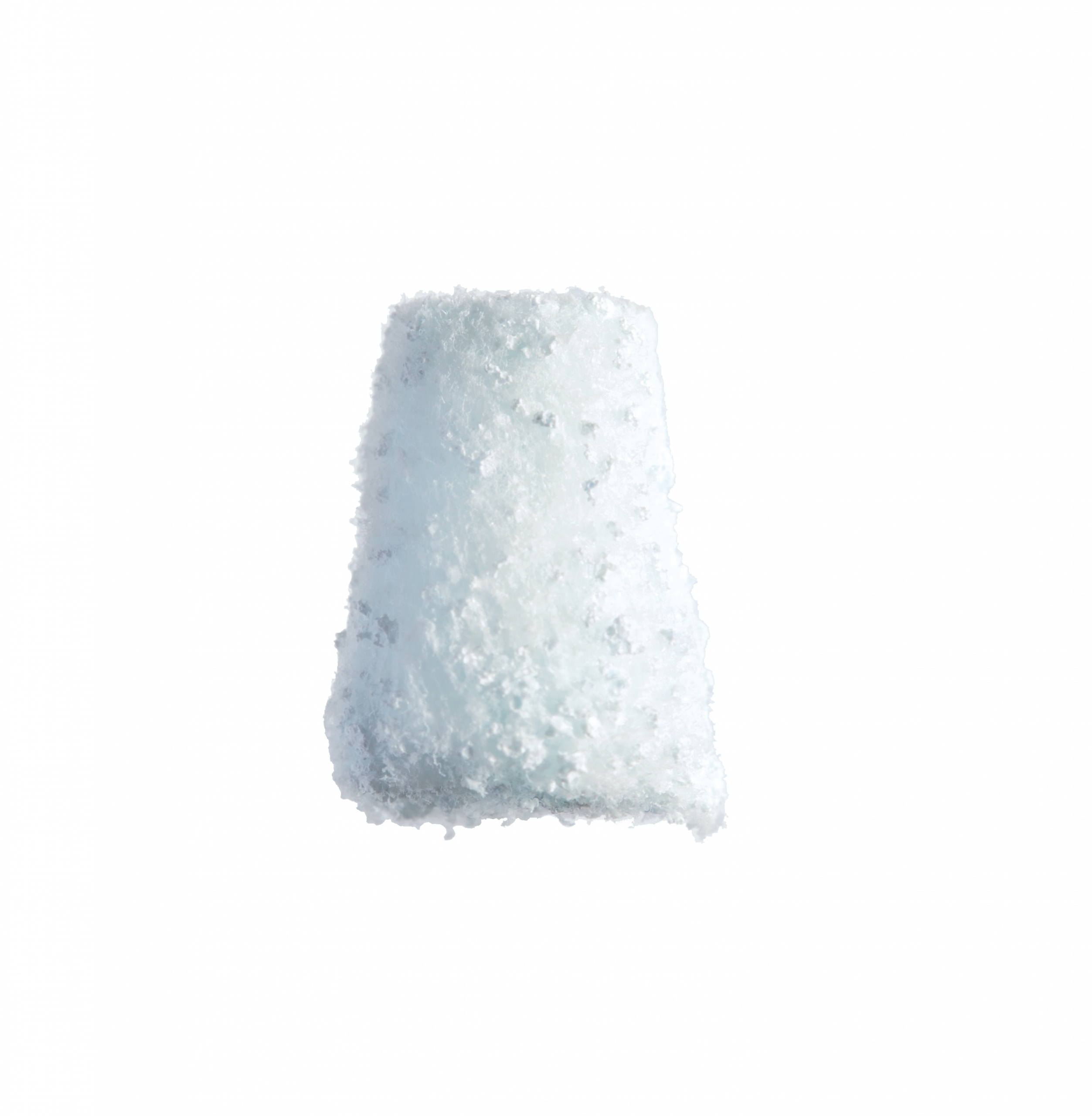
maxgraft® granules are allograft bone substitute from human donor bone, processed by the Cells+Tissuebank Austria with a special cleaning process (Allotec® process) and available in cancellous and cortico-cancellous form. Due to its preserved natural bone structure and collagen content, it serves as a scaffold for natural bone regeneration and has the potential of complete remodeling into patients’ own bone 1,2.
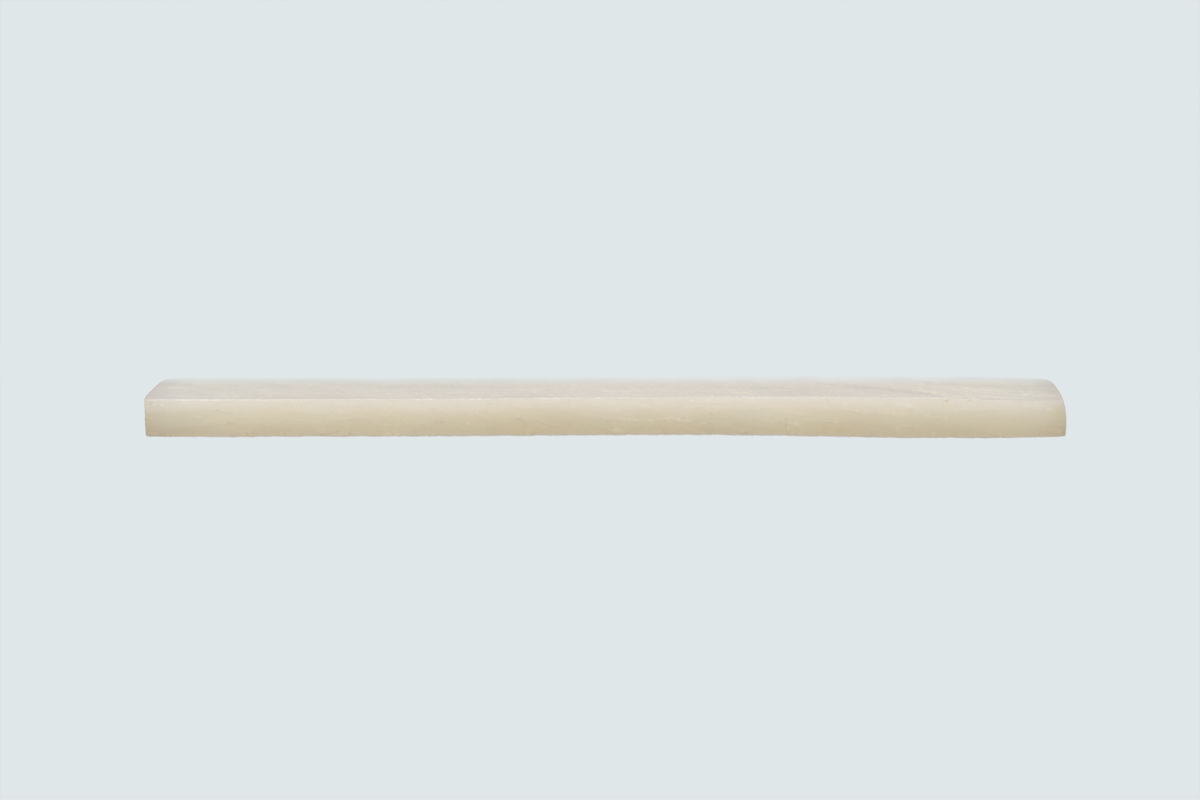
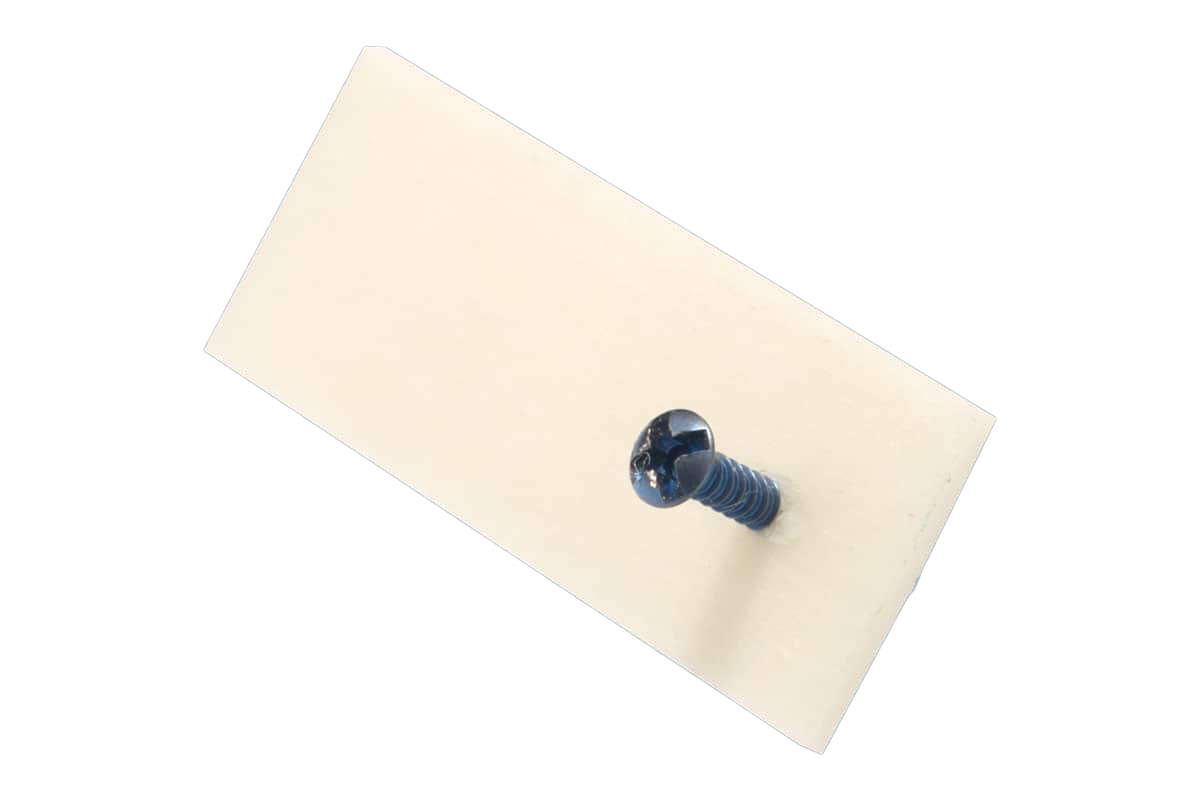
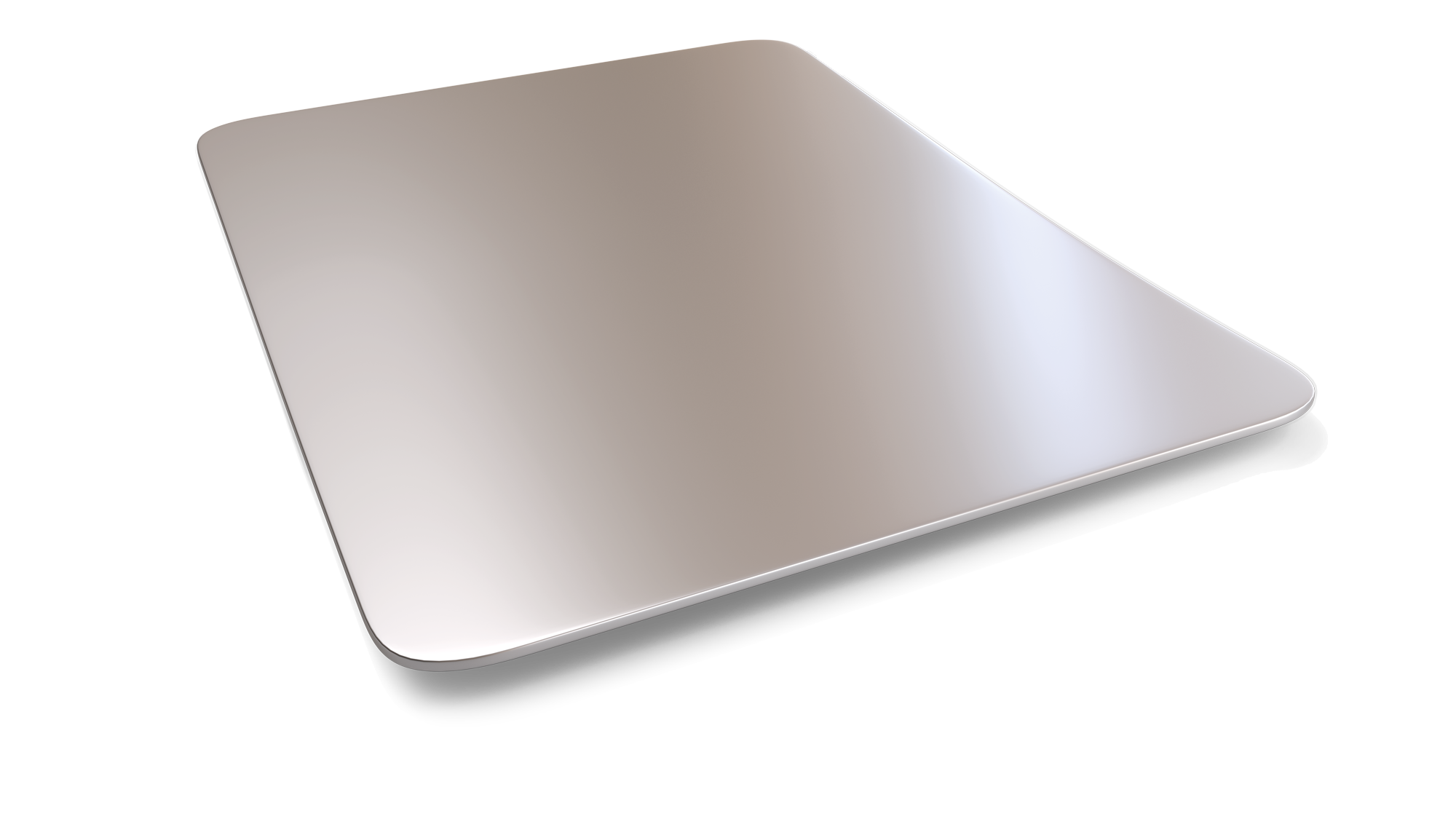
maxgraft® cortico is an allogenic bone graft from human donor bone, which is prepared by Cells+Tissuebank Austria in a special purification process (Allotec® process). maxgraft® cortico is a thin, stable cortical plate specially developed for the shell technique. The shell technique creates a biological container which can be filled with particulate bone substitute material, facilitating revascularization and migration of bone-forming cells into the defect zone for rapid bone regeneration1.
SHORTER TREATMENT TIMES
ALTERNATIVE TO AUTOLOGOUS PLATES
STABLE CORTICAL BONE SCAFFOLD
×
maxgraft® cortico
Allogenic Shell Technique
maxgraft® cortico spares the patient the possible source of complications of autologous bone harvesting, the donor site morbidity, as well as the associated pain, which is often greater than with the augmentation itself. The practitioner is also spared the need to divide the bone block and the time-consuming thinning of the bone plates1,2,7.
×
maxgraft® cortico
High Patient Acceptance – Shorter Treatment Times
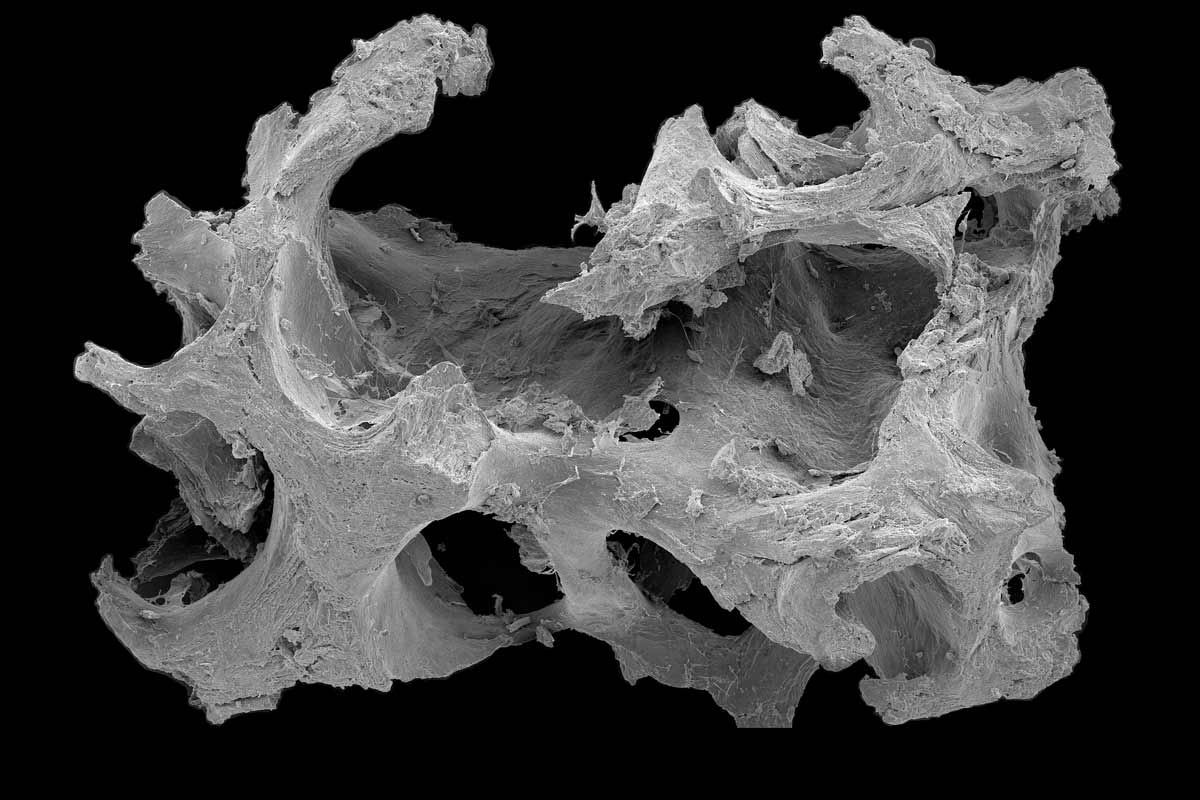
Due to its high biological regenerative capacity and complete remodeling, maxgraft® represents an alternative to the patient’s own bone. The need for a second surgical site is eliminated, surgical time is shortened, and postoperative pain and morbidity for the patient are significantly reduced.
×
maxgraft® REM
maxgraft® cortico
Properties & Advantages
Osteoconductivity and volume stability of cerabone®plus proven properties of hyaluronate.
• Standardized size
• Stable cortical bone scaffold
• Less invasive alternative to autologous plates
×
maxgraft® cortico
Indications
IMPLANTOLOGY, ORAL AND CMF SURGERY
• Vertical augmentation
• Horizontal augmentation
• Complex three-dimensional augmentations
• Single tooth gaps
• Fenestration defects
×
Privacy Policy
EFFECTIVE DATE: DECEMBER 10, 2024
SPECIFIC FACTS
Valid Alternative to Autologous Plates
maxgraft® cortico spares the patient the possible source of complications of autologous bone harvesting, the donor site morbidity, as well as the associated pain, which is often greater than with the augmentation itself. The practitioner is also spared the need to divide the bone block and the time-consuming thinning of the bone platelets.
Osteoconductive Space for Bone Regeneration
The shell technique creates a biological container between the local bone and the cortical plate. This free space can be filled with the surgeon’s preferred particulate bone substitute material, such as maxgraft® granules or autologous bone chips. The osteoconductive characteristics of maxgraft® allows natural remodeling.
Stable Cortical Bone Scaffold
Postoperatively, maxgraft® cortico is primarily integrated. Since the bone plate consists of cortical bone, it is not rapidly resorbed by the body but gradually remodeled. New vital bone forms directly on the side of the allogenic plate facing the local bone. Compared to autologous bone plates, maxgraft® cortico shows comparable, sustained stability.
Rehydration
Rehydration of maxgraft® cortico is recommended. Rehydration of maxgraft® cortico (10 minutes in saline solution) has been shown to increase flexibility and improve the fracture strength of the plate.
Origin
maxgraft® is processed bone graft substitute material from human donors. maxgraft® cortico is completely mineralized cortical bone and originates from the femoral diaphysis of post mortem donors. Procurement is standardized according to a predefined procurement protocol and is performed by certified procurement centers. All tissue donations are made only after the donor has given written consent. In addition, the health status of each potential donor is assessed in advance as part of a risk analysis and the donor is then selected on the basis of strict exclusion criteria.
Safe and Sterile
After a thorough analysis of the donors’ medical history, the high safety of maxgraft® is ensured by a series of rigorous serological tests in combination with the Allotec® purification process of the C+TBA and final radiological sterilization. C+TBA is certified as a tissue procurement facility and tissue bank according to §19 and §22 of the Austrian Tissue Safety Act.
Contact Us
If you have any questions about this Privacy Policy, please contact us at office@megagen.co.uk
HANDLING TIPS
Rehydration
The maxgraft® production process preserves the natural collagen and a residual moisture of Shaping
maxgraft® cortico cannot be bent to follow the contour of the alveolar ridge. The plate is completely mineralized cortical bone and is not flexible. The plate should be shaped extraorally and predrilled7. Excessive augmentation outside the alveolar ridge contour should be avoided, as this may lead to complications such as increased bone resorption and dehiscence 7.
Fixation – Set screw technique
In the set screw technique, the same drill diameter is used for drilling through the plate and the local bone so that maxgraft® cortico is fixed at the appropriate distance from the alveolar ridge. Steel or titanium screws with a flat head, a diameter of 1.0-1.2 mm and a length of 8-11 mm are suitable for most defects.
Filling the defect
The gap space created between the local bone and the cortical plate is filled with particulate bone regeneration materials. The use of a mixture of autogenous and allogenic materials (maxgraft® granules) is recommended7. The collagen contained in maxgraft® granules allows for osteoconduction and enables complete remodeling of the particles5.
Guided Bone Regeneration – Use of a barrier membrane
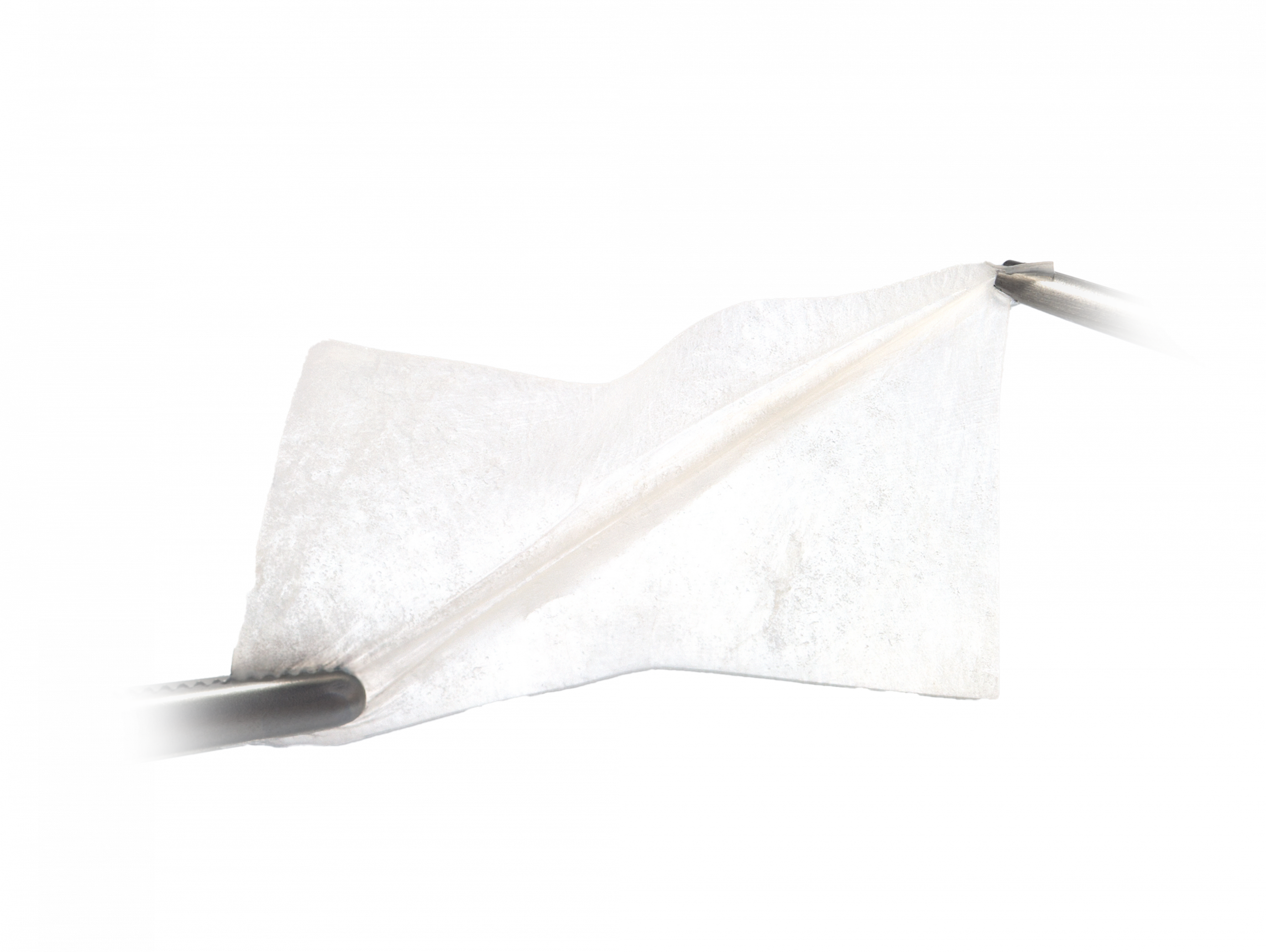
maxgraft® cortico should be covered with a membrane with a sufficient long barrier function (e.g. Jason® membrane) to achieve controlled bone regeneration and prevent soft tissue ingrowth.
Wound closure
Consideration of the soft tissue situation prior to surgery is necessary. The wound must be closed tension-free. Overlapping mobilization of the soft tissue before suturing should be possible.
Reentry
Depending on the type of particulate bone graft substitute used to fill the container, the healing time changes. If a mixture of allogeneic particulate material and autogenous bone chips was used, the healing time is approximately four to six months, depending on the location, geometry and extent of the defect. The appropriate time for reopening is determined individually by the practitioner.
×
OUR BOTISS PRODUCTS
01 — 07
NOVAMag® membrane
Resorbable Magnesium Membrane
Jason® membrane
Native Pericardium GRB/GTR Membrane
maxgraft® granules
Processed Human Allograft
maxgraft® blocks
Processed Human Allograft
maxgraft® cortico
Bone augmentation with the shell technique
maxgraft® bonebuilder
Customized Allogenic bone block
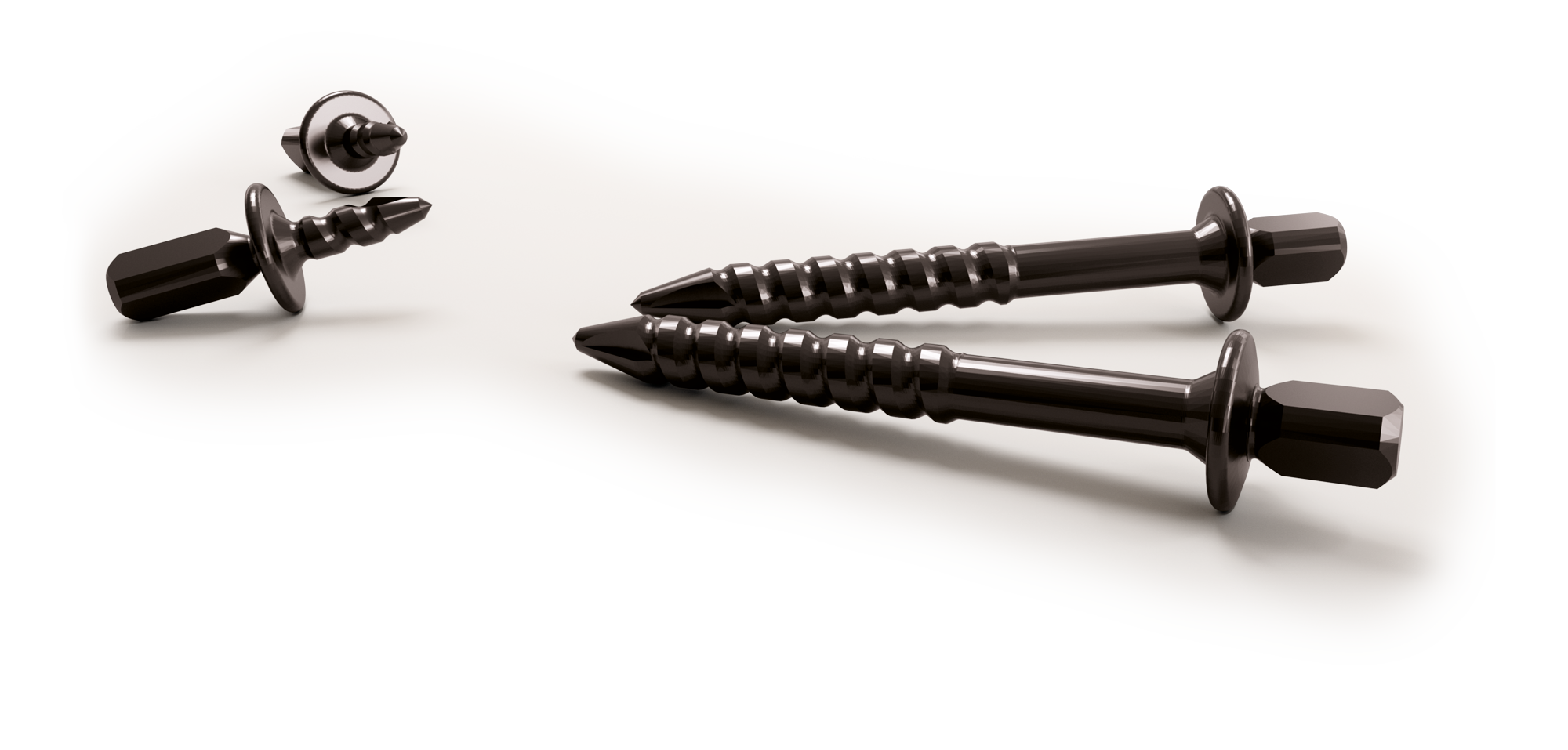
NOVAMag® fixation screw
Resorbable magnesium screws
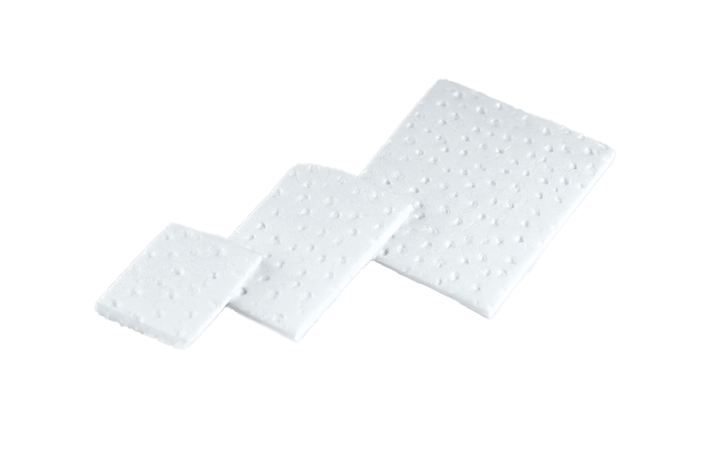
mucoderm®
Acellular dermal collagen matrix
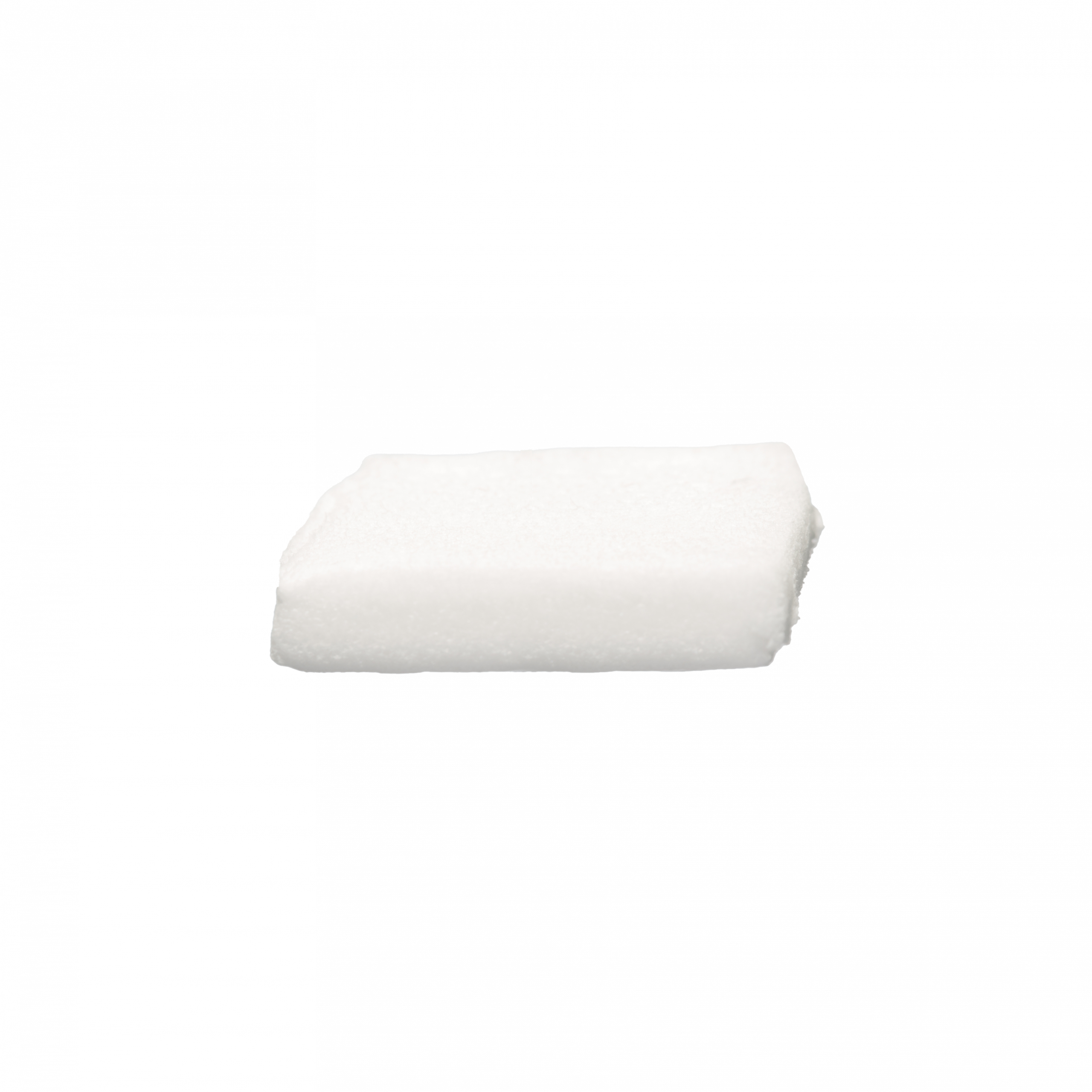
collafleece®
Resorbable collagen for wound management
collacone®
High-Density PTFE Barrier Membrane

Meet with Your Local Representative
Be the first to know about our discount offers, events and giveaways.
THE FUTURE IS HERE
Join Megagen Community
Discover the latest in dental technology.
Join our community for exclusive offers and events.