Innovative biphasic calcium phosphate
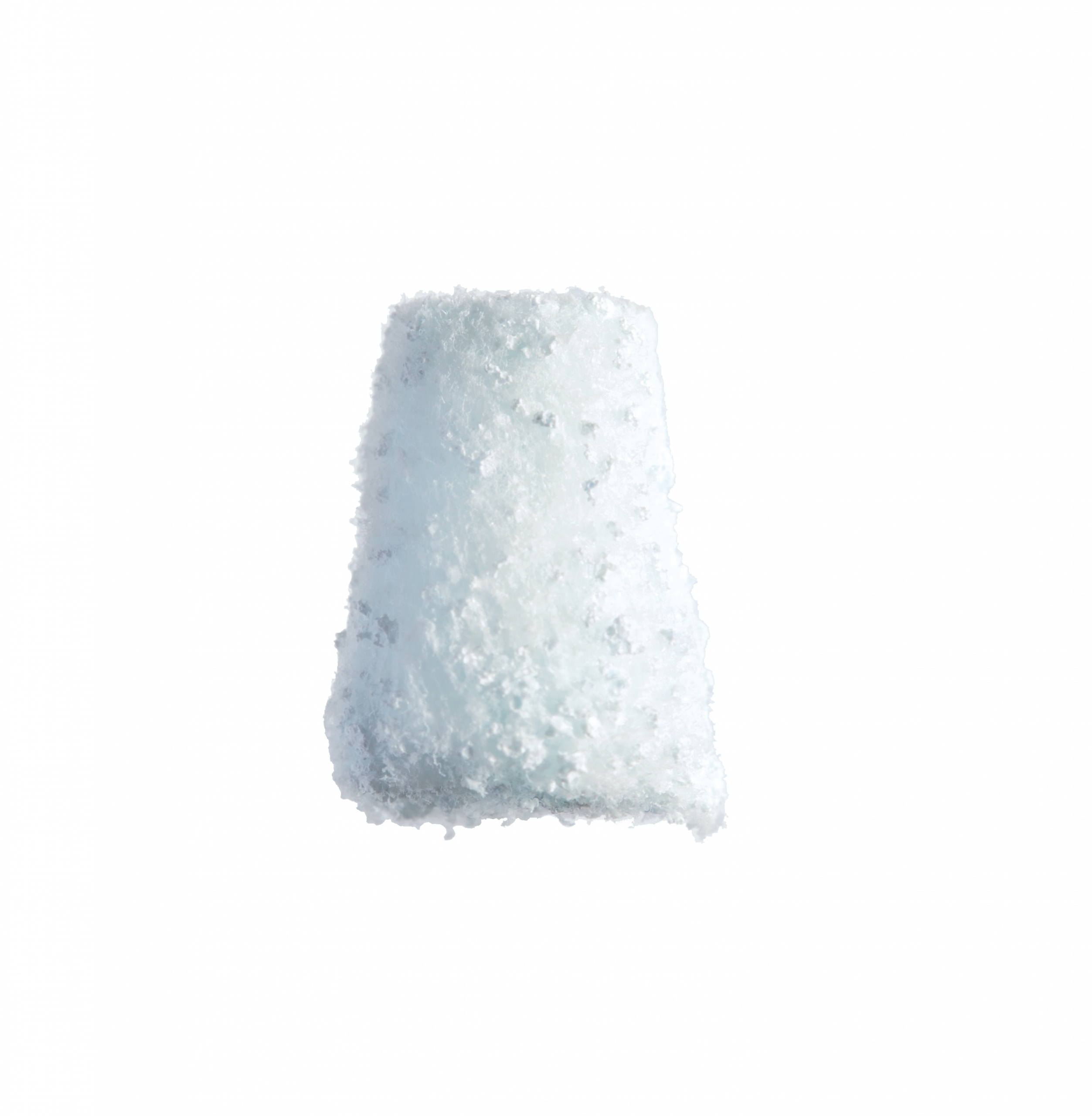
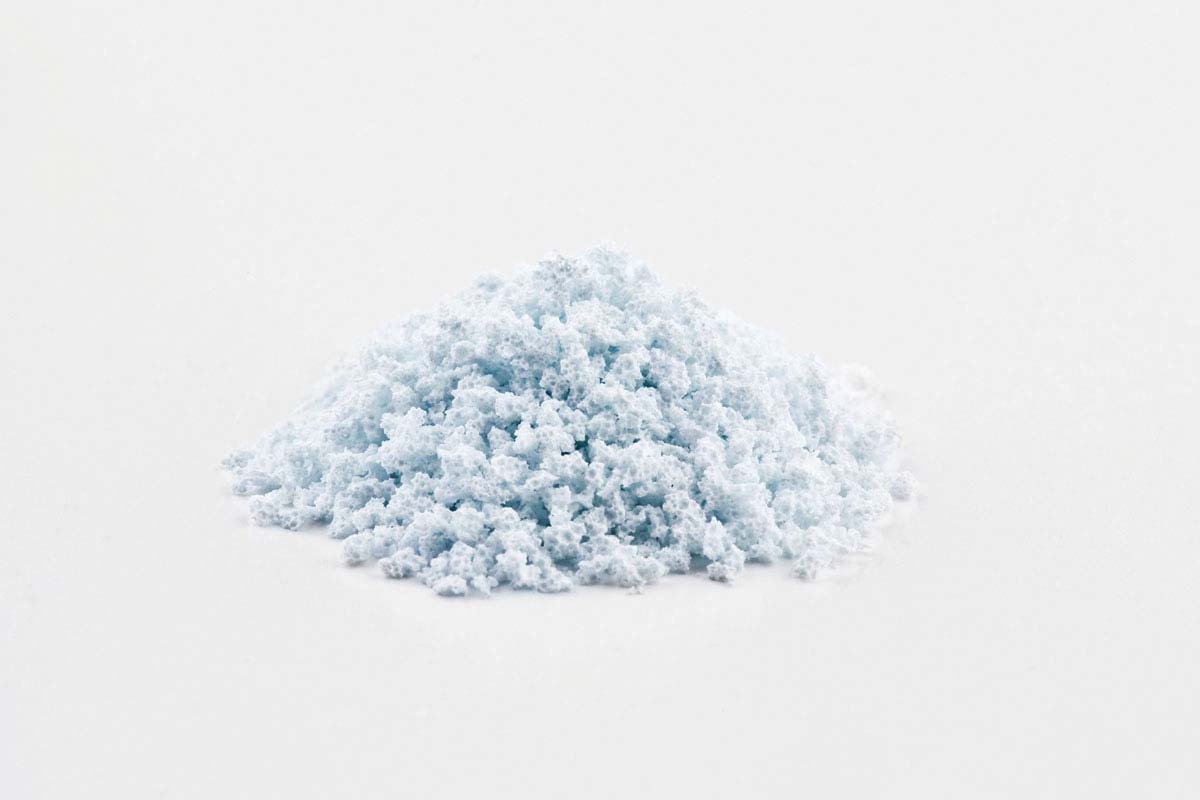
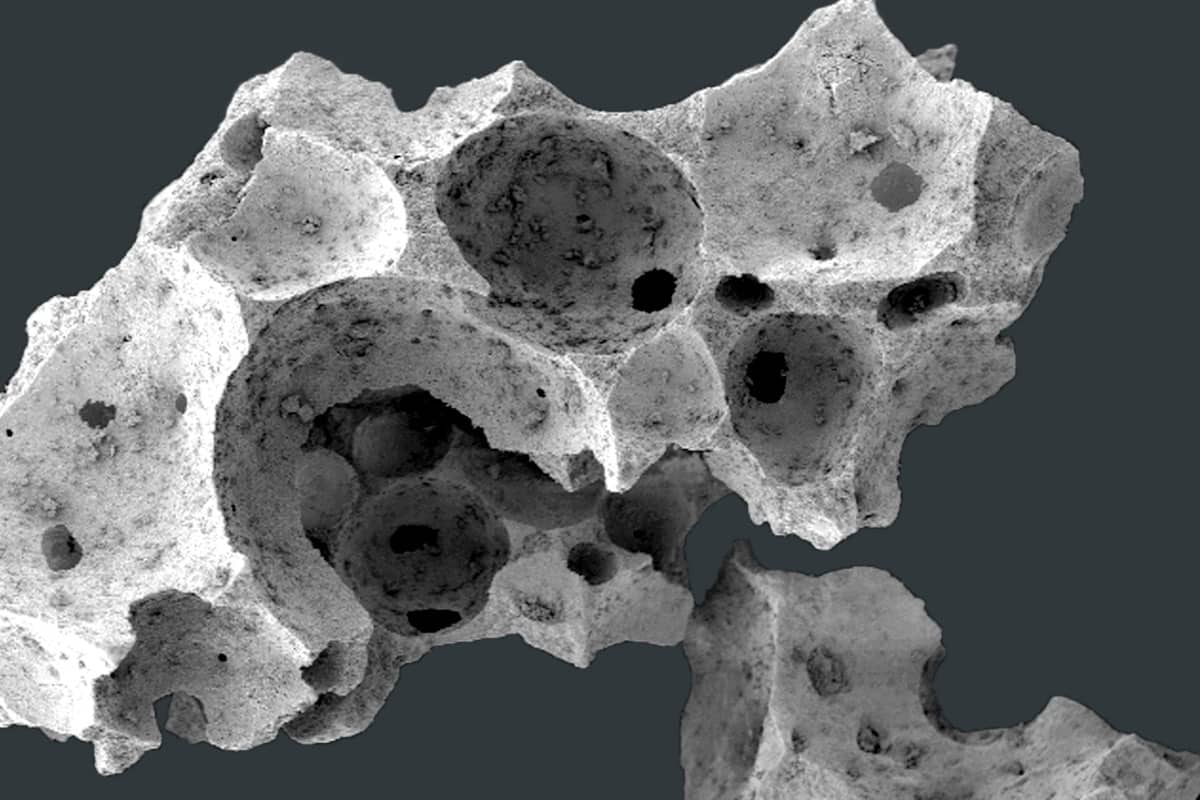
maxresorb® is an innovative, safe, reliable, and fully synthetic bone substitute material that is characterized by controlled resorption and outstanding handling characteristics. maxresorb® is composed of 60% slowly resorbing hydroxyapatite (HA) and 40% fast resorbing beta-tricalcium phosphate (β-TCP). The unique synthesis-based production process ensures a completely homogenous distribution of both mineral phases. The special composition of maxresorb® promotes fast formation of new vital bone, and ensures a controlled resorption without volume loss of the augmented site.
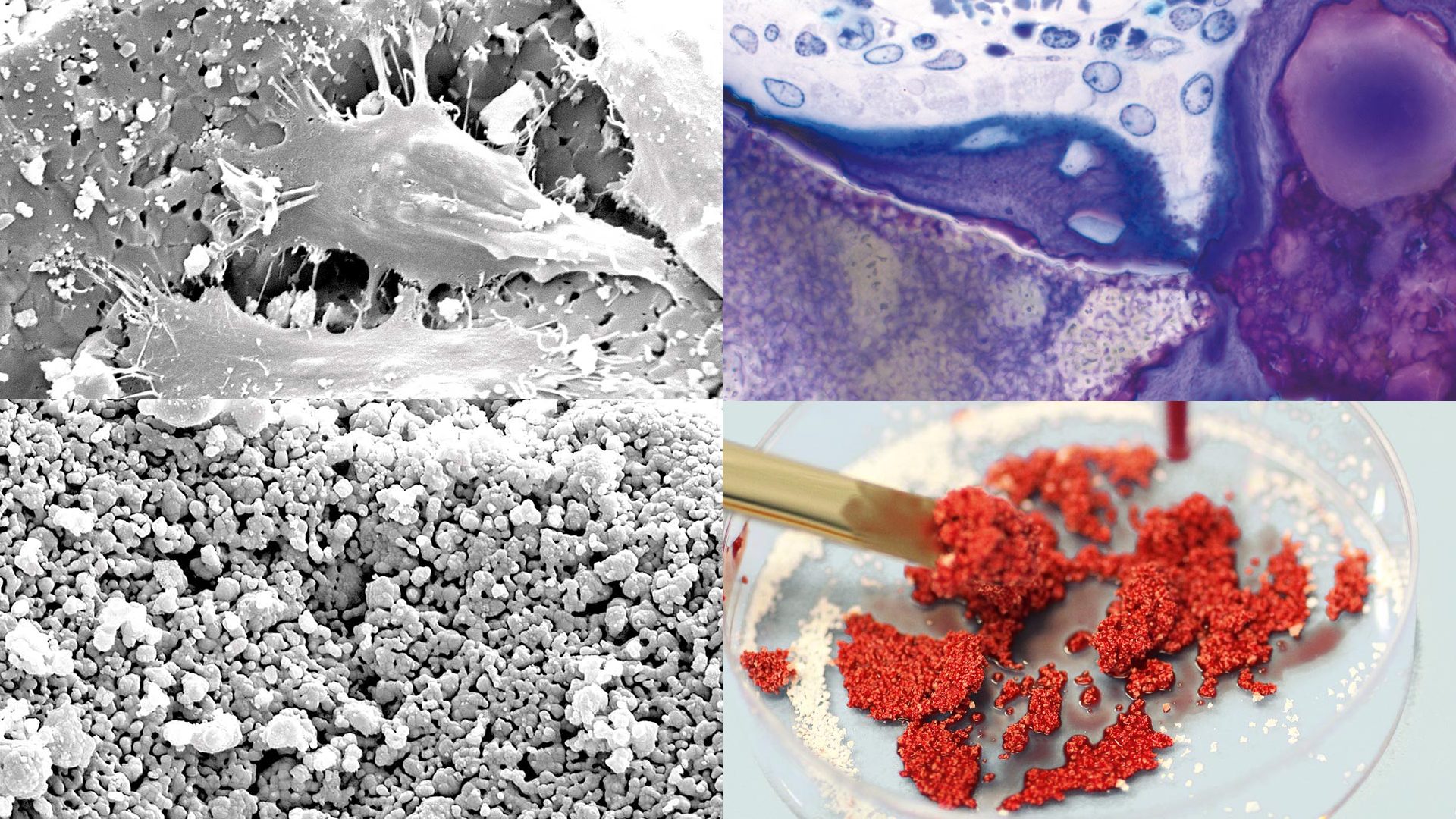
VERY ROUGH AND HYDROPHILIC SURFACE
100% SYNTHETIC AND RESORBABLE
IDEAL OSTEOCONDUCTIVE PROPERTIES
Properties & Advantages
Indications
Privacy Policy
Advantages of Calcium Phosphate-Based Materials
Having a similar chemical composition to that of the human bone, calcium phosphate ceramics are characterized by an excellent biocompatibility and no foreign body reactions. In particular, the advantages of calcium phosphates lie in their bioactive and resorption properties, which allow them to support the attachment and proliferation of bone cells, thus undergoing a natural remodeling; this process involves osteoblasts and osteoclasts and is characterized by an initial integration of the material into the surrounding bone matrix followed by a gradual degradation. The most used calcium phosphates are hydroxyapatite (HA), alpha-tricalcium phosphate (α-TCP) and beta-tricalcium phosphate (β-TCP). Typically, HA shows the slowest solubility, therefore providing the highest stability, while β-TCP demonstrates a higher solubility and faster resorption kinetics. maxresorb® is a homogenous biphasic biomaterial containing 60% HA and 40% β-TCP.
Maxresorb: The Ideal Mix of Hydroxyapatite (HA) and Beta-Tricalcium Phosphate (Β-TCP)
An ideal bone regeneration material should be slowly resorbed while new bone matrix is formed. The basic principle of maxresorb® and, more in general, of biphasic calcium phosphates, is to achieve a balance between the properties of hydroxyapatite (HA) and beta-tricalcium phosphate (β-TCP). Pure β-TCP resorbs quite fast due to high solubility and therefore, may not offer sufficient volume stability for larger augmentative procedures. On the other hand, pure synthetic HA resorbs very slowly and some studies have demonstrated the inferior osteoconductivity of synthetically produced HA when used alone. By mixing HA and β-TCP the advantages of both materials are combined to achieve a material with good osteoconductive as well as resorption properties 8. Studies have shown that the optimal HA/ β-TCP ratio lies between 65:35 and 55:45 1, 2, 9. Therefore, maxresorb® with its biphasic composition of 60% HA and 40% β-TCP offers and optimal balance between resorption and stability. Bone regeneration materials based on mixtures of HA and β-TCP have been successfully applied in dental regenerative surgery for more than 20 years.
Controlled Remodeling of Maxresorb®
maxresorb® exhibits a controlled remodeling within about 2 to 3 years. Following implantation, the particles are first integrated into the forming bone, but then are gradually resorbed and remodeled. The β-TCP component remodels within 3-6 months while the HA component resorbs much slower within >2 years.
Controlled Full Resorption of Maxresorb®
In particular, pure ß-TCP resorbs very rapidly, i.e. within a few weeks from the initial insertion. In contrast, pure synthetic HA is characterized by a very slow resorption and sometimes soft tissue encapsulation. Thus, the combination of HA and ß-TCP in maxresorb® offers the advantages of both materials, with a final biomaterial that shows excellent osteoconductivity. While the fast resorption of β-TCP (within about 3 months) quickly offers space for new bone formation, the HA component provides volume stability for an extended time period (resorption within 2-3 years).
Advantages of Maxresorb® Compared to Xenogeneic Bone Substitutes
• maxresorb® is a 100% synthetic, thus very safe biomaterial (not even theoretical risk of disease transmission with regard to raw material)
• Its use is not restricted by dietary or religious conflicts
• Valid synthetic alternative to xenografts with regards to indications and handling
• Composition and structure of synthetic bone grafts can be designed to obtain optimal material characteristics:
– The micro-/macrostructure of maxresorb® is rationally designed to provide the ideal properties of a bone substitute, naming high porosity, interconnected pores and very rough, hydrophilic surface
– Owing to its synthetic, biphasic composition, maxresorb® is characterized by a controlled resorption and full remodeling potential. After about 2-3 years the material will be replaced by patients’ own bone
NOVAMag® membrane
Resorbable Magnesium Membrane
Jason® membrane
Native Pericardium GRB/GTR Membrane
maxgraft® granules
Processed Human Allograft
maxgraft® blocks
Processed Human Allograft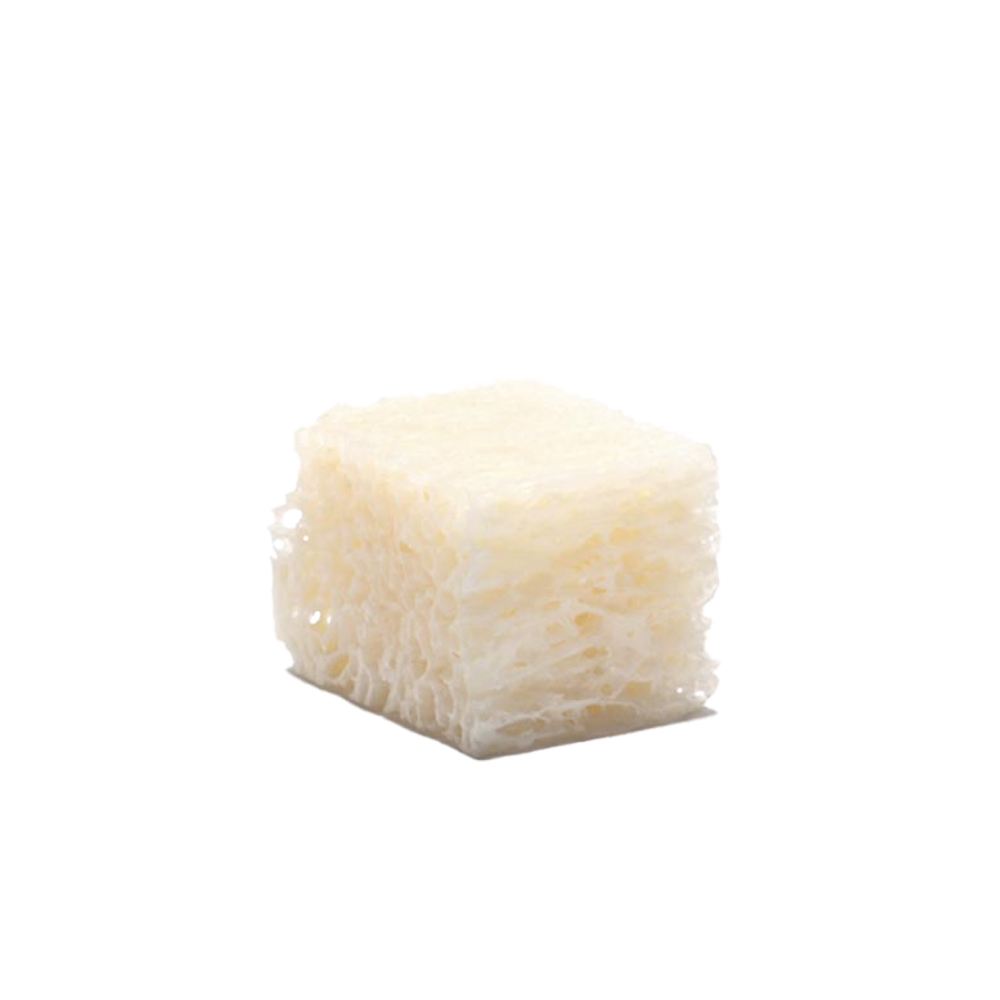
maxgraft® cortico
Bone augmentation with the shell technique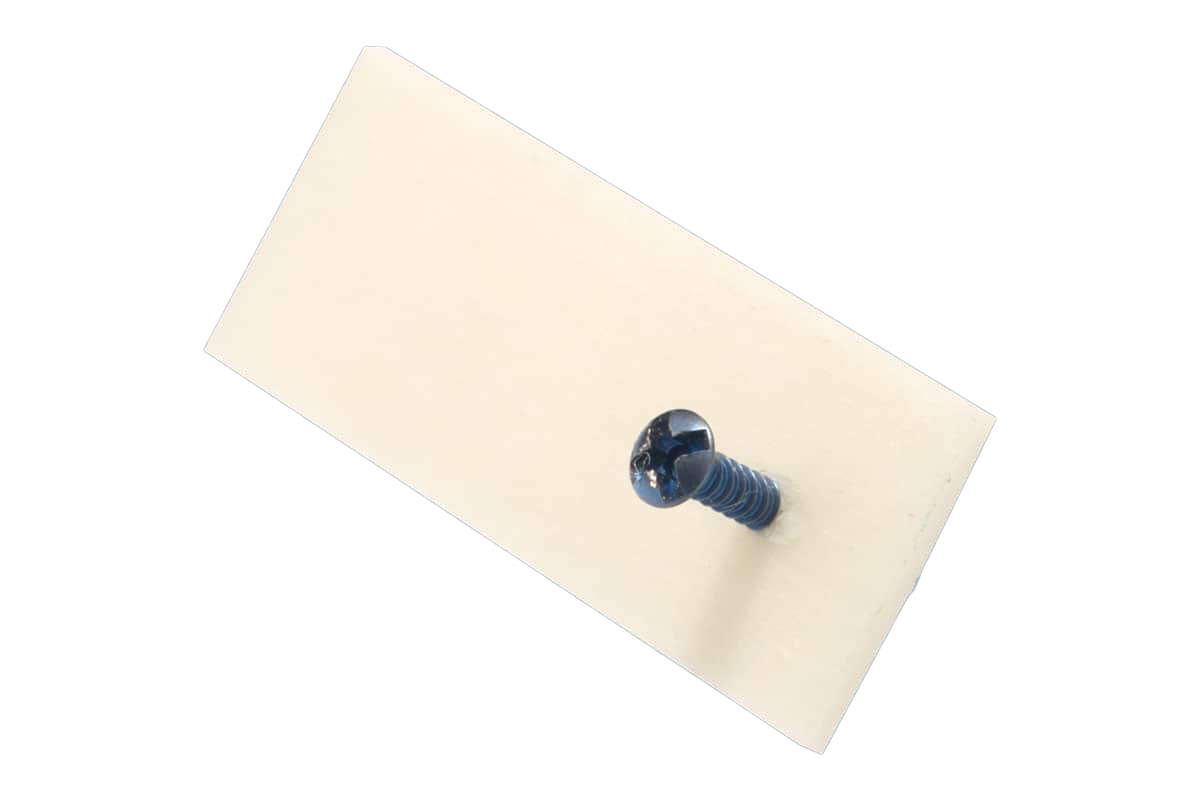
maxgraft® bonebuilder
Customized Allogenic bone block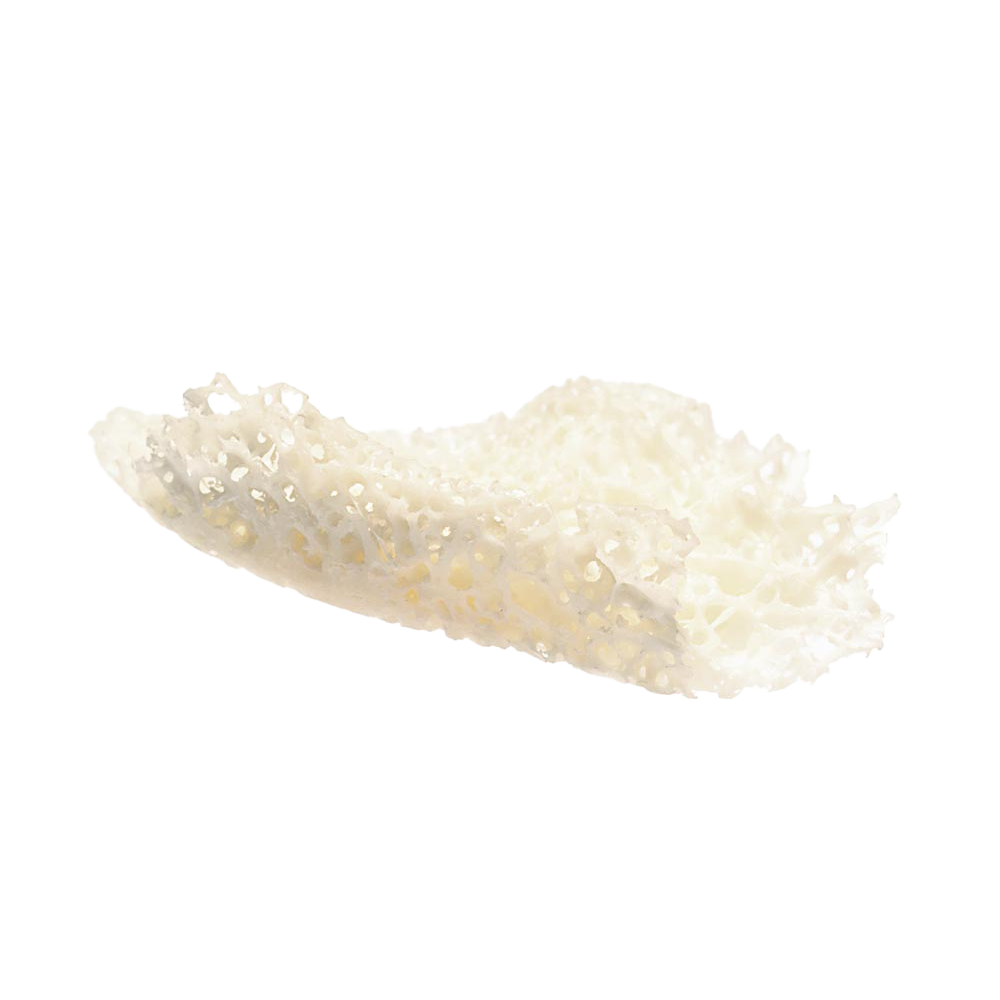
NOVAMag® fixation screw
Resorbable magnesium screws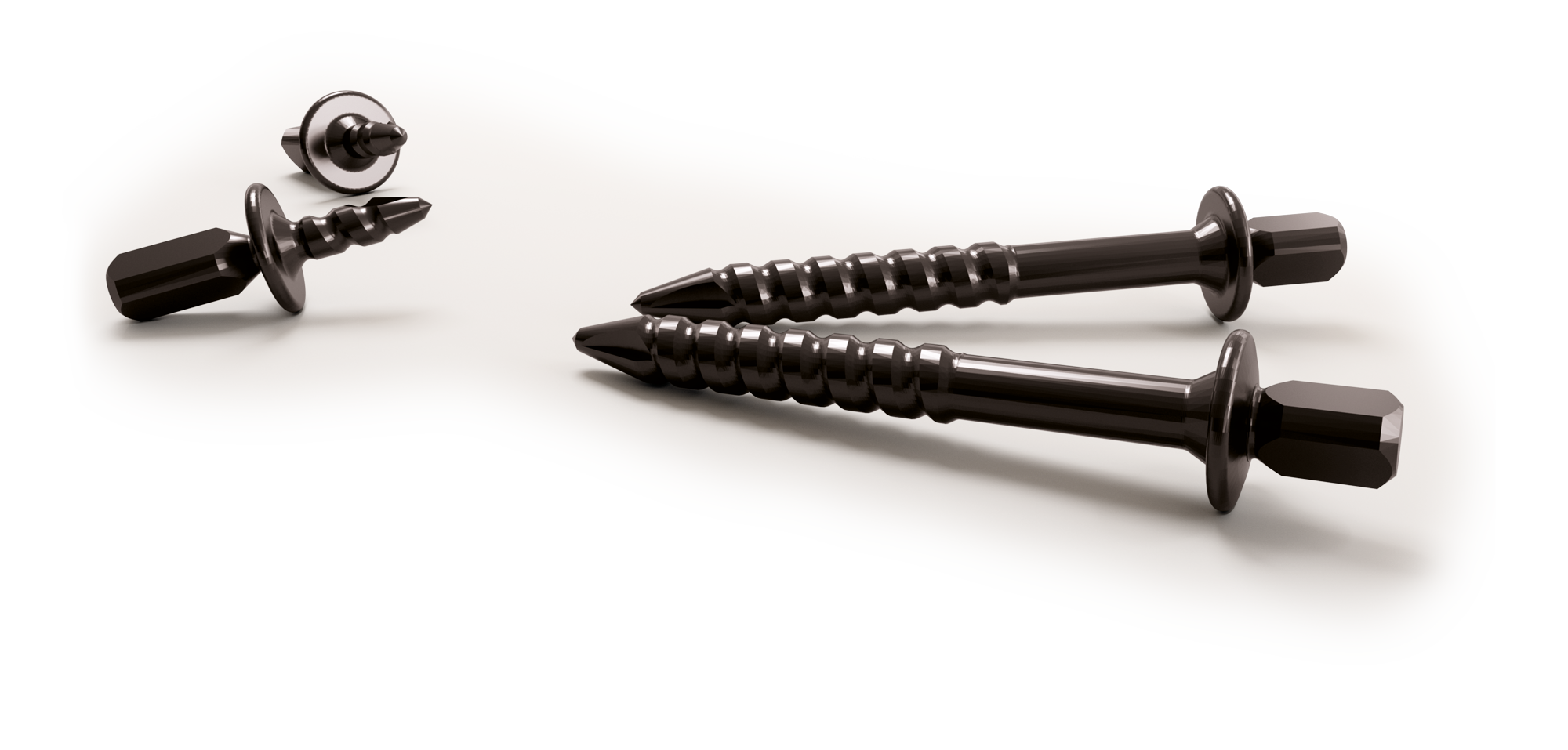
mucoderm®
Acellular dermal collagen matrix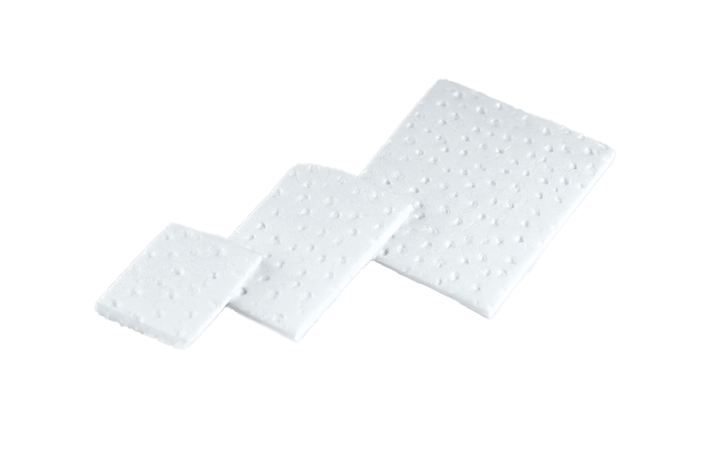
collafleece®
Resorbable collagen for wound management
collacone®
High-Density PTFE Barrier Membrane