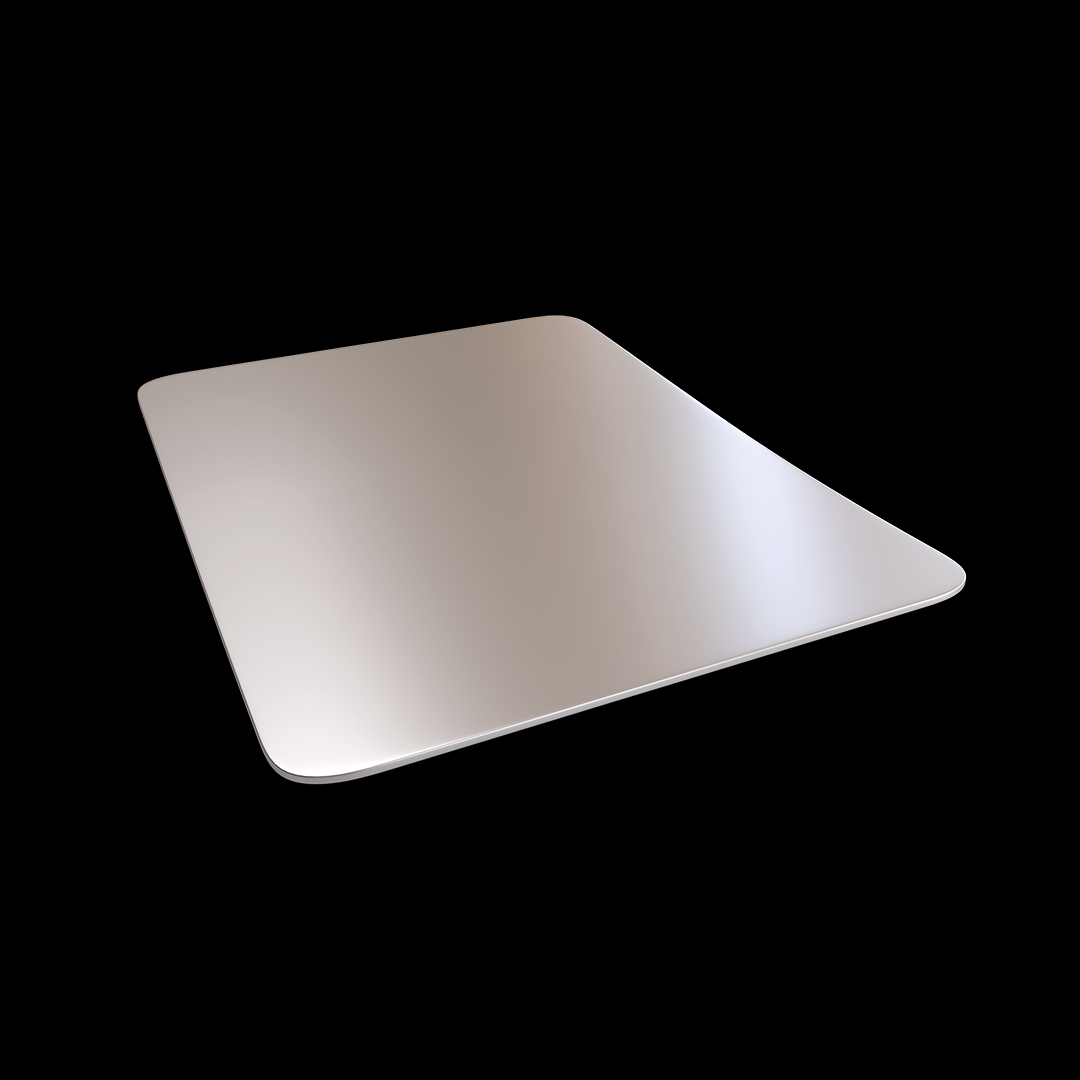
Resorbable magnesium membrane
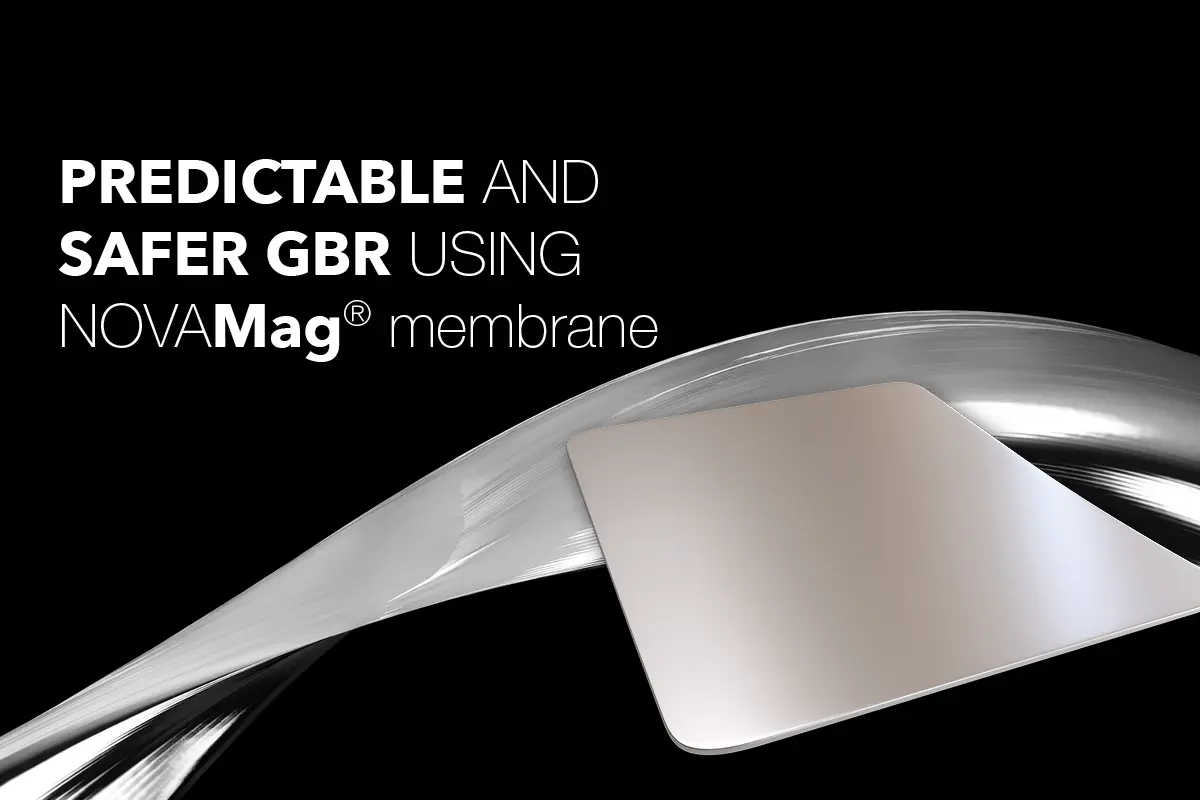
The magnesium membrane is strong and resorbable at the same time. It can be trimmed to size and shaped for treating individual bone defects. Because the NOVAMag® membrane is completely resorbed within a few months after implantation, a second surgical intervention to remove the membrane is not necessary
RESORBABLE BARRIER MEMBRANE
BIODEGRADABLE METAL
CONTROLLED DEGRADATION
Properties & Advantages
Indications
Privacy Policy
WHAT ARE BIODEGRADABLE METALS?
Biodegradable metals are a class of metal that when implanted will gradually degrade and be completely resorbed. The degradation products are then metabolized by the human body.
HOW DOES THE NOVAMAG® MEMBRANE DEGRADE?
The NOVAMag® membrane has a smooth and shiny surface. Immediately upon implantation, the membrane begins to degrade. The degradation process creates a rough surface that improves the adhesion of the soft tissues.
As the magnesium metal degrades, magnesium salts and hydrogen gas are formed at the surface. The combination of the magnesium metal and the magnesium salts provide an effective barrier during the critical healing period. In some instances, hydrogen gas slightly tents the soft tissue above the NOVAMag® membrane, thereby providing as an additional barrier without affecting bone regeneration.
The NOVAMag® membrane will be completely degraded within a few months after its implantation.
IS IT NORMAL FOR GAS TO DEVELOP AT THE IMPLANTATION SITE?
During the degradation of the magnesium metal, the metallic structure is transformed into magnesium salts and a small volume of hydrogen gas is released. A small accumulation of the gas may collect around each device and is visible in X-rays. The release of hydrogen gas might present as a slight swelling of the soft tissues.
The magnesium salts keep the original shape and position of the membrane until they are resorbed by the body, whereas the small volume of hydrogen gas initially provides a slight tenting of the soft tissue. Both of these degradation by-products continue to maintain a separation of the soft and hard tissues as a second phase to the barrier functionality of the membrane until they are resorbed by the body.
HOW LONG DOES THE MEMBRANE PROVIDE A BARRIER FUNCTION?
Animal studies have shown that NOVAMag® membrane is usually resorbed within 8-16 weeks after implantation. In an in-vivo performance study, a similar barrier function was observed in comparison to a collagen membrane, with similar volumes of new bone and soft tissue within the defect at every timepoint.
WHAT KIND OF FIXATION SYSTEM IS REQUIRED FOR THE NOVAMAG® MEMBRANE?
It is recommended that the NOVAMag® membrane is secured using the NOVAMag® fixation screw XS. In some instances the NOVAMag® membrane can also be secured using the NOVAMag® fixation screw S-XL.
However, it is also possible to use the Membrane Fixation Screw, USTOMED Instrumente Ulrich Storz GmbH & Co. KG or the Pro-fix™ Precision Fixation System, Osteogenics Biomedical Inc.
WHAT SHALL I DO IN CASE OF A DEHISCENCE?
For instances of exposure, it is recommended that special care is taken for controlling oral hygiene, rinsing the area with e.g. CHX solutions, and avoiding acidic food and/or drink as well as smoking. No additional treatment measures for the soft tissue is required. Cases of small dehiscence should disappear after 2-3 weeks. There is no need for membrane removal in the case of localized exposure.
Upon exposure, the membrane can appear dark grey/ black in colour, which happens normally during the degradation process.
NOVAMag® membrane
Resorbable Magnesium Membrane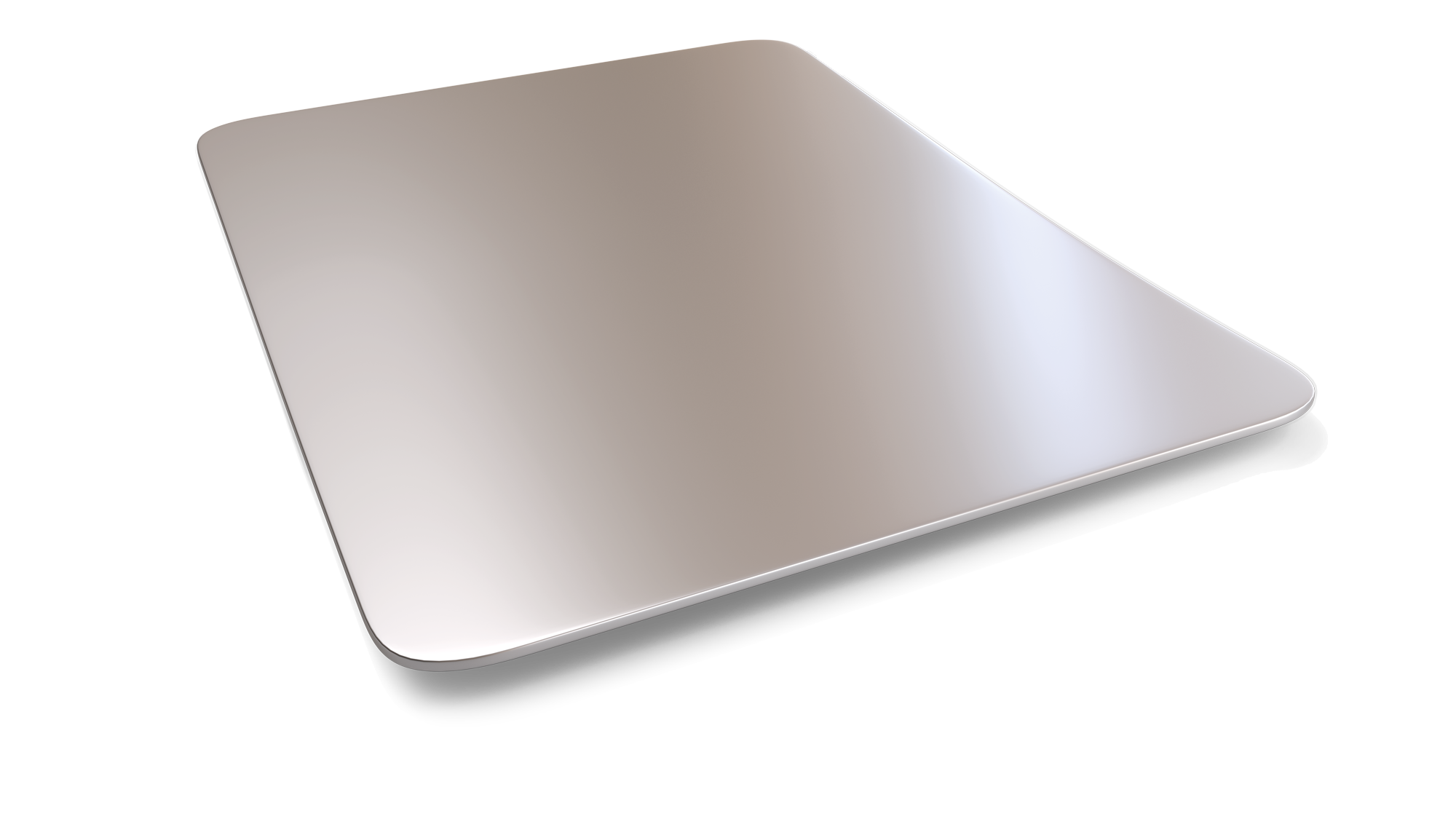
Jason® membrane
Native Pericardium GRB/GTR Membrane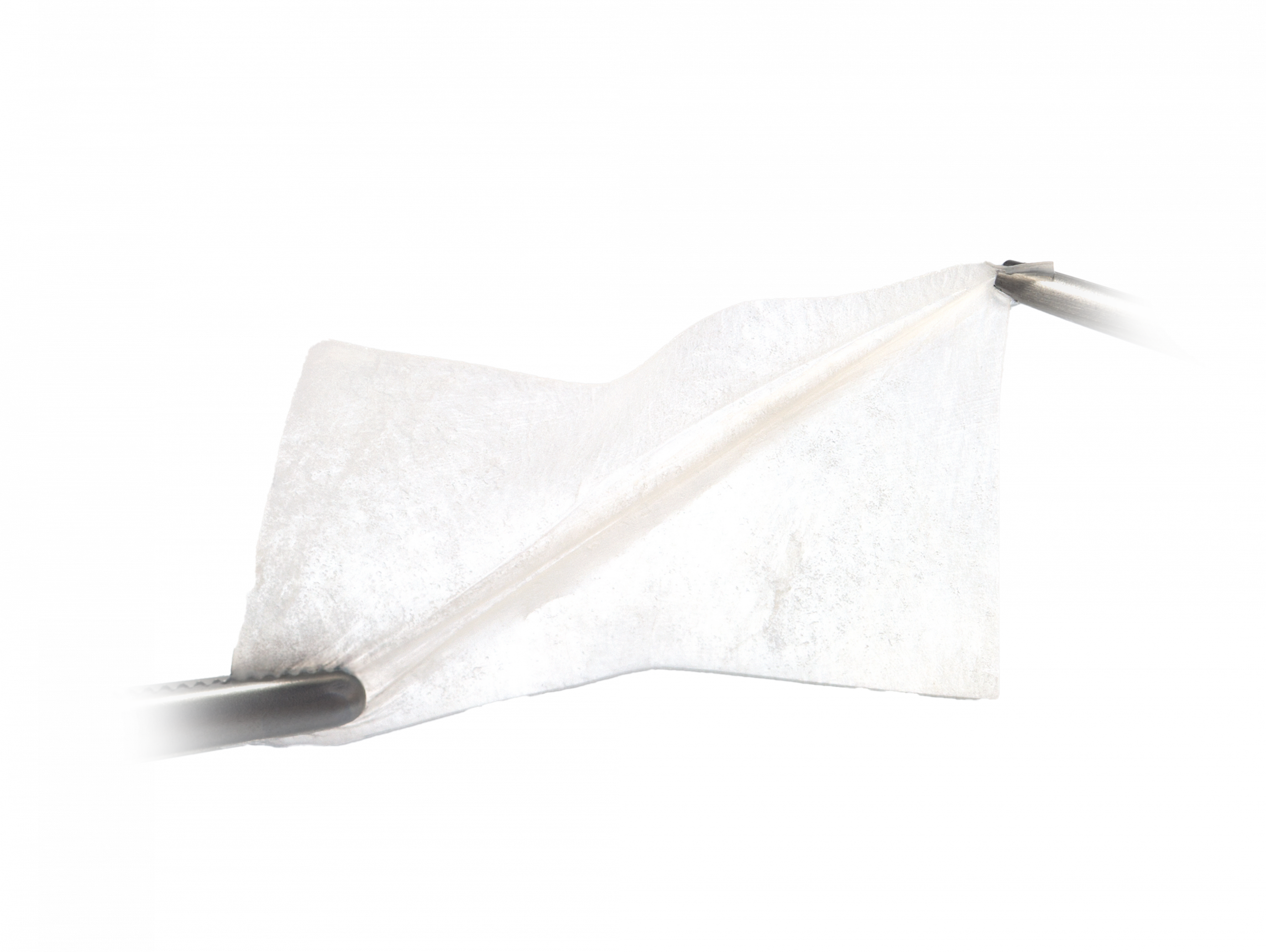
maxgraft® granules
Processed Human Allograft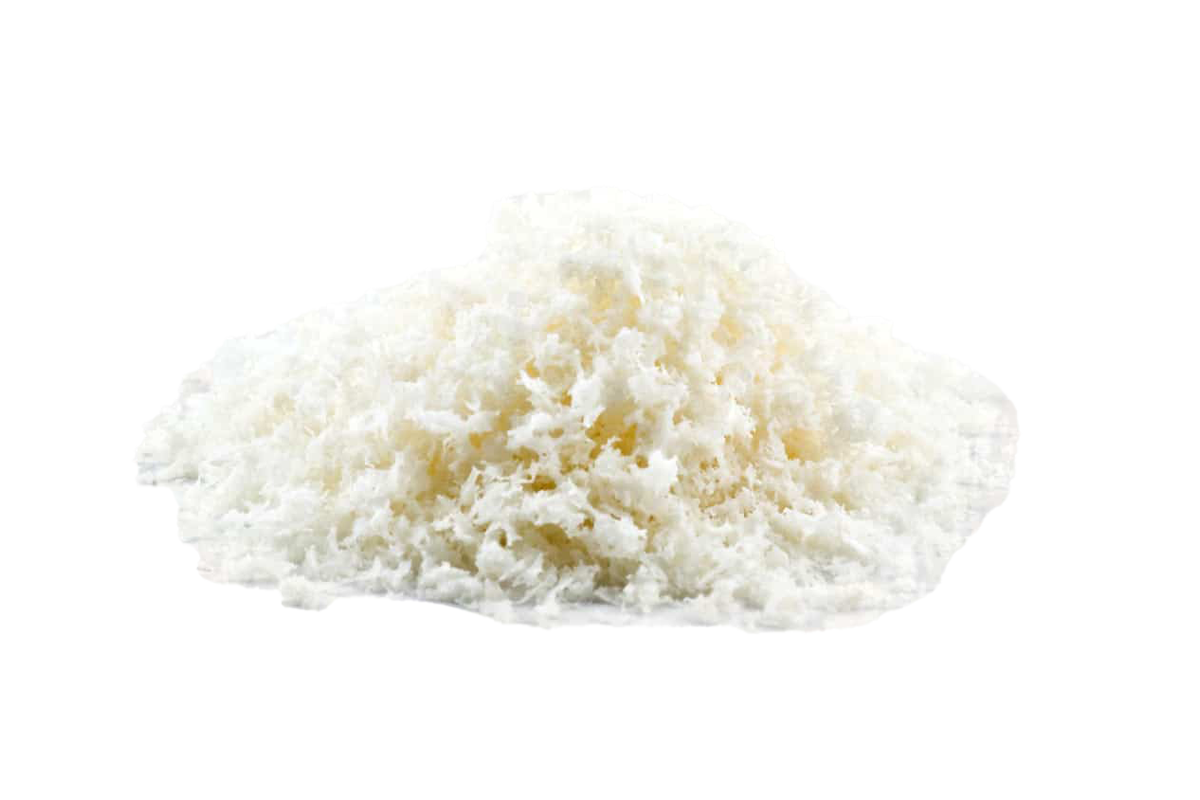
maxgraft® blocks
Processed Human Allograft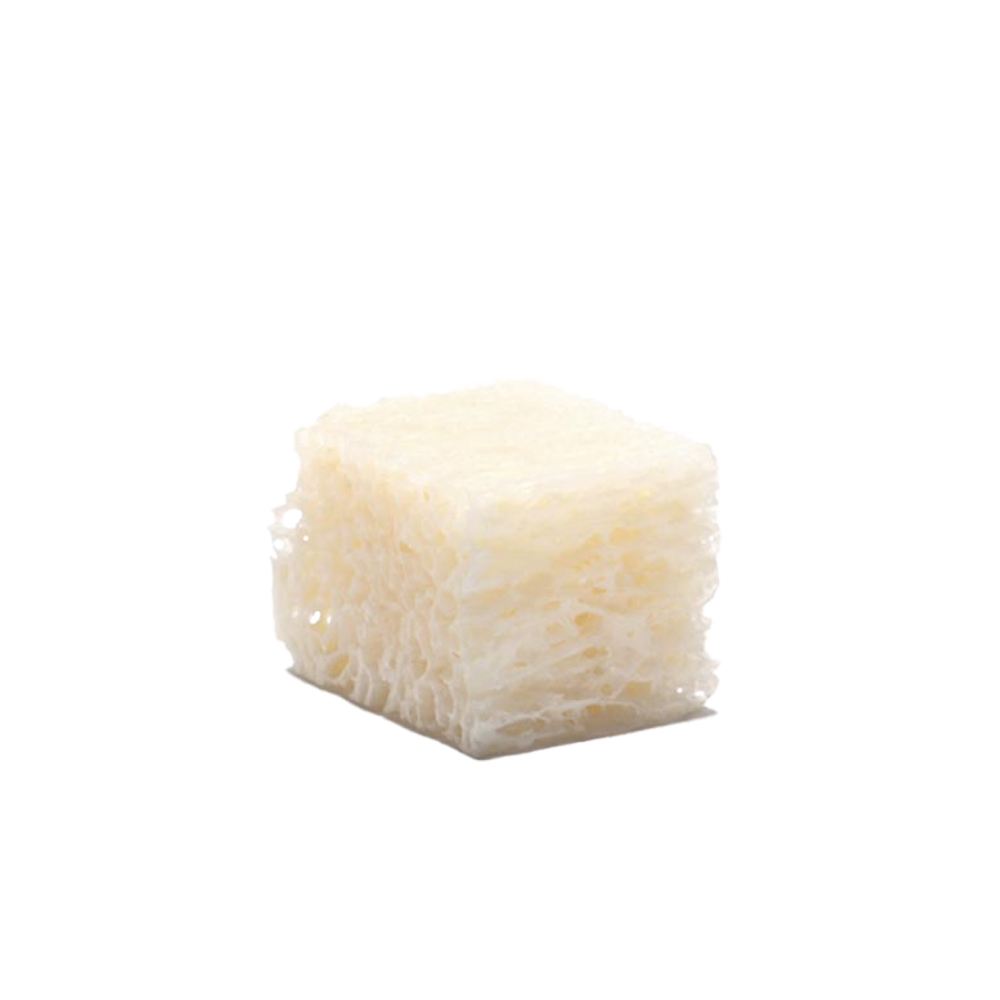
maxgraft® cortico
Bone augmentation with the shell technique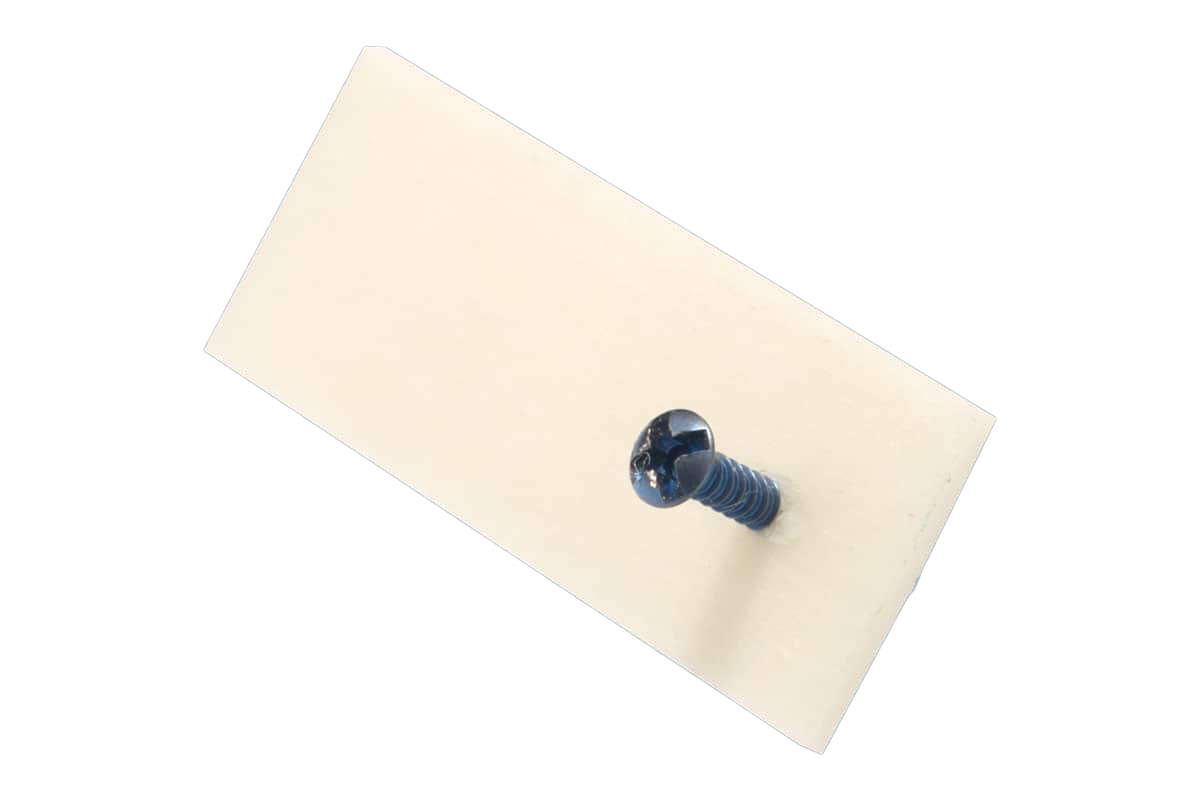
maxgraft® bonebuilder
Customized Allogenic bone block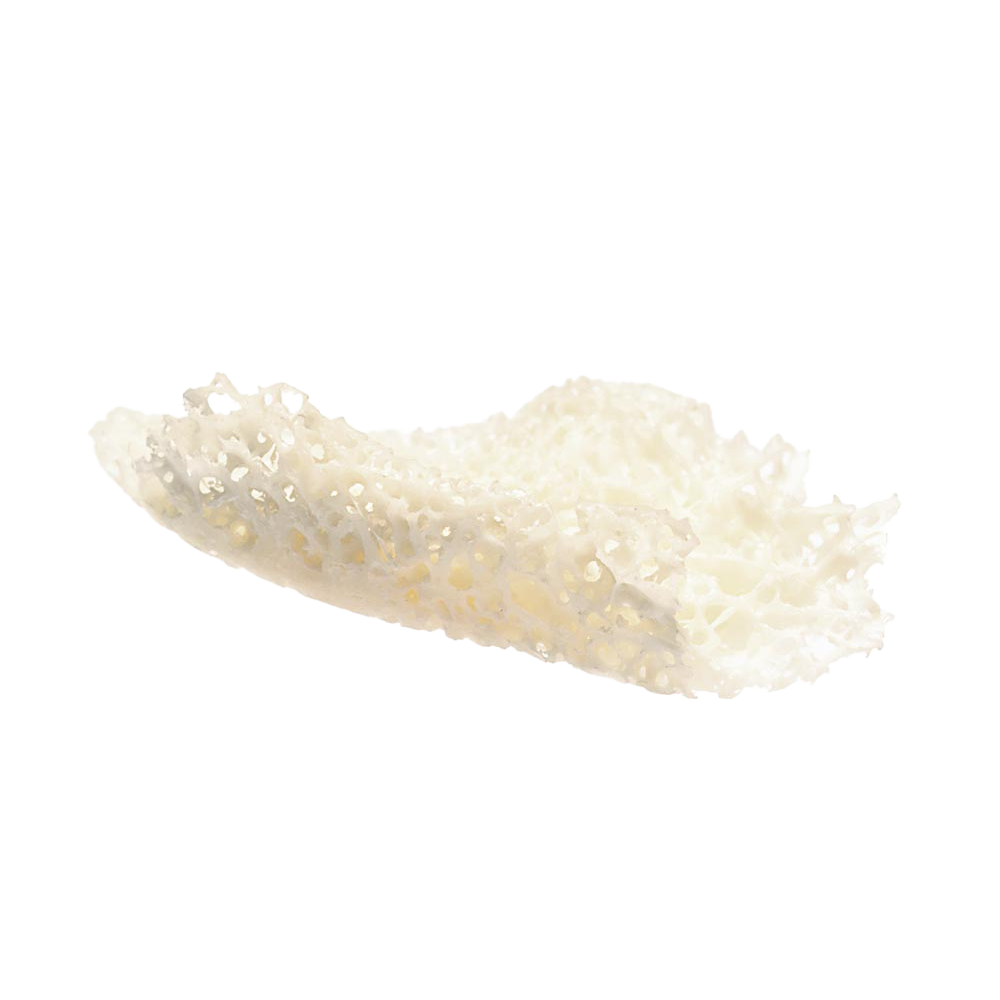
NOVAMag® fixation screw
Resorbable magnesium screws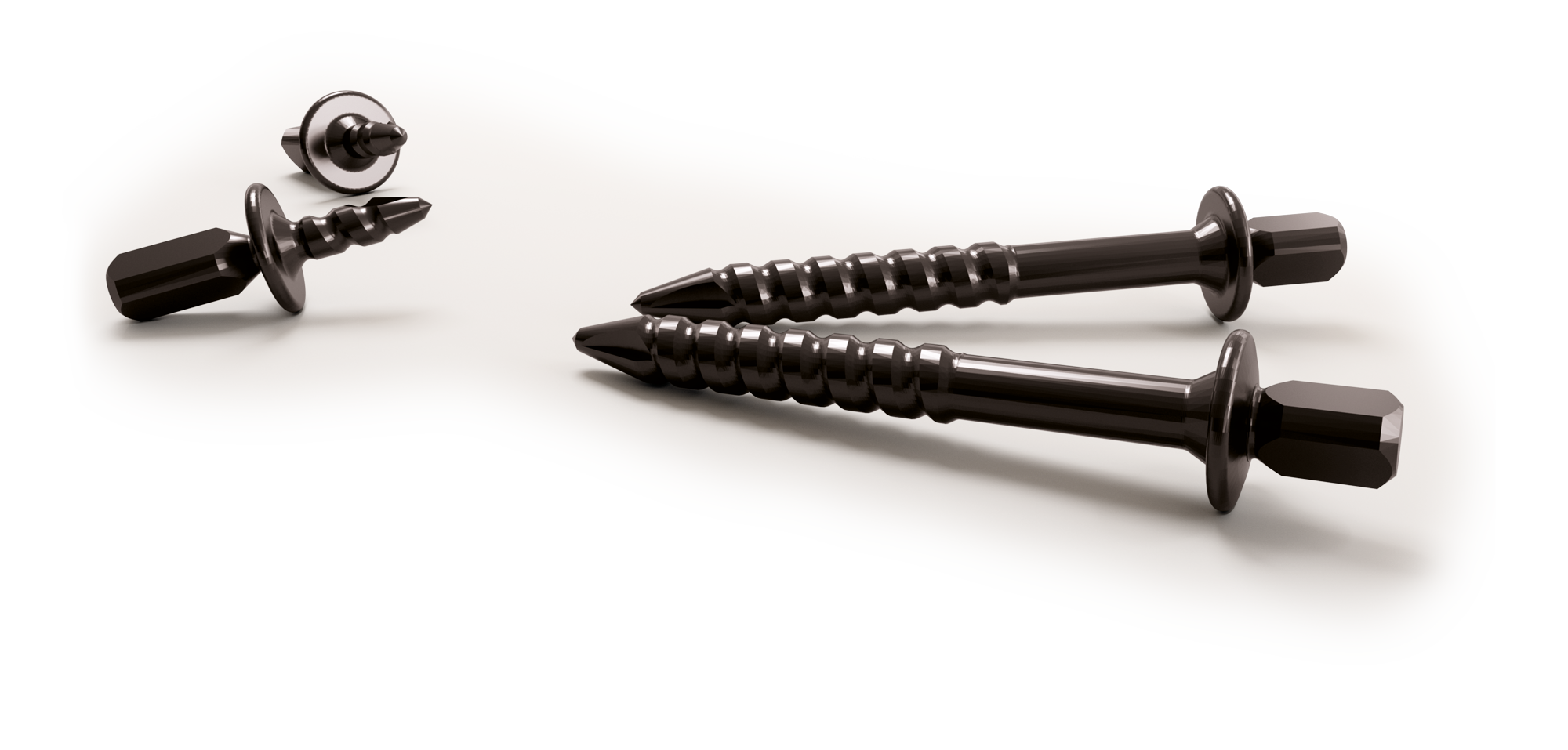
mucoderm®
Acellular dermal collagen matrix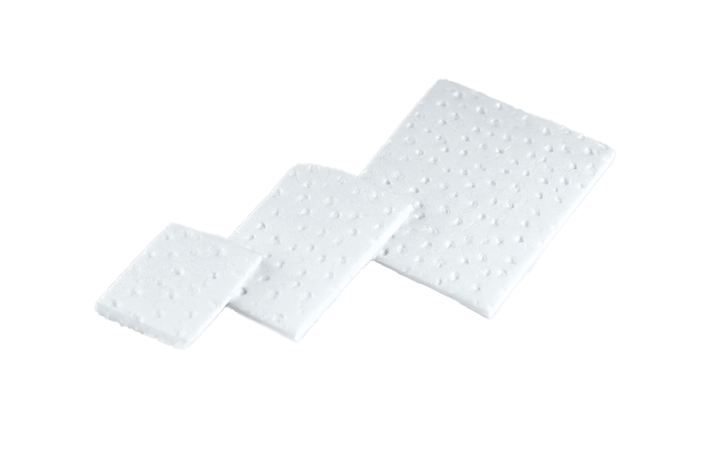
collafleece®
Resorbable collagen for wound management
collacone®
High-Density PTFE Barrier Membrane