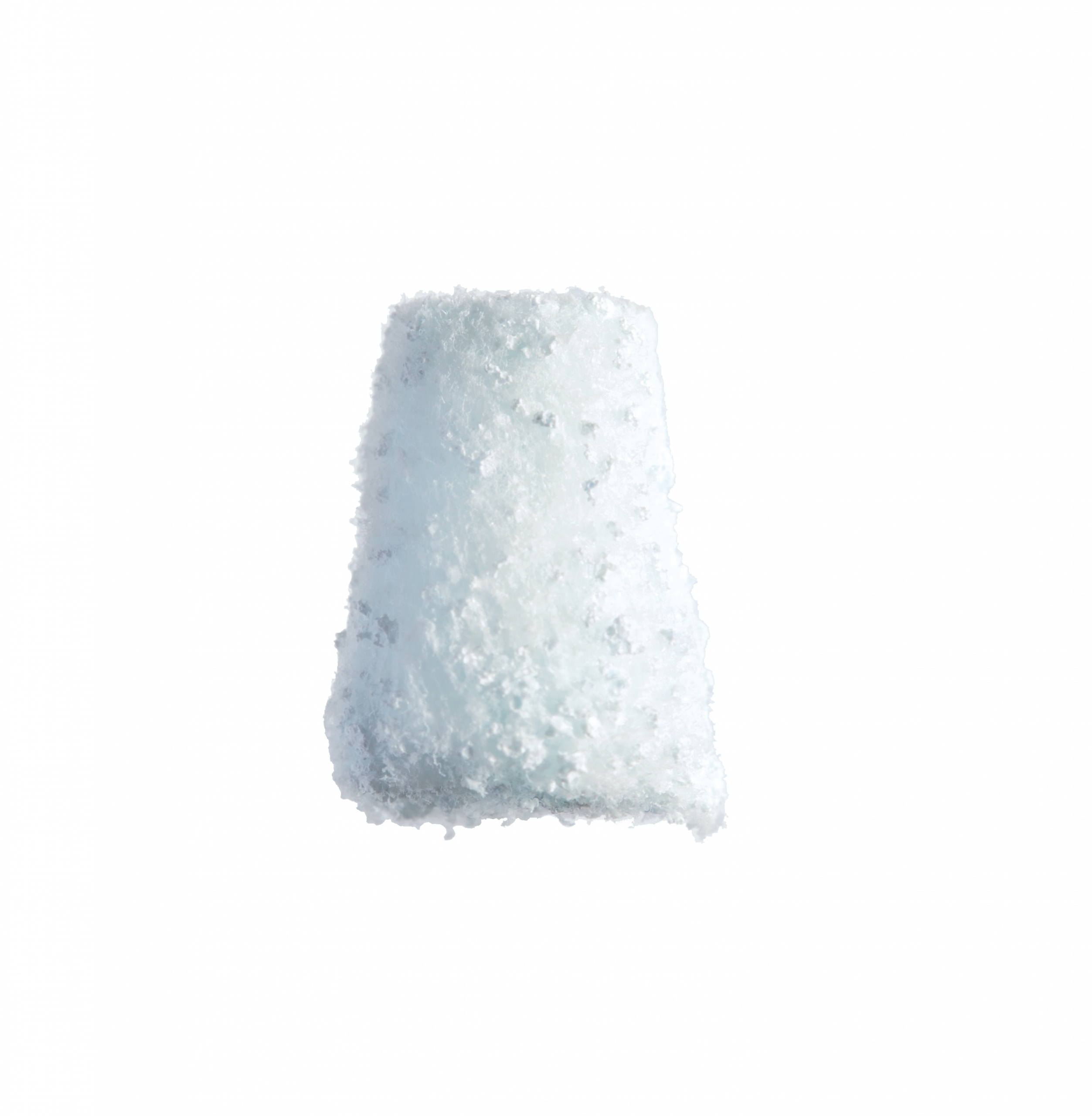
Resorbable Magnesium Shield for reduced invasiveness
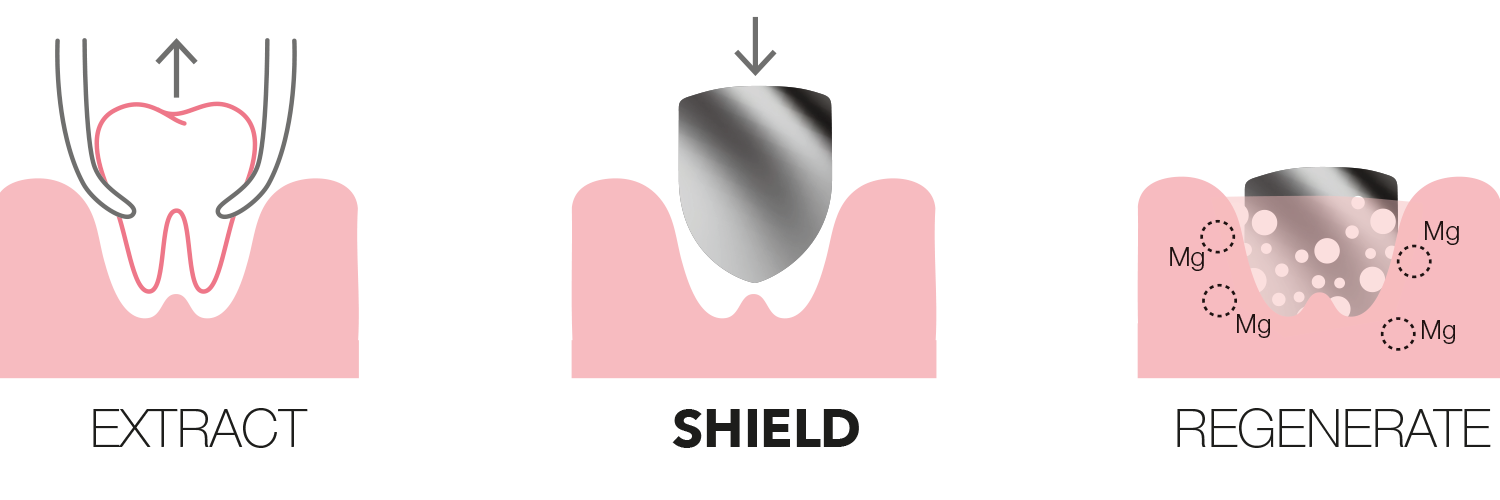
The fully resorbable NOVAMag® SHIELD introduces a pioneering solution for managing buccal and palatal wall defects. Utilizing a flapless approach without the need for membrane fixation, NOVAMag® SHIELD can be positioned between the soft tissue and bone, thus providing support to the bone graft material while reinforcing the structural integrity of the augmented site. The approach reduces the need for extensive bone grafting and promotes the preservation of the natural bone contour. By reconstructing alveolar walls, NOVAMag® SHIELD minimizes the risk of resorption in the buccal and palatal plates, ultimately enhancing the success of implant procedures.
COMPLETELY RESORBABLE
BUT VOLUME STABLE
REDUCED INVASIVENESS
The ideal choice for dental recovery tailored for post-extraction care
Properties & Advantages
Indications
Privacy Policy
WHAT ARE BIODEGRADABLE METALS?
Biodegradable metals are a class of metal that when implanted will gradually degrade and be completely resorbed. The degradation products are then metabolized by the human body.
HOW DOES THE NOVAMAG® SHIELD DEGRADE?
The NOVAMag® SHIELD has a smooth and shiny surface. Immediately upon implantation, the membrane begins to degrade. The degradation process creates a rough surface that improves the adhesion of the soft tissues.
As the magnesium metal degrades, magnesium salts and hydrogen gas are formed at the surface. The combination of the magnesium metal and the magnesium salts provide an effective barrier during the critical healing period. In some instances, hydrogen gas slightly tents the soft tissue above the NOVAMag® SHIELD, thereby providing as an additional barrier without affecting bone regeneration.
IS IT NORMAL FOR GAS TO DEVELOP AT THE IMPLANTATION SITE?
During the degradation of the magnesium metal, the metallic structure is transformed into magnesium salts and a small volume of hydrogen gas is released. A small accumulation of the gas may collect around each device and is visible in X-rays. The release of hydrogen gas might present as a slight swelling of the soft tissues.
The magnesium salts keep the original shape and position of the membrane until they are resorbed by the body, whereas the small volume of hydrogen gas initially provides a slight tenting of the soft tissue. Both of these degradation by-products continue to maintain a separation of the soft and hard tissues as a second phase to the barrier functionality of the membrane until they are resorbed by the body.
WHAT SHALL I DO IN CASE OF A DEHISCENCE?
For instances of exposure, it is recommended that special care is taken for controlling oral hygiene, rinsing the area with e.g. CHX solutions, and avoiding acidic food and/or drink as well as smoking. No additional treatment measures for the soft tissue is required. Cases of small dehiscence should disappear after 2-3 weeks. There is no need for membrane removal in the case of localized exposure.
Upon exposure, the membrane can appear dark grey/ black in colour, which happens normally during the degradation process.
NOVAMag® membrane
Resorbable Magnesium Membrane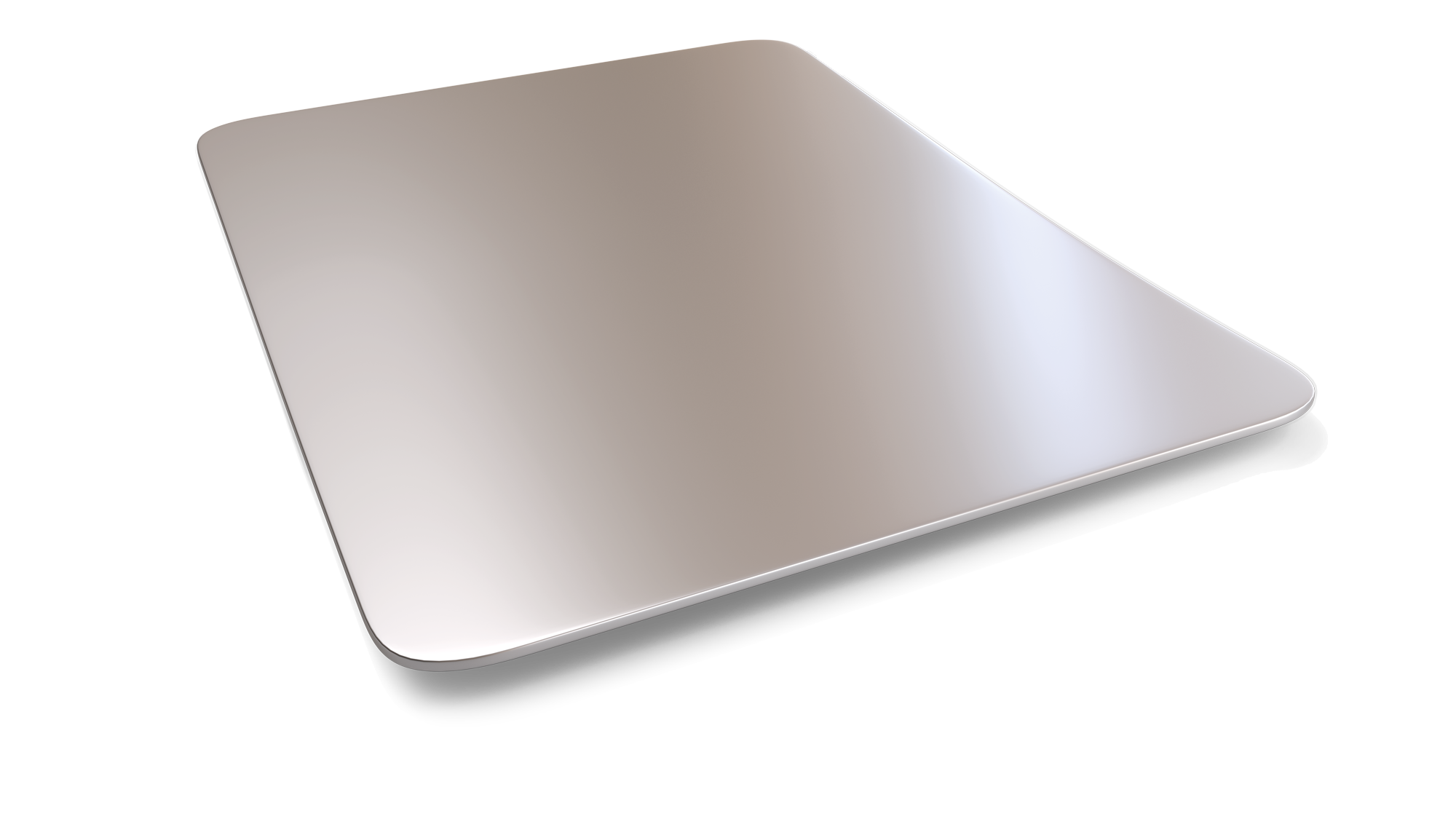
Jason® membrane
Native Pericardium GRB/GTR Membrane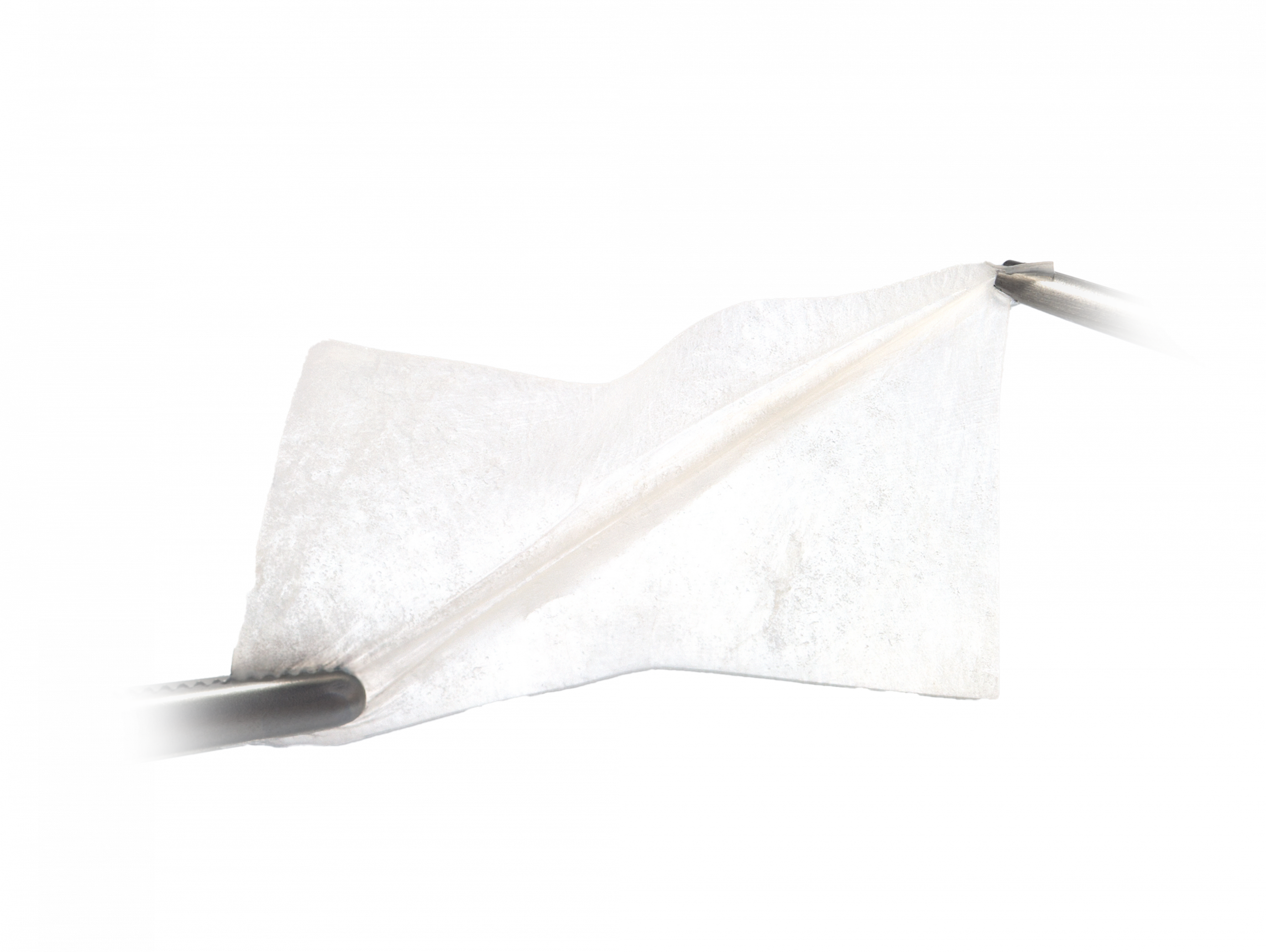
maxgraft® granules
Processed Human Allograft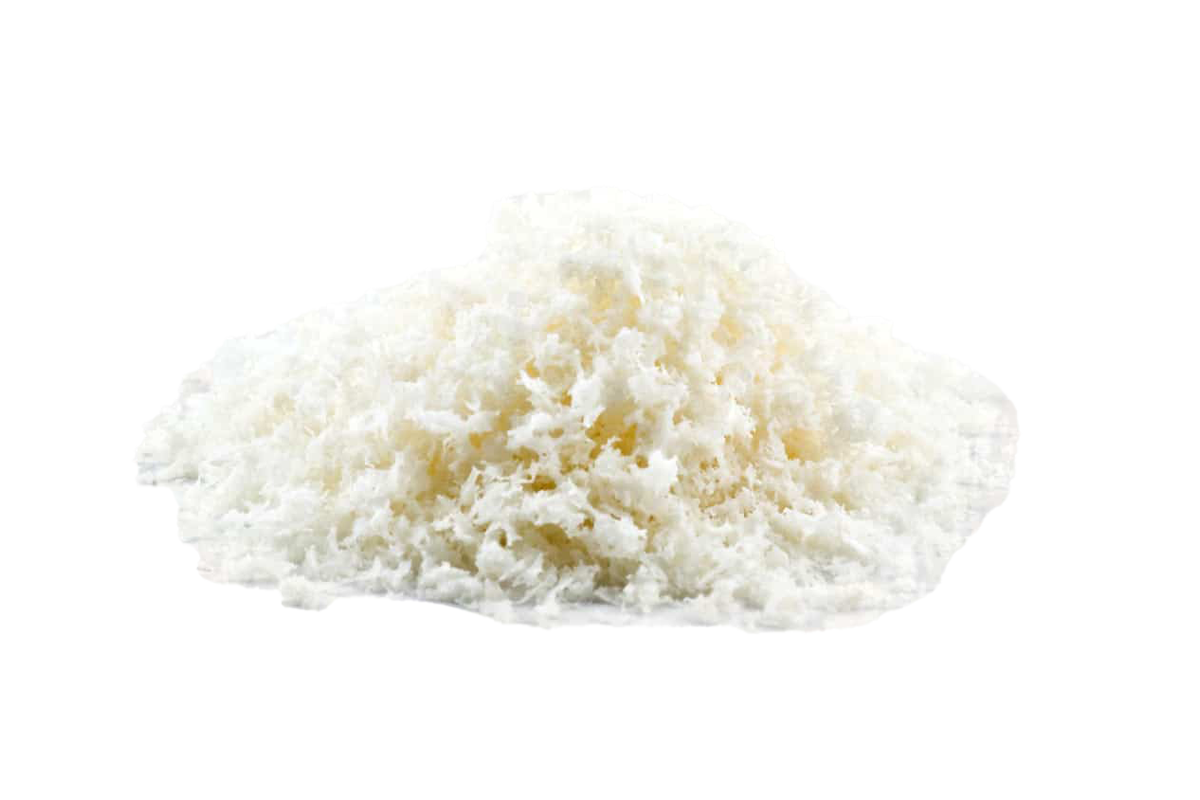
maxgraft® blocks
Processed Human Allograft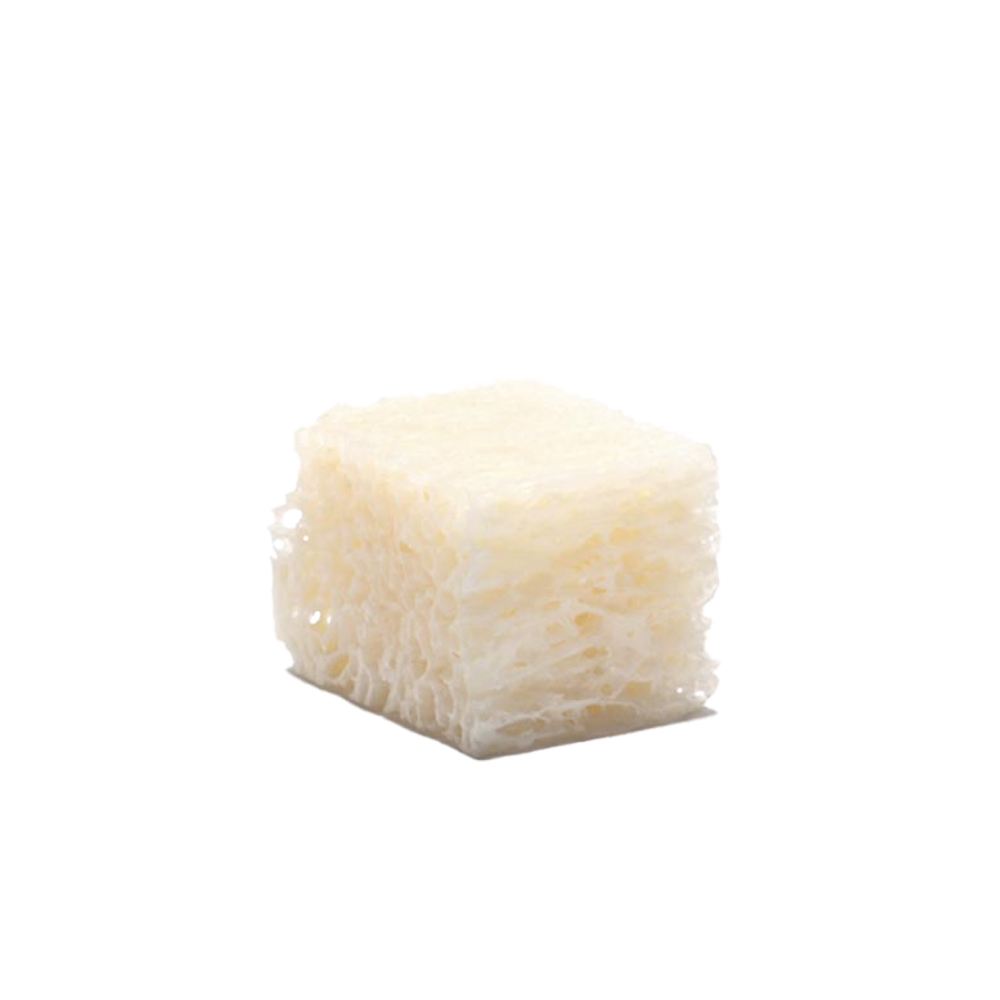
maxgraft® cortico
Bone augmentation with the shell technique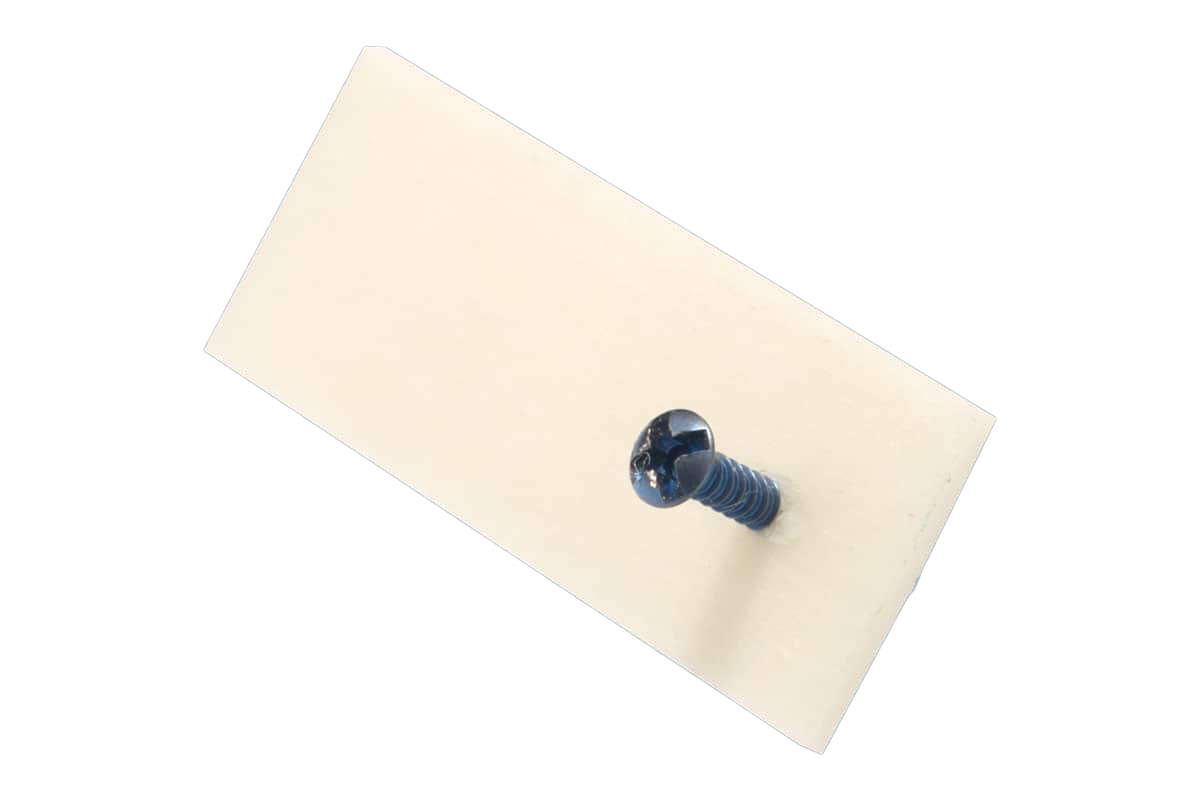
maxgraft® bonebuilder
Customized Allogenic bone block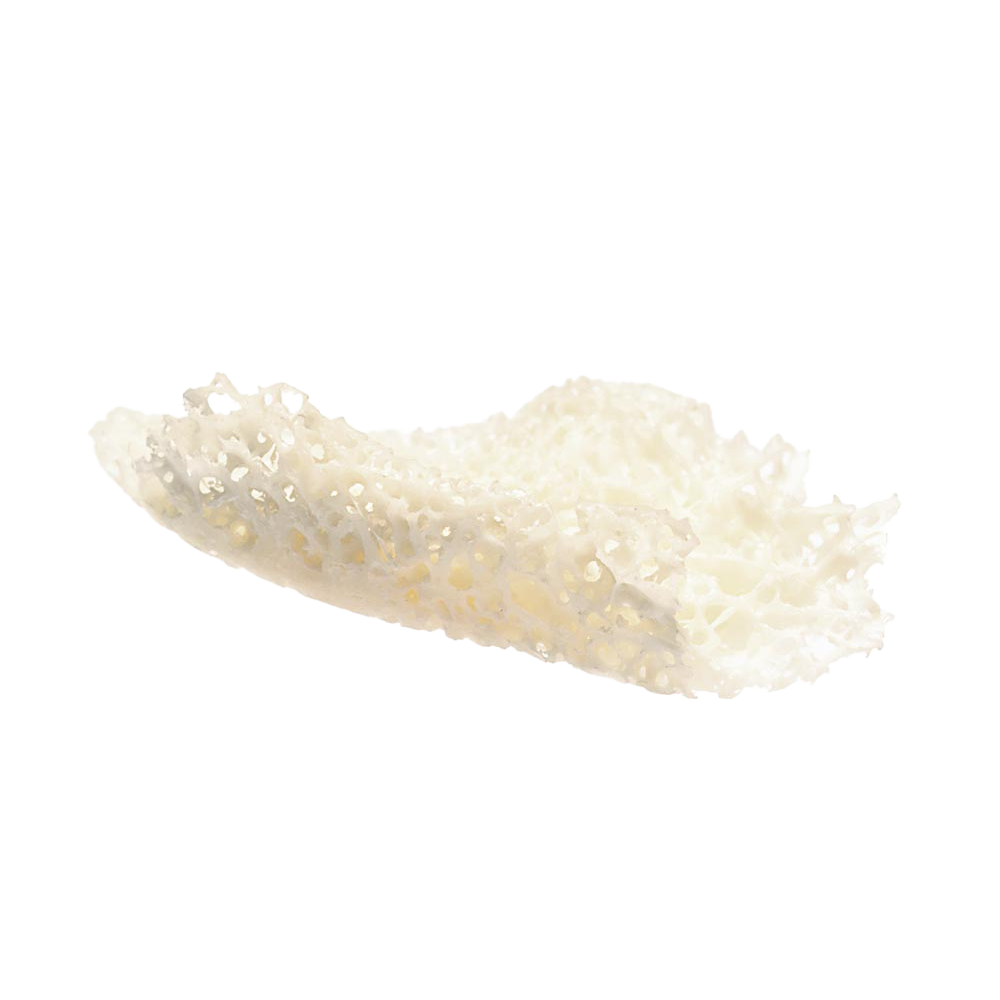
NOVAMag® fixation screw
Resorbable magnesium screws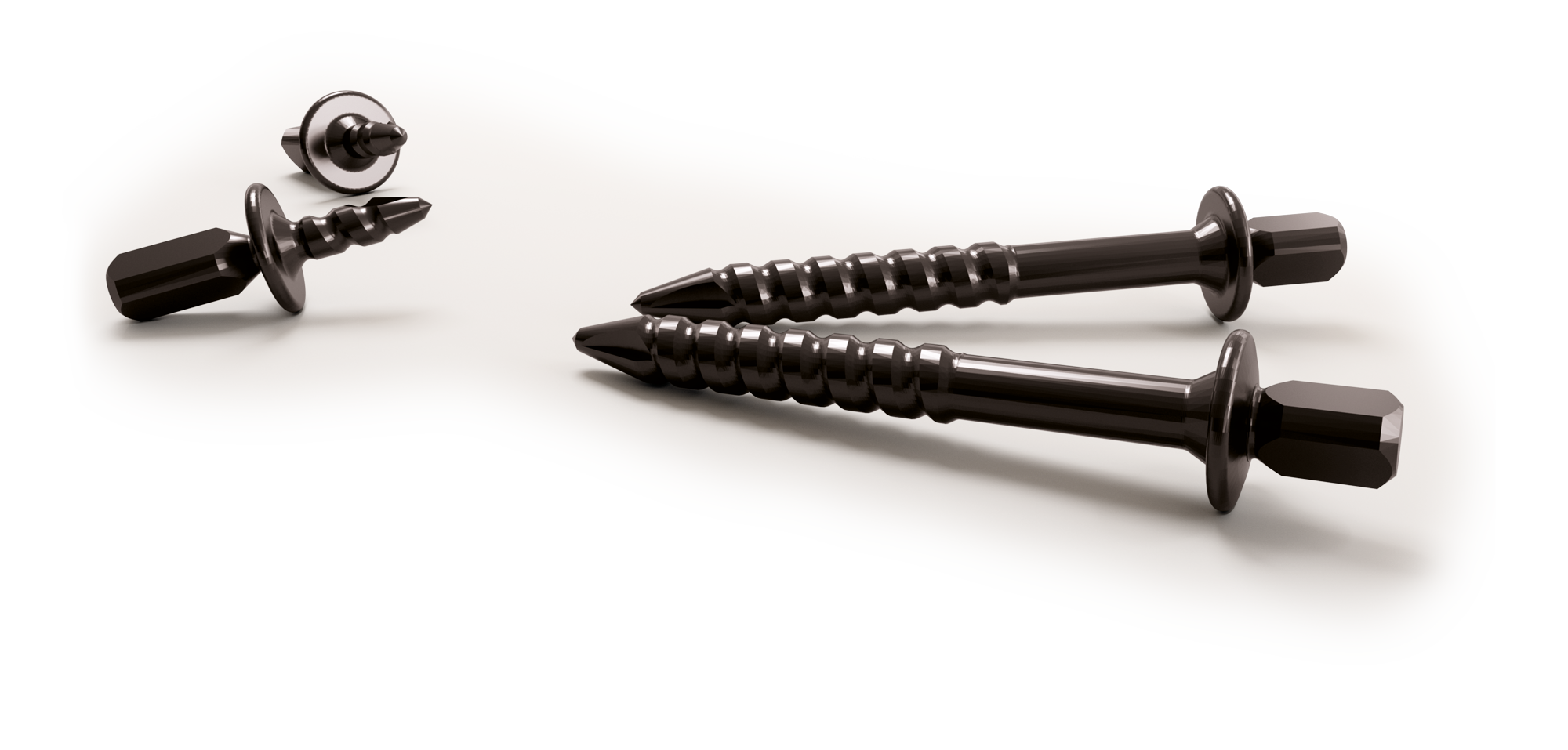
mucoderm®
Acellular dermal collagen matrix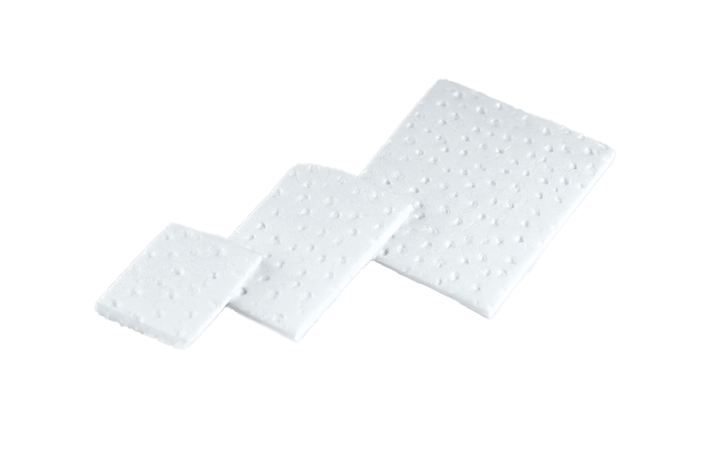
collafleece®
Resorbable collagen for wound management
collacone®
High-Density PTFE Barrier Membrane