Natural collagen cone for application in extraction sockets
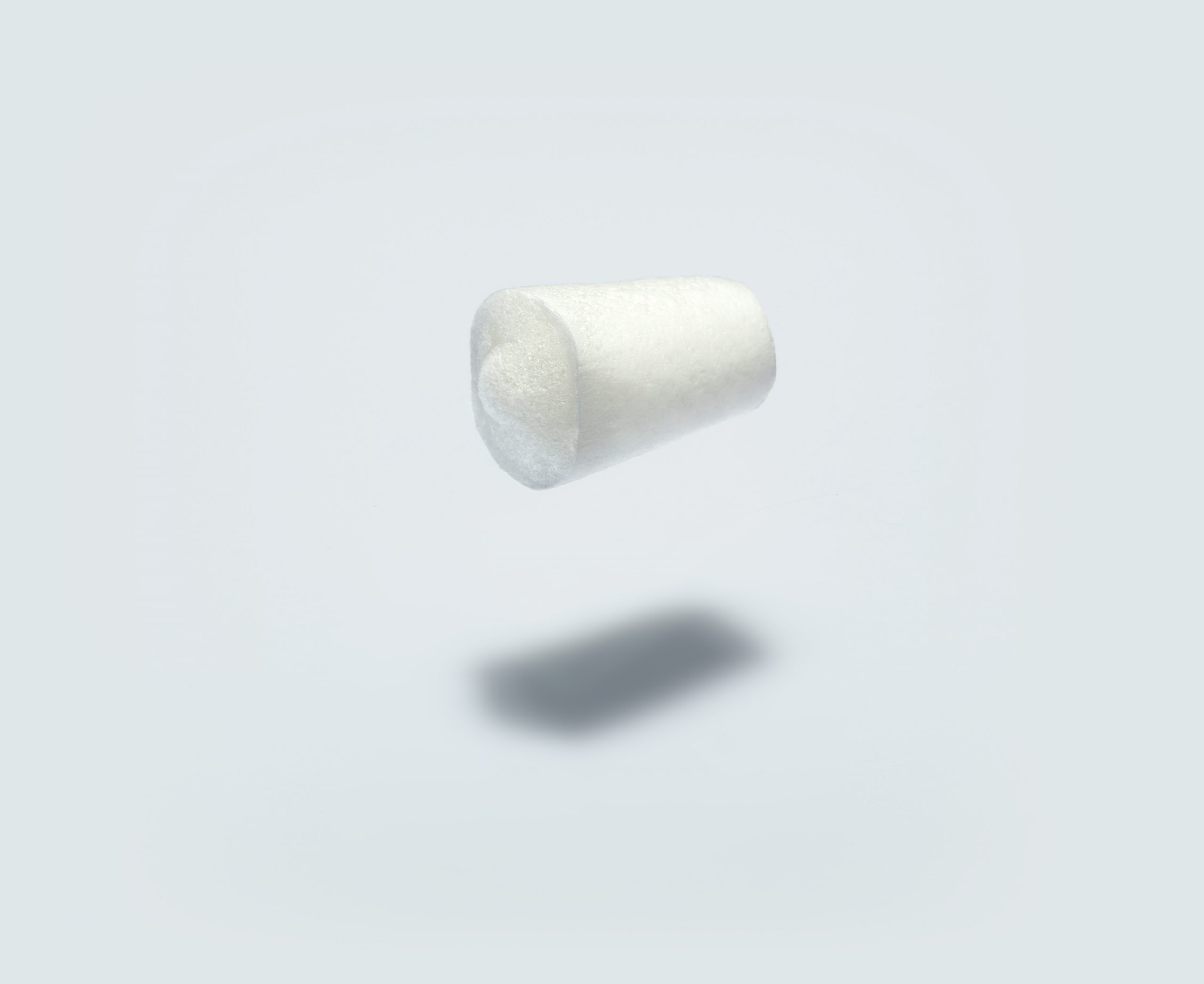
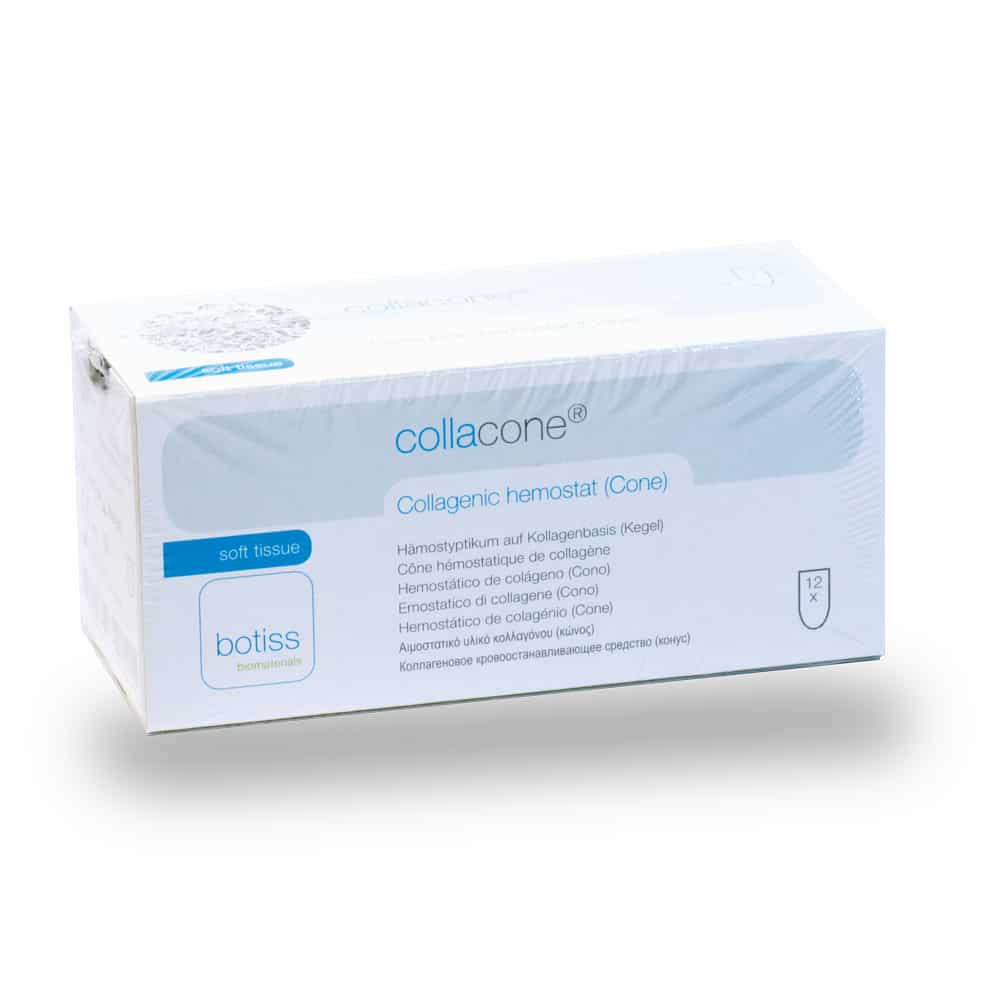
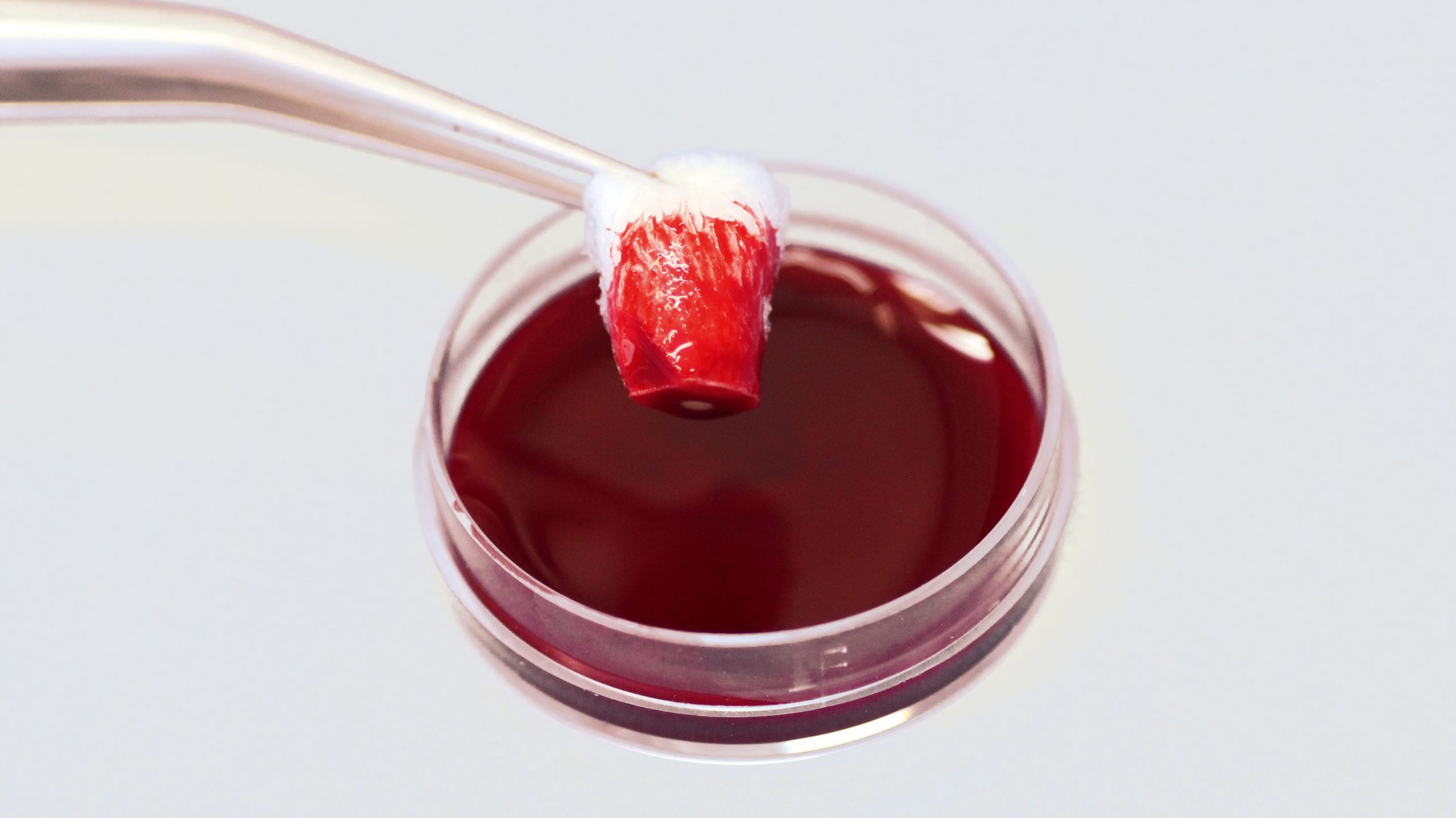
collacone® is a wet-stable and moldable cone made of natural collagen. It was specifically developed and designed for application in fresh extraction sockets, to support the natural healing of the socket. The application of collacone® into the socket supports the stabilization of the formed blood coagulum and helps to control bleeding, while its form-fitted cone shape protects the wound area from food and bacteria. collacone® resorbs completely within about 2-4 weeks
NATURAL COLLAGEN
STABILIZATION OF BLOOD CLOT
CONTROLLED WOUND HEALING PROCESS
Properties & Advantages
Indications
Privacy Policy
Safe and Natural Product
collacone® is produced of porcine dermis by a standardized, controlled purification process. The dermis is carefully cleaned by several wet-chemical purification steps, lyophilized and sterilized by gamma irradiation. The unique production process guarantees a safe end-product, free from cells and chemical residues.
Collagen is a highly versatile material that, due to its low immunogenicity and superior biocompatibility and that of the degraded end-products, is widely employed in biomedical and pharmacological applications 6. The natural hemostatic function of the collagen together with its complete degradation make collacone® an ideal product to apply in fresh extraction sockets, to cover wounds, helping control the bleeding and stabilizing the wound.
Natural Hemostatic Function of Collagen
Damage to the blood vessel wall leads to subendothelial collagen release. The collagen directly or indirectly interacts with the surface receptors on thrombocytes. The binding of collagen initiates a reaction cascade leading to transformation and aggregation of the thrombocytes. Additionally, the thrombocytes are cross-linked by fibrinogen. The resulting (white) thrombus initially stabilizes the wound. Accordingly, collagen sponges support the formation of a blood coagulum and contribute to a rapid stabilization of the wound area. Due to their hemostatic effect, collagen sponges and cones can be used for stabilization of biopsy harvesting sites or covering of minor oral wounds and extraction sockets, respectively.
Prevention of Bleeding in Hemostatic Compromised Patients
Medication with anticoagulant drugs (i.e. heparin or warfarin) poses a higher risk for patients of bleeding following tooth extraction. Local hemostatic agents like collagen fleeces can prevent postoperative bleeding without the need to pause the anticoagulant therapy. A retrospective study with 200 anticoagulated patients showed a very low rate of bleedings following application of collacone® in fresh extraction sockets
Protection of the Socket and Blood Clot
The form-fitted cone shape of collacone® protects the wound area from entry of food and bacteria. Furthermore, the spongy collagen structure of the cone encourages coagulum formation and provides an ideal structure for the adhesion of thrombocytes, fibroblasts and osteoblasts. Fine blood vessels grow into and through the cone, connecting it to the surrounding tissue. Consequently, the preliminary tissue formed in the alveolus is supplied with oxygen and nutrients and important signaling molecules supporting its bony regeneration.
Application of Collacone®
Generally, dry application of collacone® is recommended, because soaking or moistening prior to implantation may impair its hemostatic properties. At the defect site, the spongy cone rapidly soaks up blood. The collacone® maintains integrity in the presence of blood and during application.
Rapid Uptake of Blood and Liquids
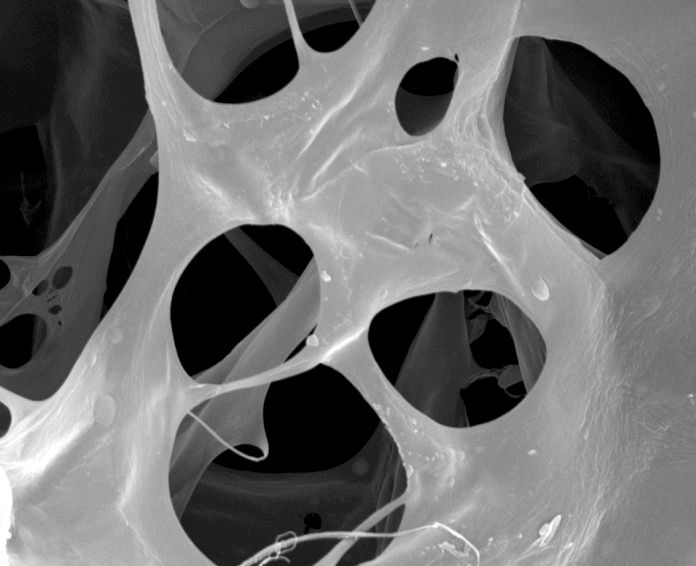
Due to its hydrophilic properties and highly porous structure, collacone® quickly absorbs blood. High resolution pictures show the spongy structure fiber network of collacone®.
Early Implantation
According to the early implantation procedure, the implant is placed after tooth extraction, before the bony regeneration takes place within the socket. Typically, an early implantation is performed about 4-8 weeks after tooth extraction; at this point, the healing of the soft tissue is completed and potential inflammations have disappeared. The natural healing of the socket may be supported by applying collacone® into the socket to support the stabilization of the formed blood coagulum and protect the wound area from food and bacteria. Although the bone volume is usually adequate after 4-8 weeks (since the resorption of the alveolar bone has not yet started), any existing bony defect of the alveolus may be treated at the moment of implantation.
NOVAMag® membrane
Resorbable Magnesium Membrane
Jason® membrane
Native Pericardium GRB/GTR Membrane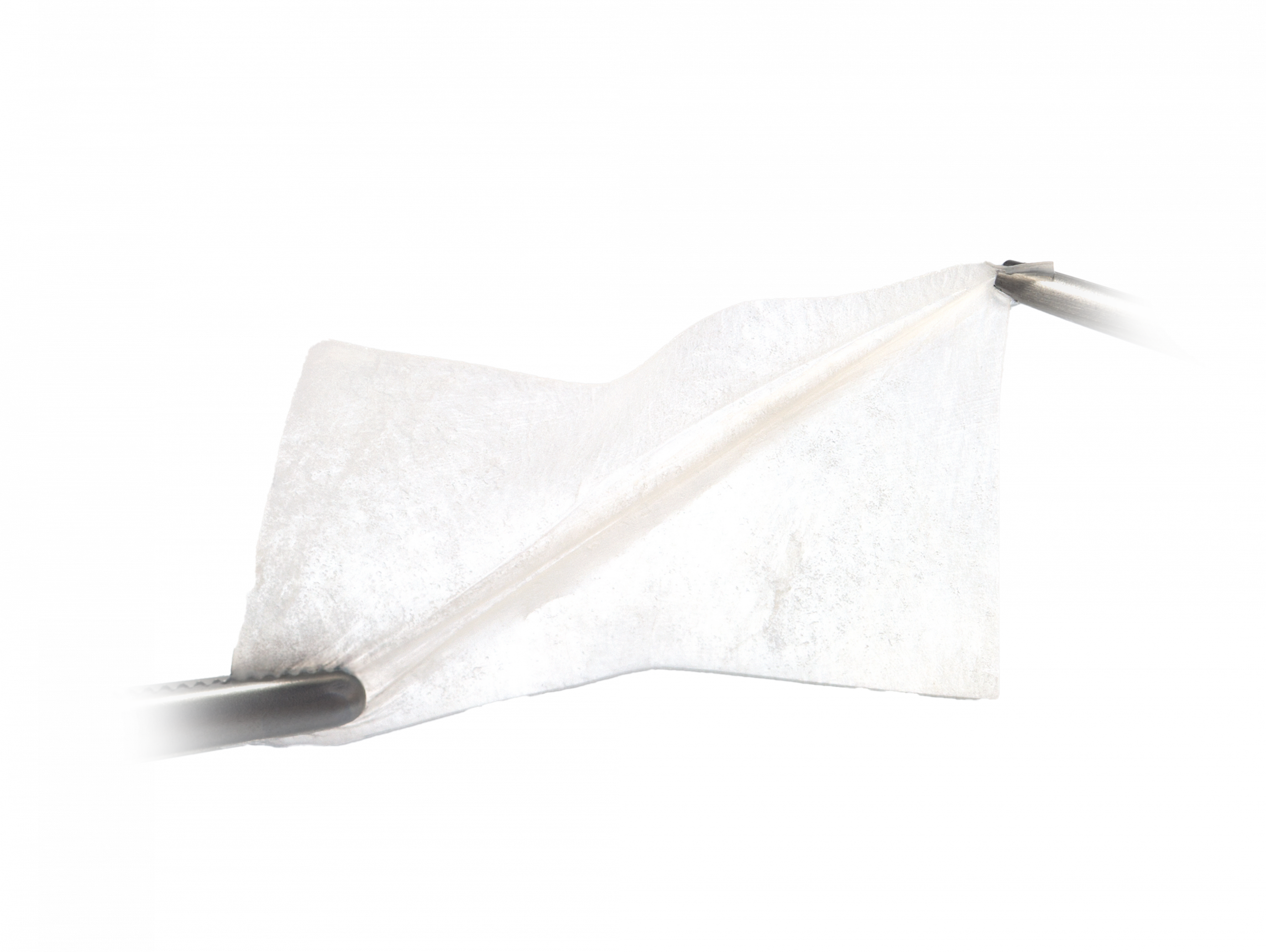
maxgraft® granules
Processed Human Allograft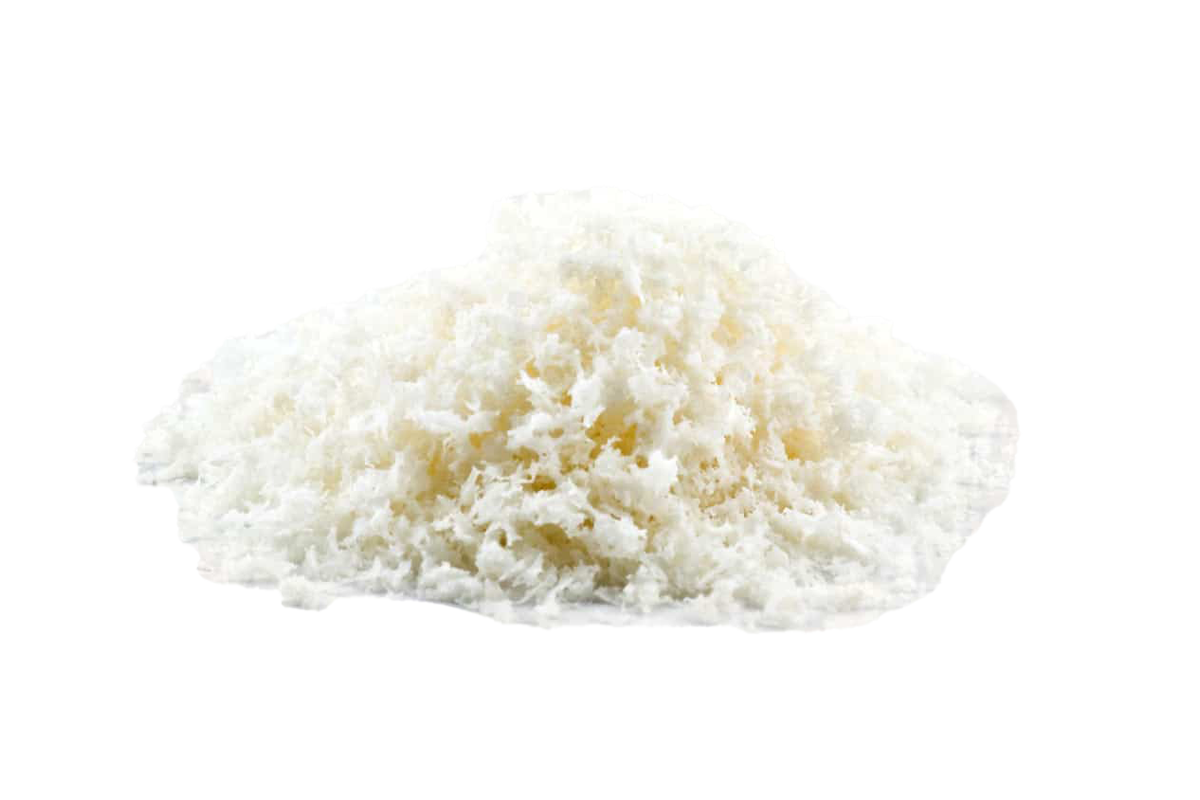
maxgraft® blocks
Processed Human Allograft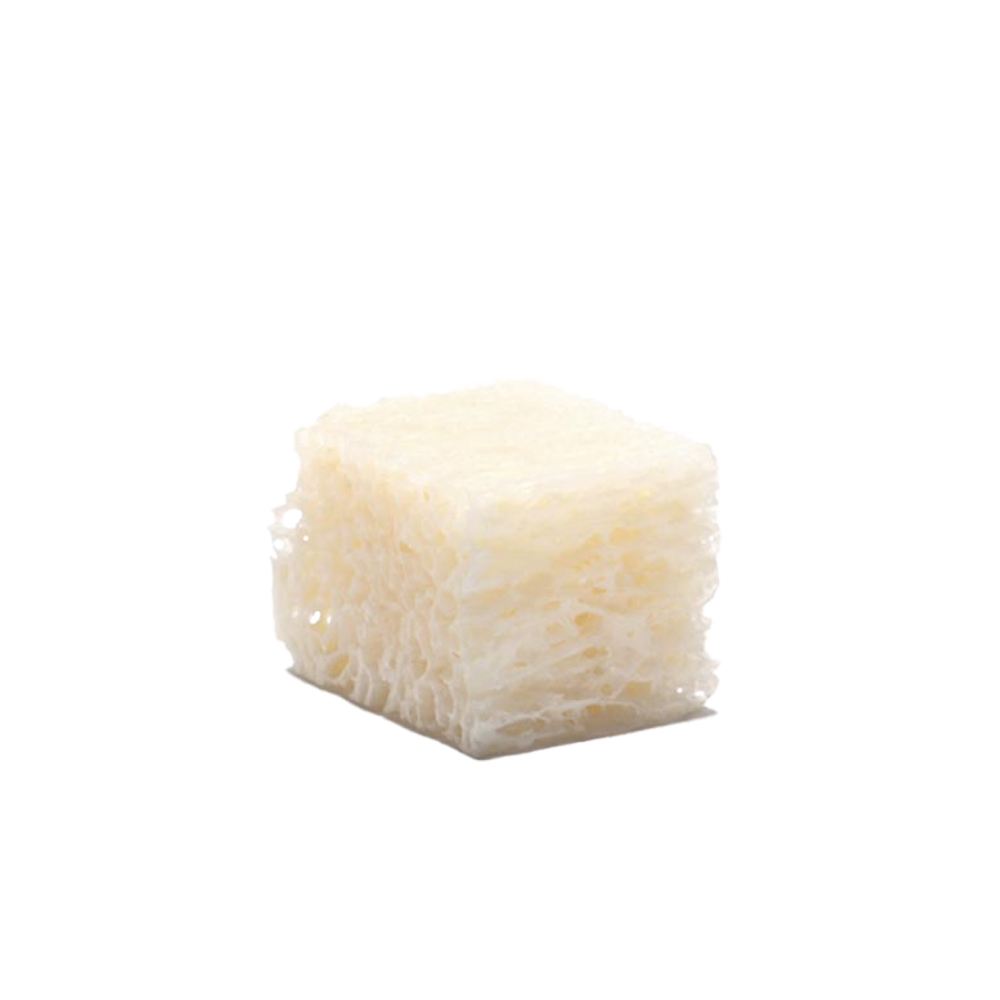
maxgraft® cortico
Bone augmentation with the shell technique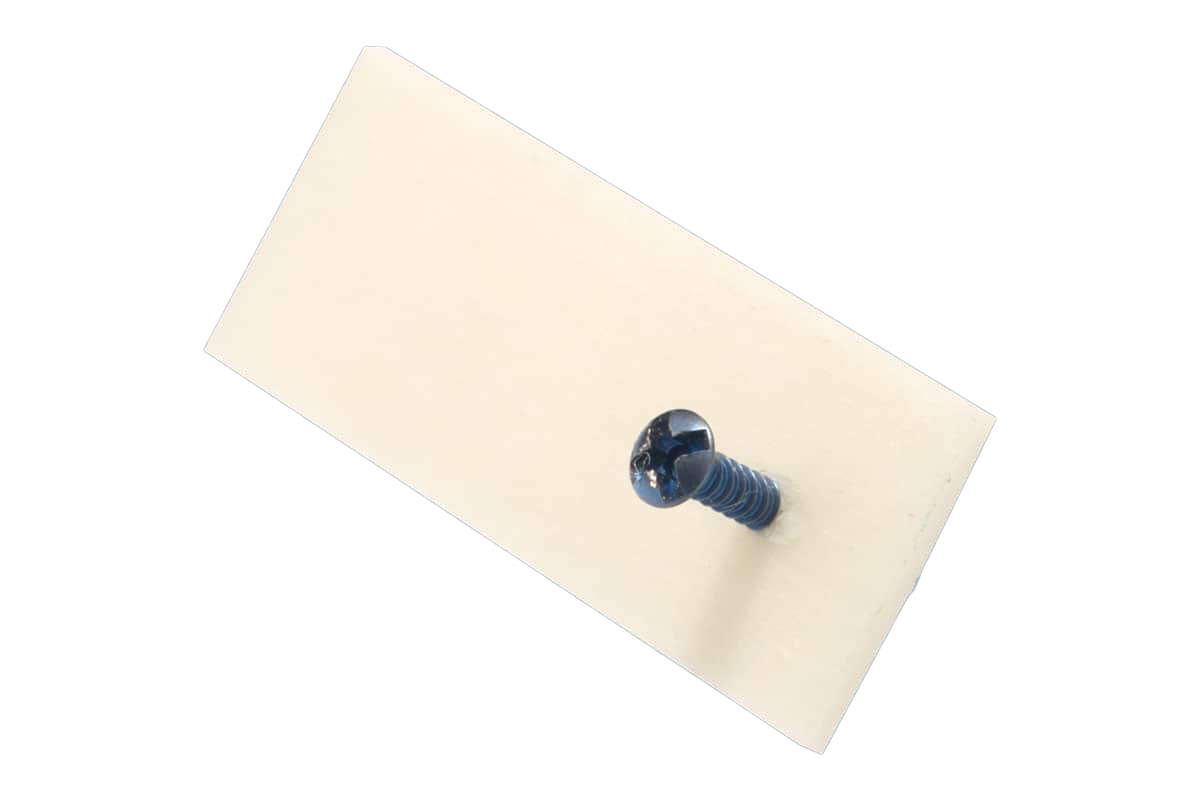
maxgraft® bonebuilder
Customized Allogenic bone block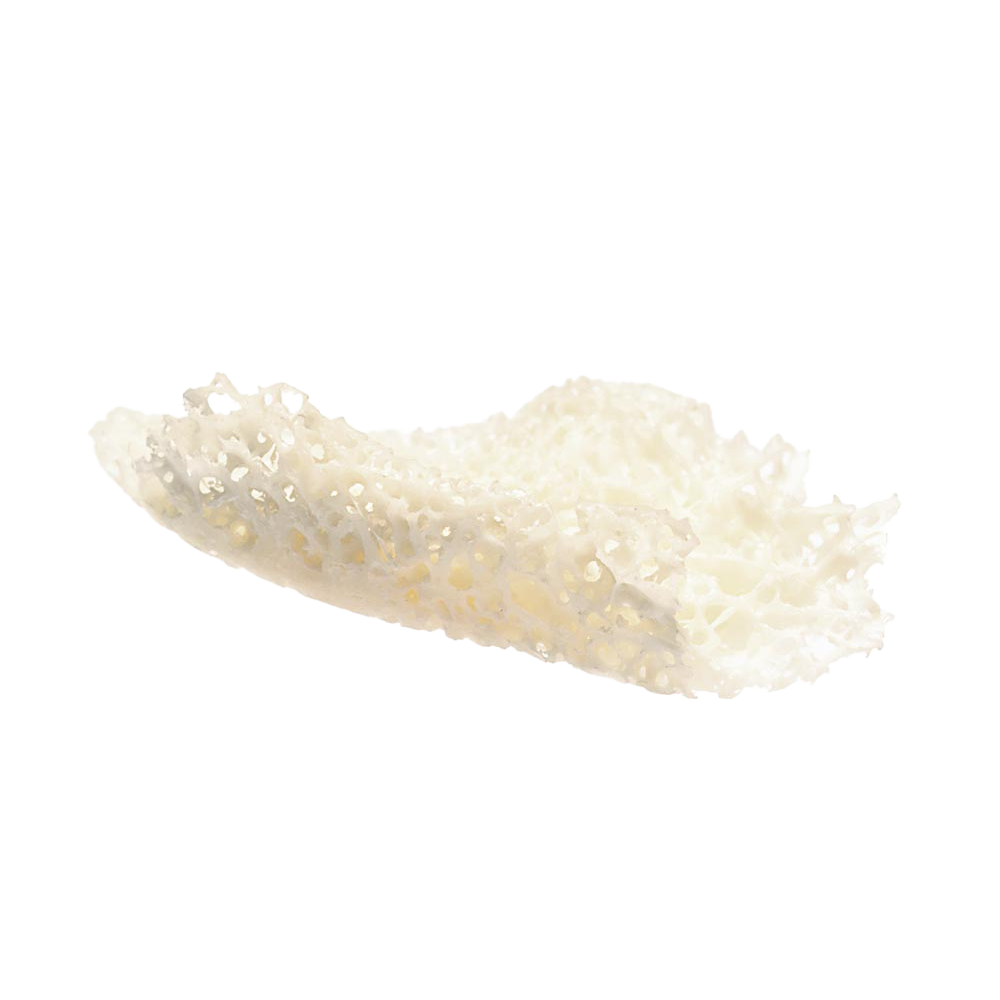
NOVAMag® fixation screw
Resorbable magnesium screws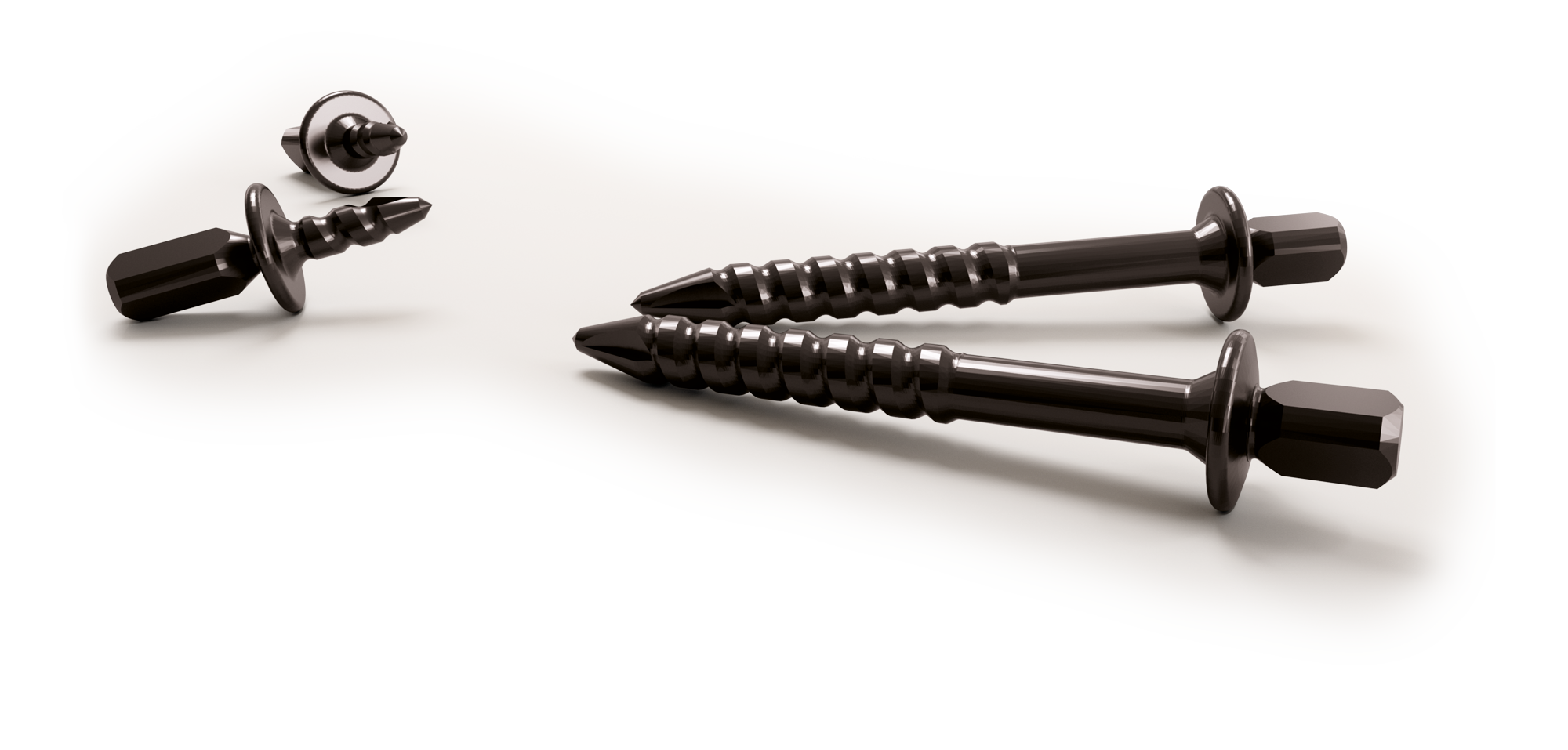
mucoderm®
Acellular dermal collagen matrix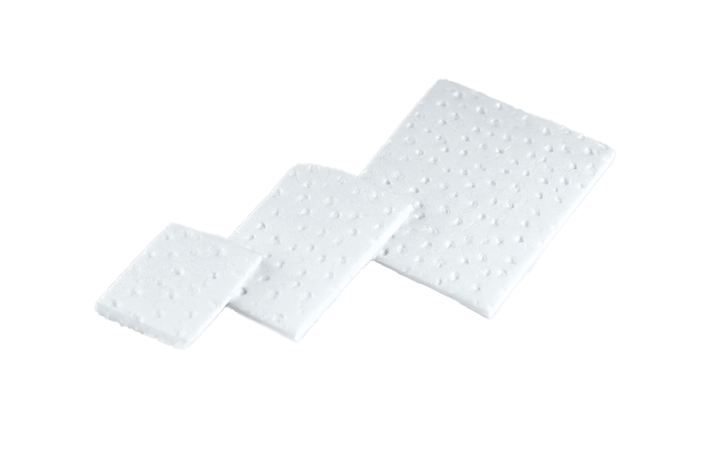
collafleece®
Resorbable collagen for wound management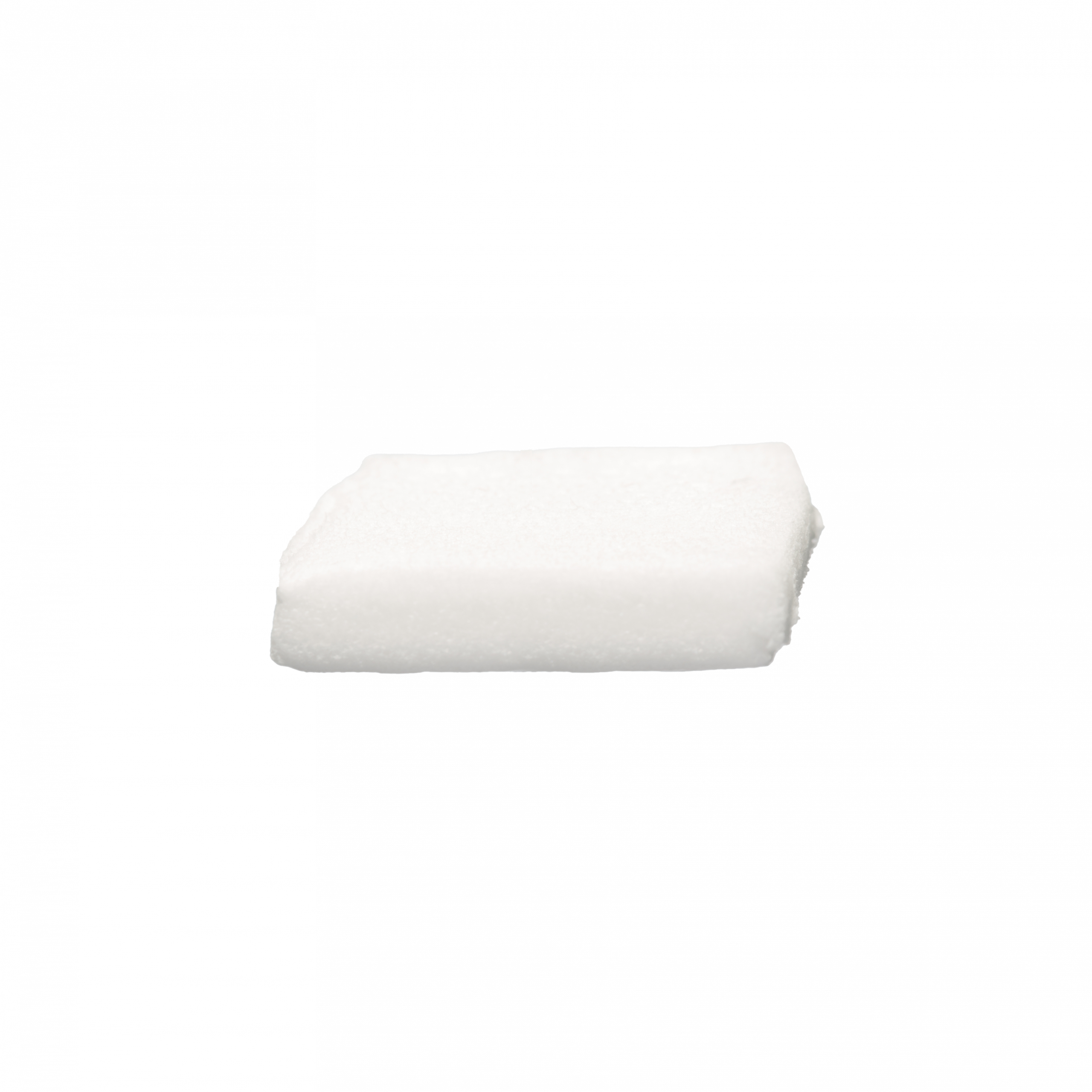
collacone®
High-Density PTFE Barrier Membrane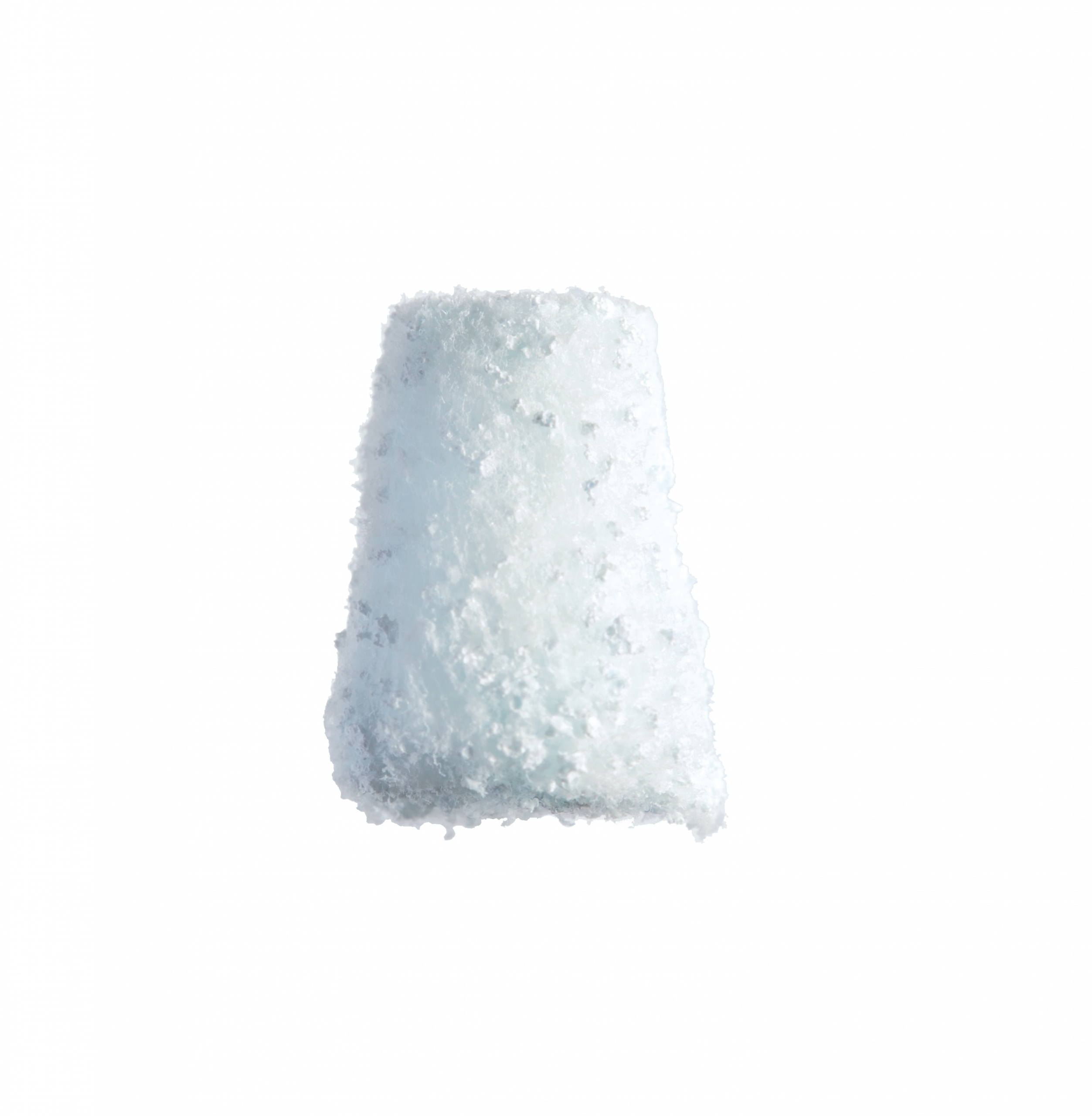
permamem®
High-Density PTFE Barrier Membrane
collprotect® membrane
Native Collagen Membrane
titan pin set
For membrane fixation
maxresorb®
Innovative Biphasic Calcium Phosphate
cerabone®
Natural Bovine Bone
cerabone® plus
Substitute Material with Hyaluronate
https://botiss.com/product/novamag-shield/
Resorbable Magnesium Shield